

From battery energy storage to workforce development, a future engineer outlines what’s needed to scale a resilient, interoperable grid.

NYPA’s AGILe joins DOE’s grid test bed inventory, expanding national access to system-level grid testing and digital twin capabilities.

RICS data shows planning delays, labor shortages, and cost pressures reshaping how—and how fast—green building projects can move forward.

Restoring low-yield peatlands may deliver climate benefits within decades. New research challenges old assumptions on emissions, land use, and restoration timelines.

A new DOE-backed partnership between South Dakota Mines and Idaho National Laboratory is using AI and waste heat recovery to reduce the energy demands of biomass drying.

Procurement risk is increasingly shaped by energy availability, infrastructure capacity, and permitting timelines—before supplier decisions are even made.

New York has begun construction on a $1.7 billion Wadsworth Center laboratory, consolidating public health testing infrastructure to strengthen long-term preparedness and resilience.

Sappi’s CDP Forests A score highlights how credible sustainability data is increasingly used to support procurement, investment, and regulatory decisions.

What begins as supplier sustainability reporting is increasingly becoming contractually binding, with implications for procurement risk and supplier governance.
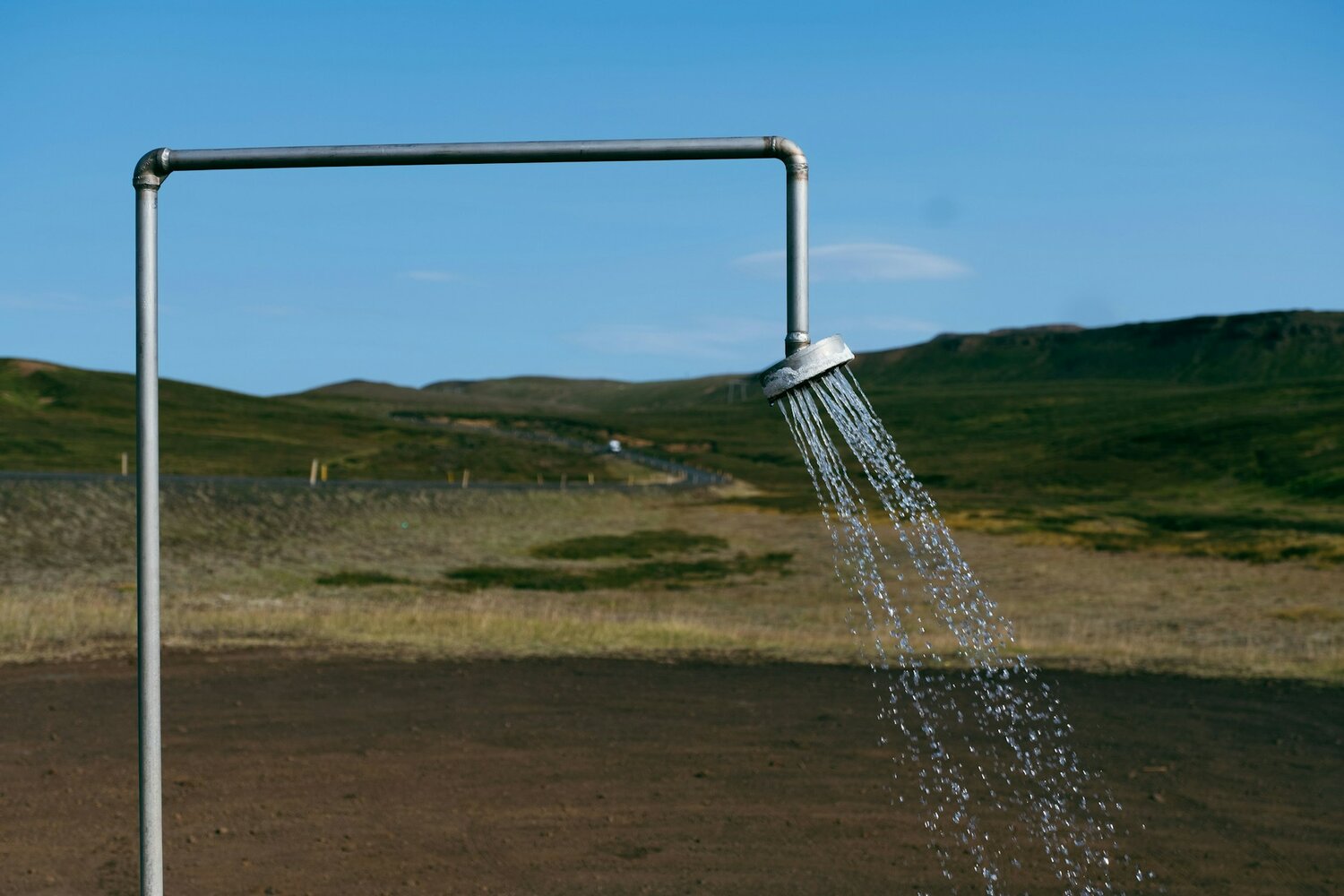
Water is now a strategic risk, not just a utility. A new index from Ecolab and CDP offers companies a way to measure and manage water use with real benchmarks.

Plastic pallets are seeing wider adoption as logistics teams prioritize durability, hygiene, and automation compatibility amid tightening supply chain conditions.

In early 2026, procurement risk is increasingly shaped by supplier accountability, data demands, and contractual exposure—forcing a shift in how sourcing decisions are evaluated.

As compliance pressure intensifies in early 2026, risk is moving beyond internal systems and into supplier relationships.

Embedding decontamination into modular pharmaceutical facilities from the outset.

Emergency orders are no longer rare responses. As infrastructure strain persists, temporary measures are becoming operational norms—with implications for planning and risk.

Scope 3 reporting is no longer just transparency. Verification and cross-border requirements are transforming disclosures into compliance exposure.

Misaligned environmental and sustainability reporting is becoming an early enforcement signal under U.S. environmental law.

Research highlights how indoor air risks tied to human activity often bypass formal regulation, leaving organizations to manage exposure internally.

State bills like Virginia’s HB 277 streamline wireless infrastructure approvals—but omit health concerns. Here’s why federal law keeps RF exposure out of state legislation.

The Building Engineering Services Association has suspended five members for failing competence audits, signaling tougher enforcement aligned with the UK Building Safety Act.