

RICS data shows planning delays, labor shortages, and cost pressures reshaping how—and how fast—green building projects can move forward.

Mainland China, India, and Canada emerged as the top three markets for LEED certification outside the United States in 2025.

TeraWulf’s Kentucky and Maryland acquisitions add 1.5 GW of capacity, reflecting how power availability and grid integration are reshaping data infrastructure development.

Rising electricity demand and grid constraints are forcing planners to re-center firm power in reliability strategies as flexibility and efficiency alone prove insufficient.

Short drone videos and wave analysis now enable fast, affordable current tracking. This new method skips radar and buoys—just video, math, and real-time insight.

IRENA’s latest renewable energy jobs report shows employment growth lagging capacity additions, driven by automation, grid constraints, and changing skill needs.

A new DOE-backed partnership between South Dakota Mines and Idaho National Laboratory is using AI and waste heat recovery to reduce the energy demands of biomass drying.

When expected generation fails to materialize during periods of rapid demand growth, costs and reliability degrade quickly — and the effects cascade across wholesale and retail markets.

AI and advanced data workloads are driving non-linear energy demand, exposing gaps between digital growth and energy capacity.

Noon Energy's 100-hour battery hits a key milestone for clean power. The system tackles renewable gaps and rising energy loads from data centers and AI.

A newly introduced Hawaii bill would tie insurance licensure to climate risk alignment, expanding regulatory oversight into underwriting and investment practices.
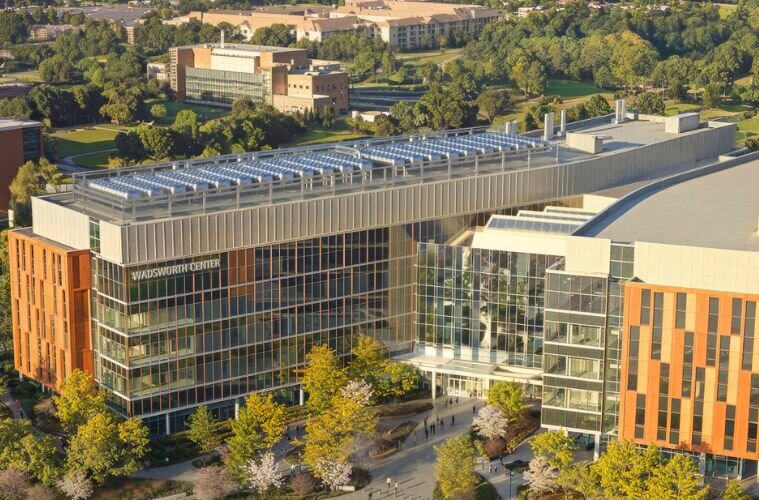
New York has begun construction on a $1.7 billion Wadsworth Center laboratory, consolidating public health testing infrastructure to strengthen long-term preparedness and resilience.

Pacifico Energy’s GW Ranch project secured a 7.65 GW air permit in Texas, highlighting how private-grid power campuses are reshaping energy supply for hyperscale AI data centers.

Sappi’s CDP Forests A score highlights how credible sustainability data is increasingly used to support procurement, investment, and regulatory decisions.

Solar deployment in the U.S. is increasingly shaped by financing decisions. This Industry Voice article outlines the key assumptions that most influence investor returns, PPA pricing, and project viability.

Pepper Construction turned a vacant 1912 factory into a net-zero HQ. The project proves deep energy retrofits can work—even in aging industrial buildings.

Once abandoned, Seattle’s Metropole Building now runs at ultra-low energy use. Its revival shows how cities can cut carbon without erasing their past.

At Davos, climate risk discussions moved from reporting frameworks to operational reality, raising new expectations for how documented risks are managed.

Mining waste may hold the key to securing critical minerals. Here’s how circular recovery is reshaping supply chains and reducing risk.

Bills on appeals efficiency, utility assistance, and waste-to-energy facilities show how Washington’s energy policies are translating into new execution and compliance challenges.