

Federal and state environmental compliance obligations are converging on 2026 and 2027 deadlines. What C-suite and legal leaders need to understand about the compounded exposure.

The federal BFPP defense protects brownfields buyers from CERCLA liability, but state programs differ significantly. What EHS and legal teams need to understand before acquisition.

Organizations that haven't conducted a systematic PFAS exposure assessment are making that decision by default, and the cost of finding out later is rising.

Researchers test a vibration based method to scale graphene production with lower energy use. Soon results show faster output and less environmental trade offs.

Crab shell waste may help control how bioplastics degrade in seawater. The approach could improve durability while supporting circular material use.

Researchers are building electronic materials atom by atom. The approach embeds performance at design stage, not after fabrication.

EU restrictions and supply chain pressure are pushing labs to replace Triton X-100, turning green chemistry into a procurement and compliance priority.
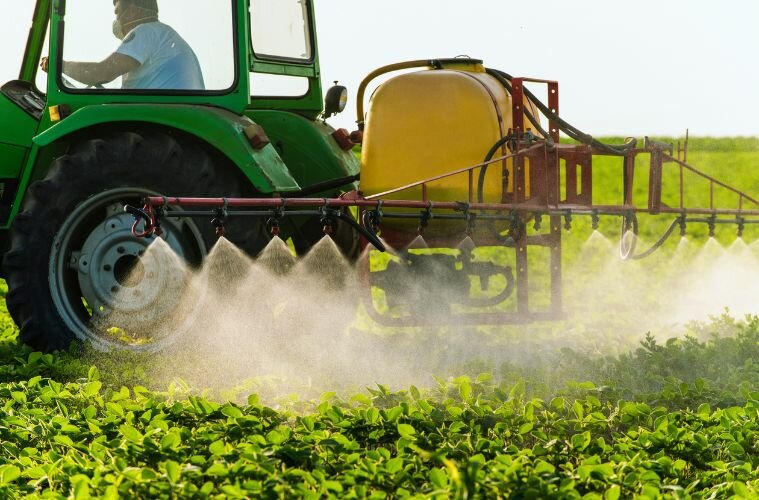
EPA finalized new pesticide limits today, but a January 2026 analysis of 700 tolerance decisions found the agency applies its child safety factor only 15% of the time.

Heat-tolerant enzymes are moving closer to industrial use. New structural insights show how proteins can stay stable and active in extreme conditions.

Texas AG Ken Paxton has issued a civil investigative demand to Lululemon over PFAS in its apparel, signaling broader enforcement pressure on consumer brand supply chains.

Ventura County is testing a scalable regenerative agriculture model. Early results show farm adoption rising with coordinated funding and support.

Protein-based bioinsecticides are moving closer to field use. Early research highlights their role in tackling resistance and meeting tighter rules.

A Japanese biomaterials firm is extending plant-based inputs into consumer goods, using nail cosmetics as an early test case for broader material substitution.

Texas is suing Shein for toxic chemicals in products and data practices that may expose users to the Chinese government. Here's what companies AND consumers need to know.

Permit timelines are stretching. Usage caps are being introduced. The regions that were supposed to make the next decade of growth easier are getting more complicated.

Green hydrogen’s future depends on precision as much as scale. New monitoring tools are helping stabilize electrolyzer performance in harsh conditions.

DuPont’s spinoff of Chemours shifted PFAS-related liabilities—but evolving science and stricter regulations revealed the limits of a clean break.

EPA’s draft CCL 6 adds PFAS, microplastics, and pharmaceuticals to its drinking water watchlist, signaling future regulatory priorities.

Canada has approved a chlorine-free water treatment system. The move highlights growing pressure on utilities to cut by-products.

New research finds lead in some children’s clothing fabrics. The findings raise fresh concerns for fast fashion supply chains and product safety.