

Major brands are tied to midstream suppliers sourcing from Xinjiang, raising due diligence concerns under UFLPA and global forced labor laws.

Alberta funds 18 projects through the TIER program to grow the circular economy, cut emissions, and create nearly 1,600 jobs by 2027.

Howard Energy Partners' 2024 report details $1.1B in acquisitions, reduced emissions, and new low-carbon projects under its "More Energy. Carbon Better." strategy.

A new study finds high levels of PFAS in reusable menstrual products, raising concerns about consumer safety and environmental impacts from polymer degradation.

The EPA is eliminating its research office and 3,700 staff in a move critics say undermines science, innovation, and environmental justice.

CF Industries begins CO₂ sequestration at Donaldsonville Complex, producing 1.9M tons of low-carbon ammonia with ExxonMobil and 45Q tax credits.

ABTC will use DOE funding to advance lithium hydroxide tech with Argonne's APS and Aurora supercomputer, reducing chemical use in critical mineral production.

Water utilities across the U.S. are finally receiving nearly $1B from PFAS settlements with 3M and DuPont, shifting cleanup costs off local communities.

EPA adds J.H. Baxter site in Oregon to the Superfund list, setting in motion a multi-year cleanup effort.

PFAS chemicals detected in 98% of tested sites across 19 states. New study raises red flags for wastewater operators, farmers, and regulators.

Baxter invested 2.5 million labor hours to restore its North Cove plant, a key U.S. medical supply hub, after hurricane damage.

Gov. DeSantis vetoes HB 295, halting plans for a statewide recycling strategy and emphasizing private-sector waste innovation over state mandates.
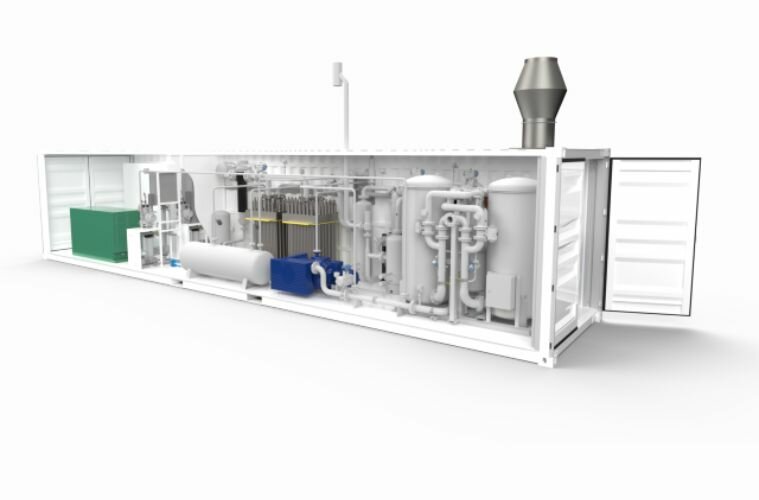
HYScale is redefining green hydrogen production with a PFAS-free, CRM-free electrolyzer stack designed for industrial scale, offering $428/kW CAPEX and high efficiency.

As Michigan launches a state-level tax credit program for Sustainable Aviation Fuel, U.S. producers expand output—even as federal policy under the Trump administration sends mixed signals.

As industrial decarbonization accelerates, a new wave of compact, low-energy carbon capture systems like Nuada’s is reshaping the future of emissions reduction across cement, waste-to-energy, and biomass sectors.
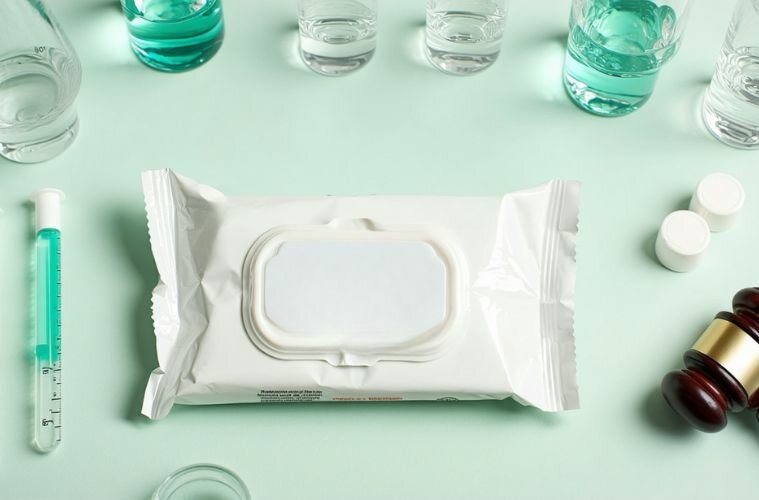
A federal judge allows PFAS class action against Costco baby wipes to proceed, citing specific chemical evidence and deceptive marketing claims.
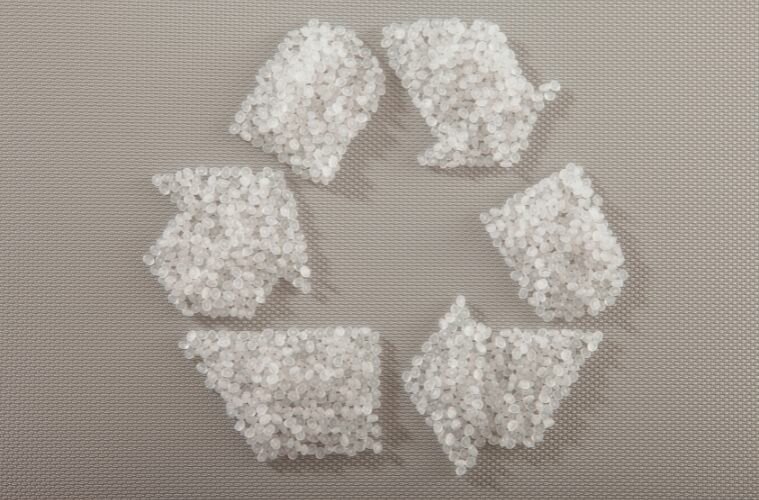
PureCycle aims to install 1B pounds of polypropylene recycling capacity by 2030, backed by new capital and global infrastructure partnerships.
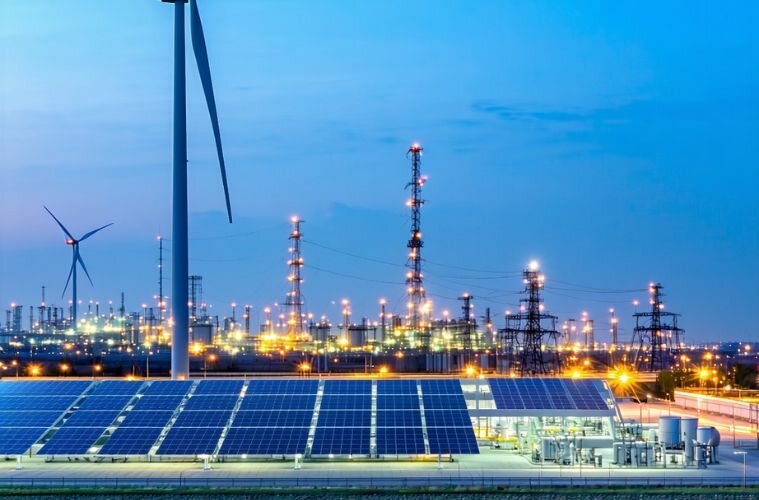
Louisiana forms a new energy task force to explore industrial self-generation, microgrids, and streamlined permitting to strengthen grid resilience and growth.
Dover Chemical’s latest sustainability report shows strong product innovation and waste reduction but reveals setbacks in emissions and workplace safety.

Beginning January 1, 2026, Illinois will prohibit the sale of cookware, cosmetics, and more with intentionally added PFAS, under expanded amendments to the PFAS Reduction Act.