

Arkansas has paused state penalties on dyed diesel in qualifying farm and timber vehicles through October 30, but federal tax and IRS penalties still apply.

Canada is funding three projects addressing phosphorus pollution, algal blooms, and landslide recovery in a basin that generates nearly 10% of its GDP.

Finland’s forestry drainage has dried up much of the landscape. A 60-year study finds beavers can restore wetter habitats and support targeted recovery efforts.

Kimberly-Clark is testing hesperaloe as a potential tissue fiber. The move could reduce wood-pulp use while adding a new option to its supply chain at scale.

RMS traded 57,000 Southern acres for 36,000 in Washington in a like-kind exchange with Rayonier, gaining Douglas-fir exposure and Port of Longview access.

The Center for Rural Affairs is suing the United States after EPA terminated its $62.45 million Solar for All grant following a repeal of IRA funding.

Ireland could owe up to $30 billion (€26 billion) by 2030 for missing EU climate targets, new fiscal modeling shows, with costs rising after 2030.

Costa Rica's experience illustrates what happens when environmental protection is treated as an economic design problem rather than a compliance obligation

Connecticut DEEP opened two urban and community forestry grant programs totaling $1.23 million, with August 2026 application deadlines and a note that future federal funding is not expected soon.
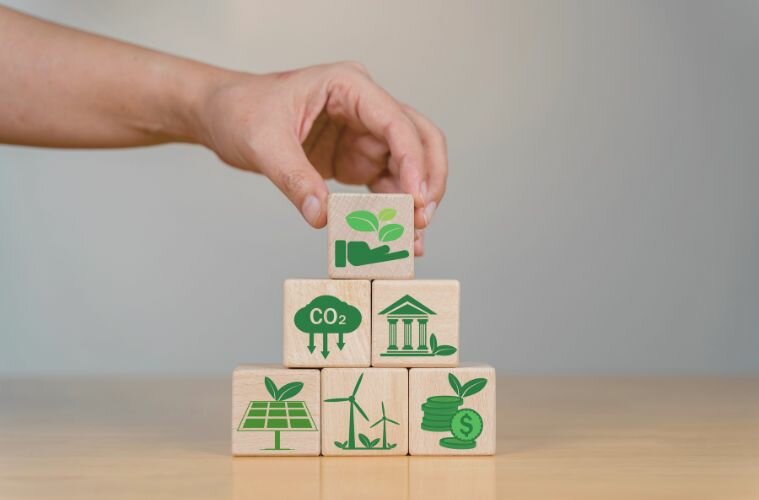
Research finds most carbon offset programs fail to deliver real emissions reductions. As net-zero strategies depend on offsets, the credibility of those claims faces widening scrutiny.

The voluntary carbon market has a credibility problem that is no longer contained to specialized environmental circles.

The GHG Protocol's Land Sector and Removals Standard takes effect January 2027. Its carbon opportunity cost methodology could significantly alter how biomass emissions are reported.

A Louisiana project is turning wood waste into steady electricity. By pairing biomass with carbon capture, it aims to remove more carbon than it emits.

Deforestation is no longer just about palm oil and beef. Staple crops like rice and maize are driving a larger, more complex share of global forest loss.

Biochar is emerging as a practical carbon removal solution. Projects like Bolivia’s are turning waste into verified credits and real climate impact.

The Coeur d’Alene Tribe and Idaho have reached a settlement ending decades of litigation and locking in water access certainty for cities, farms, and industrial operators.

From supply-chain security to employee safety, nature-based solutions are shifting from CSR to core strategy. Explore how companies are leveraging science-driven conservation partnerships to manage risk and safeguard business continuity.

Restoring low-yield peatlands may deliver climate benefits within decades. New research challenges old assumptions on emissions, land use, and restoration timelines.

A new DOE-backed partnership between South Dakota Mines and Idaho National Laboratory is using AI and waste heat recovery to reduce the energy demands of biomass drying.

A new UC Riverside facility converts ag and forest waste into dissolving pulp using cleaner chemistry. The CELF process cuts energy use and toxic byproducts.