

A review of more than 100 landfill studies finds the highest pollutant readings are not always the most hazardous, a gap that can misdirect cleanup spending.

C-PACE volume jumped 63% in 2025 as owners used property assessments to fund efficiency and resilience work that cannot win a slot in tight capital budgets.

CFO survey data shows growth capex is the first cut when uncertainty rises, leaving compliance projects framed as upgrades exposed in 2027 budget freezes.

EPA pushed stricter refrigerant limits for new supermarket and cold-storage systems to 2032, yet interim caps, California rules and the HFC phasedown remain.

EPA is nearing a PFAS discharge rule for chemical makers while pushing its metal-finishing PFAS rule to February 2027, and platers should track both.

EPA lowered Butte's residential lead cleanup level from 1,200 to 456 ppm, and thousands of previously cleared properties are getting a second look.

A Brown University study finds veterans 20 to 39 carry higher PFAS levels than civilians the same age, exposing a gap in the VA's testing policy.

North Carolina's $455 million PFAS settlement adds a $135 million reserve to protect cleanup obligations that outlast the underlying lawsuit itself.

UT and MD Anderson researchers report early biological changes from microplastic exposure before visible tissue damage, as cancer research continues.

Illinois is adding PFAS sampling to wastewater permits, creating new visibility into contamination moving through effluent, influent, and biosolids.

Sweden opened a consultation on national PFAS rules for clothing, cosmetics and cookware starting 2028, ahead of a broader EU restriction still under review.

The largest federal investment in water infrastructure in decades is winding down as demand stays high and future funding faces proposed cuts now.

EPA's latest scorecard emphasizes permitting, cleanup, infrastructure, and regulatory actions over new climate initiatives, signaling shifted priorities.

PFAS restrictions are pushing manufacturers to rethink coatings. Femtosecond lasers could offer a chemical-free way to engineer water-repellent surfaces.

North Carolina approved $244 million for water projects after receiving $1.6 billion in requests, showing the gap between infrastructure needs and funding.

The Ninth Circuit sent EPA's 2024 decaBDE rule back for rework, ruling the agency didn't justify skipping recycling, disposal, and wastewater limits.
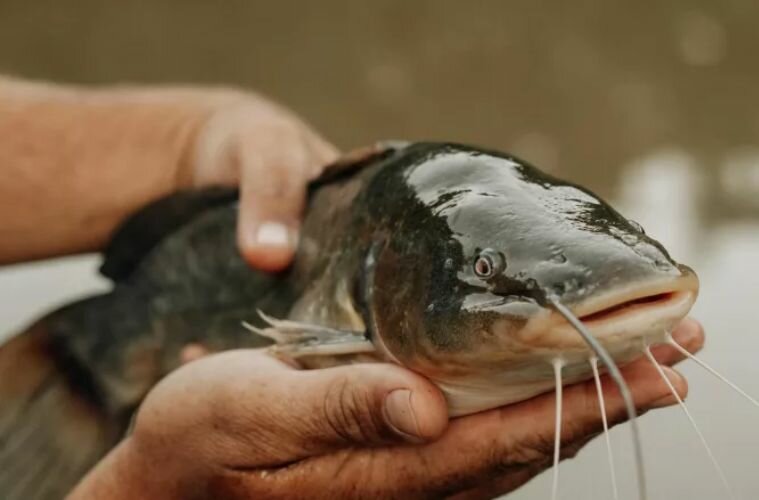
Monitoring data submitted to EPA detected PFNA and PFHxS in catfish tissue as the agency weighs rescinding federal determinations for both compounds.
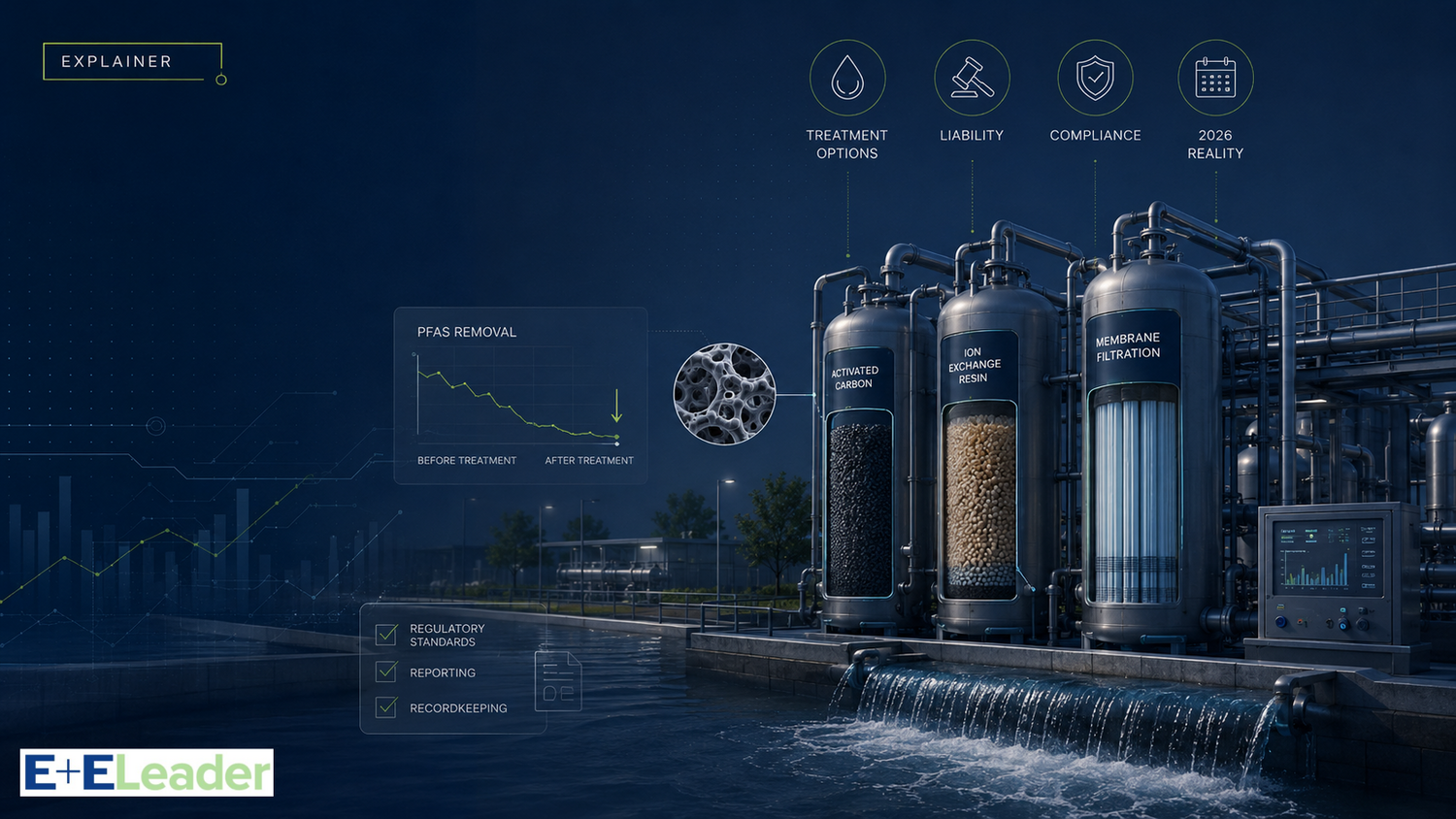
PFAS contamination is now a regulated, litigated, and expensive problem for water systems, wastewater utilities, landfills, manufacturers, and property owners alike. Here’s what makes these chemicals different, where liability comes from, what drives remediation cost, and which treatment technologies work — and which claims deserve skepticism.

Curtailment orders, discharge limits, and insurance exposure are the water liabilities confronting industrial operations already built and operating in stressed basins.

Environmental self-disclosure has evolved from a compliance checkbox into a strategic risk-management tool that shapes deal valuation, indemnity structures, and transaction certainty. Here's how EPA, DOJ, and state audit policies factor into M&A decision-making.