

Nature is shifting from ESG add-on to financial risk factor. Investors are starting to price ecosystems, resilience and climate exposure into long-term returns.

Water utilities face a wave of retirements and rising tech demands. A free online program is building a new talent pipeline for essential water careers.

A new assessment of Odisha’s power system shows how repeated cyclones expose infrastructure vulnerabilities, recovery limits, and the role of operational preparedness in resilience.

Maryland’s SB 688 would restrict how stream restoration projects count toward stormwater and pollution-reduction compliance.

Operations leaders face tighter tradeoffs, higher risk, and less flexibility as margin disappears.

From battery energy storage to workforce development, a future engineer outlines what’s needed to scale a resilient, interoperable grid.

Facilities teams are being pushed to meet modern performance demands with infrastructure designed for a different era.

A hydrogen air heater is now live at an industrial site in Offenbach. HYTING’s system tackles heat spikes without combustion or costly electric upgrades.

The construction industry is heading into 2026 with solid demand but real pressure. Firms that plan early and build resilient systems will stay competitive.

NYPA’s AGILe joins DOE’s grid test bed inventory, expanding national access to system-level grid testing and digital twin capabilities.

Utah’s SB 231 shows how states are using tax policy to manage large electricity loads as infrastructure strain intensifies.
PG&E is deploying SPAN Edge through its PanelBoost program to reduce the cost and complexity of residential electrification by avoiding traditional electric panel upgrades.

Building upgrades are moving faster than grid and water infrastructure can expand—creating a growing capital risk few models fully capture.
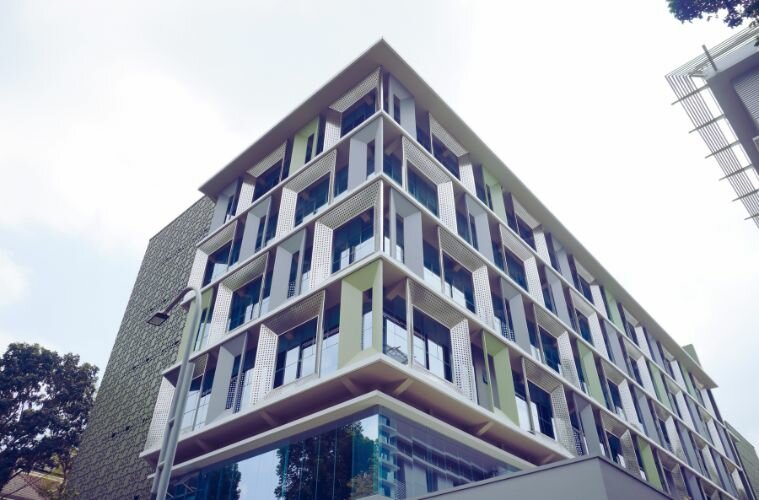
As buildings electrify and demand shifts, facilities teams are encountering infrastructure limits that were never designed to absorb today’s loads.

A new molten-salt reactor project aims to desalinate produced water while generating power. The Permian pilot could redefine industrial infrastructure.

Data centers are testing ways to shift and shape power use in real time. As AI ramps up, flexibility could become key to scaling without grid delays.

RICS data shows planning delays, labor shortages, and cost pressures reshaping how—and how fast—green building projects can move forward.

Mainland China, India, and Canada emerged as the top three markets for LEED certification outside the United States in 2025.

Energy availability and interconnection risk are forcing organizations to evaluate power feasibility earlier as execution timelines collide with infrastructure constraints.

Energy availability is reshaping project schedules, forcing organizations to reorder decisions and approvals earlier as execution timelines collide with power constraints.