

East Texas is pivoting from coal to geothermal energy and lithium. A modular Smackover project aims to boost domestic supply chains.

The EAGLES consortium and newcleo will jointly develop the LEANDREA lead-cooled fast reactor demonstrator in Belgium, targeting commercialization in the 2030s.

Aging systems, climate stress, and rising energy demand are exposing gaps in enterprise risk models built for isolated infrastructure failure.

New Allianz Risk Barometer findings highlight growing exposure to supply chain disruption, extreme weather, and cyber threats across the sector.

Rising energy price swings, load variability, and tighter reserve margins are pushing grid and industrial infrastructure closer to operational limits.

As federal PFAS standards enter implementation and Superfund liability expands, litigation exposure is broadening beyond manufacturers.

Under new EPR rules, coated paper packaging can cost more than plastic. A flawed recyclability definition may be sending brands the wrong signals.

A new method links satellite imagery to microplastic levels in the sea. It could give industries and regulators scalable, low-cost pollution tracking tools.
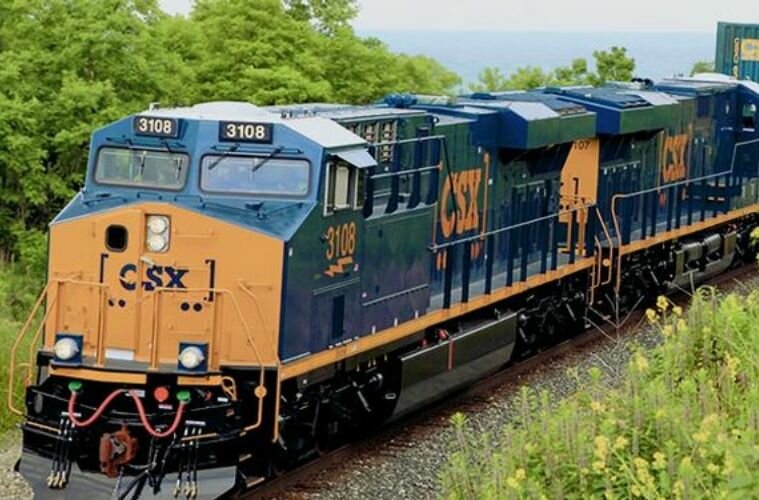
The $670M deal will upgrade locomotives with AC traction and digital systems to improve reliability, fuel efficiency, and rail network performance.

Preciball USA will invest $17.6 million in a new precision manufacturing facility in Screven County, Georgia, creating 65 jobs and expanding domestic production capacity.

Infrastructure systems face growing stress as recovery, redundancy, and execution demands exceed investment frameworks.

As aging systems converge, maintenance backlogs are creating capital risk, execution constraints, and valuation pressure.

A new hydrogen sensor improves accuracy in high humidity by using water vapor in its detection process. It’s a practical step forward for hydrogen safety.

Water is no longer just an infrastructure issue. A new national strategy frames water security as central to U.S. economic growth and competitiveness.

As U.S. electricity demand rises, Stryten Energy is highlighting domestically manufactured battery storage systems as a tool for grid resilience and demand management.

A building materials manufacturer was fined more than $800,000 after investigators found prior near misses were ignored before a life-changing injury at a production facility.

The invisibility of infrastructure stress creates a disconnect between operators and decision-makers.

Workforce safety is often treated as a compliance issue. This Industry Voices analysis examines how AI is redefining safety as a measurable sustainability lever across high-risk industries.

Rethinking mobile device lifecycles can reduce Scope 3 emissions. Why “impact per year of use” is emerging as a practical ESG metric for organizations.

Incident-free performance can hide growing infrastructure stress. Lagging risk indicators often mask degradation, shrinking margins, and rising exposure before failure occurs.