

A UK company is developing a new way to produce iron phosphate for LFP batteries. The process could help Western markets reduce reliance on Chinese supply.

AI data centers are driving a surge in U.S. electricity demand. Pumped storage hydropower is gaining attention as a long-duration solution for grid reliability.

The Coeur d’Alene Tribe and Idaho have reached a settlement ending decades of litigation and locking in water access certainty for cities, farms, and industrial operators.
A new coalition backed by Google, Tesla, and Carrier launches to improve U.S. grid utilization, arguing smarter use of existing infrastructure could save consumers more than $100 billion over the next decade.

TFA is the most abundant PFAS in the environment. Most labs aren’t detecting it. Two researchers explain why that’s a problem regulators can no longer ignore.

New refrigerant rules are live, HFC costs are rising, and cold chain emissions are absent from most decarbonization roadmaps.

If a compliance gap identified today will not be operationally resolved until 2028, how prepared are organizations for the regulatory timelines already approaching?

An op-ed examining why Europe’s EV incentives drive adoption through fleets, payroll, and tax policy, while U.S. EV subsidies focus on purchase credits.

L’Oréal is testing a new route to lower-carbon packaging. A partnership with Dioxycle aims to convert captured emissions into polyethylene.

AI data centers are scaling fast, and power is becoming the constraint. GridAI and Amp Z are planning a 5-gigawatt pipeline built around coordinated energy systems.

SNE Research projects the global fuel cell electric vehicle market will grow from 16,000 units in 2025 to 3.03 million by 2040, led by commercial trucks and buses.

BLM proposes to reinstate a terminated Earthstone Permian oil lease in Eddy County, NM, at a 20% royalty — above the IRA floor for federal onshore leases.

From Scope 3 confusion to fragmented data systems, emissions management is getting harder. This guide explains how sustainability teams are turning compliance data into strategic insight.

Europe’s first dual-use startup developing autonomous vehicles and systems for complex maritime operations.

New research from J. J. Keller finds 87% of EHS professionals now manage environmental responsibilities as the company launches new compliance management tools to help organizations track regulations, reporting, and risk.

The window is closing. The credits survived. Most companies still don’t have a process to claim them.

The mandate is real. The power to meet it isn’t — not yet, and not on the same schedule.

Aptera has produced its first vehicle on a validation assembly line. The milestone signals a shift from prototype builds to structured manufacturing.
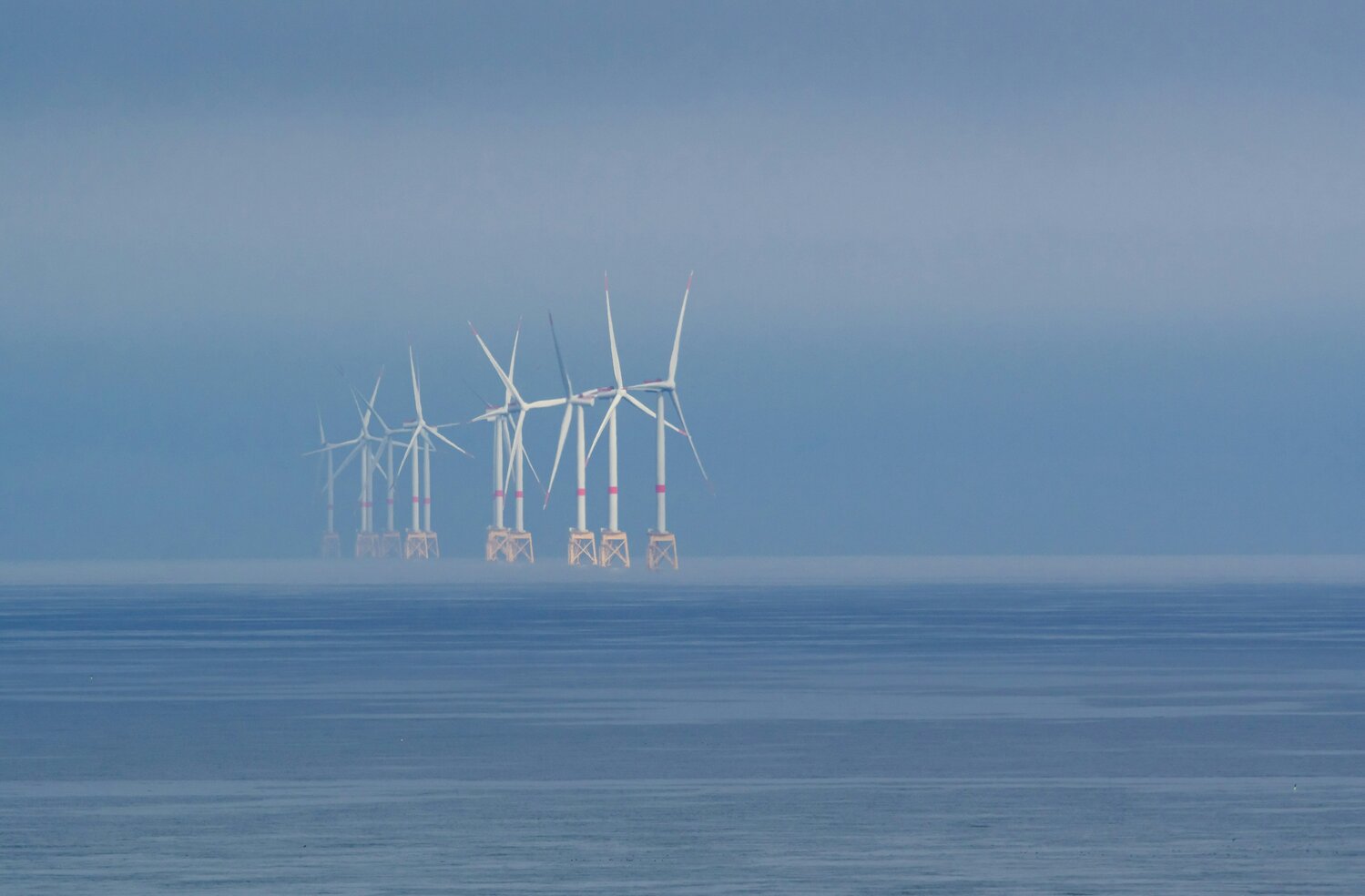
AI demand is pushing power grids and land supply to the limit. Floating wind platforms with built-in data centers could shift compute closer to its energy source.

One company’s 2025 results show what it looks like when ESG performance is actually priced into capital allocation.