

The environmental constraints reshaping industrial timelines across Latin America are less visible than tariffs but just as costly to underestimate.

Before you finalize your next site decision, understand what uneven water infrastructure is actually doing to U.S. industrial expansion.

Carbon reporting is evolving into a strategic business tool. Companies now use real-time emissions data to guide decisions, cut costs, and drive progress.

The turbine market is shifting as efficiency and emissions targets tighten. Growth is being driven by policy, innovation, and rising global energy demand.

BLM approved an Arizona natural gas pipeline using emergency permitting authorities, offering an early look at how accelerated review is reshaping project timelines.

How much of your portfolio exposure sits in land and environmental risk your current compliance framework was not built to catch?

DuPont’s spinoff of Chemours shifted PFAS-related liabilities—but evolving science and stricter regulations revealed the limits of a clean break.

A Louisiana project is turning wood waste into steady electricity. By pairing biomass with carbon capture, it aims to remove more carbon than it emits.

Marine protected areas face rising pollution threats from land. Without wastewater control, ocean protection targets risk falling short.

BNSF's new five-year agreement with TCU covers 746 intermodal workers at four critical hubs, offering a stability signal for supply chain operators tracking rail risk.
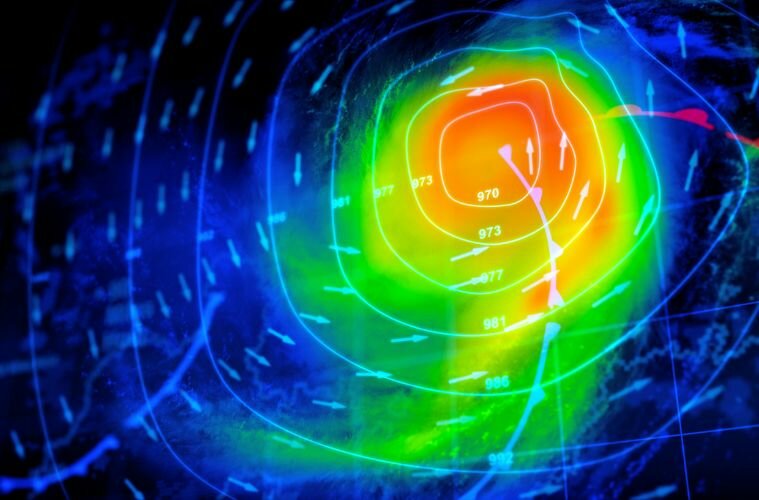
Boston University research shows how AI is improving climate predictions, helping businesses anticipate supply chain and operational risks earlier.

Cross-border growth used to come with manageable environmental risk. That calculus is shifting fast — and most due diligence processes haven't caught up yet.

Water is no longer an operational input. It is a constraint on capital deployment. And unlike energy, it cannot be substituted, hedged, or easily relocated once a facility is built.

Why focusing only on carbon falls short. A deeper look at environmental impact categories shaping material decisions, risk, and long-term sustainability.

Disposable lab gloves may be skewing microplastics data. That raises concerns for regulators, investors, and companies relying on it.

Arcobi’s rebrand marks a move toward integrated energy platforms. Companies are seeking faster ways to turn data into real-time operational decisions.

EPA’s draft CCL 6 adds PFAS, microplastics, and pharmaceuticals to its drinking water watchlist, signaling future regulatory priorities.

NOAA reopens Atlantic monument waters to commercial fishing, boosting U.S. seafood supply while raising environmental and legal concerns.

According to the World Bank, land access, environmental liability tied to site conditions, and the growing intersection of both with water availability are becoming material constraints for international operations.

Water availability is no longer just an environmental issue. For North American facilities leaders, it's becoming an operational and compliance pressure that demands attention now.