

Massachusetts is set to see major infrastructure improvements as part of an $8 billion transportation plan that will fund critical projects and strengthen the state’s workforce.

With carbon capture technology emerging as a key component of U.S. energy and environmental policy, the EPA has granted West Virginia the authority to regulate Class VI wells for carbon sequestration.

With only 17% of peatlands protected, businesses have a growing opportunity to invest in carbon markets, restoration, and conservation efforts.

A global study finds that 84% of surveyed protected areas remain vulnerable to human activity, highlighting the need for adaptive conservation.

Wärtsilä’s 46TS engine boosts efficiency and grid stability while supporting renewable energy integration. Its rapid response cuts emissions.

The bill seeks to provide funding for statewide transportation improvements, but its impact on EV affordability and expansion remains uncertain.
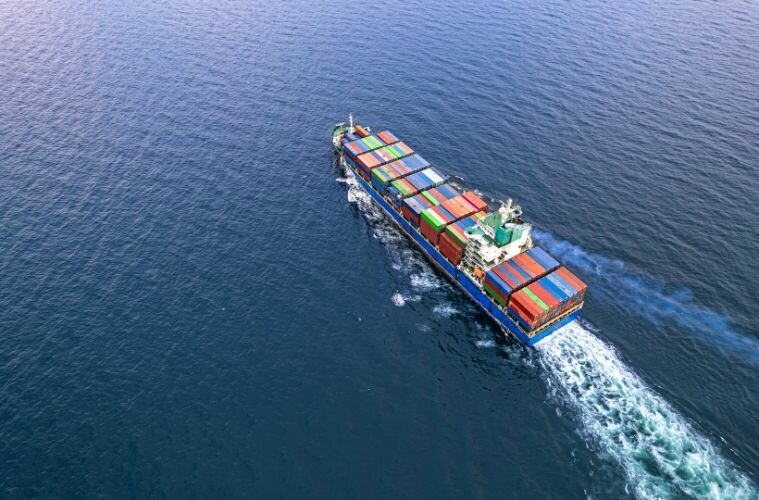
A recent report from Cerulogy warns that without proper safeguards, the expanded use of maritime biofuels could increase global greenhouse gas emissions.
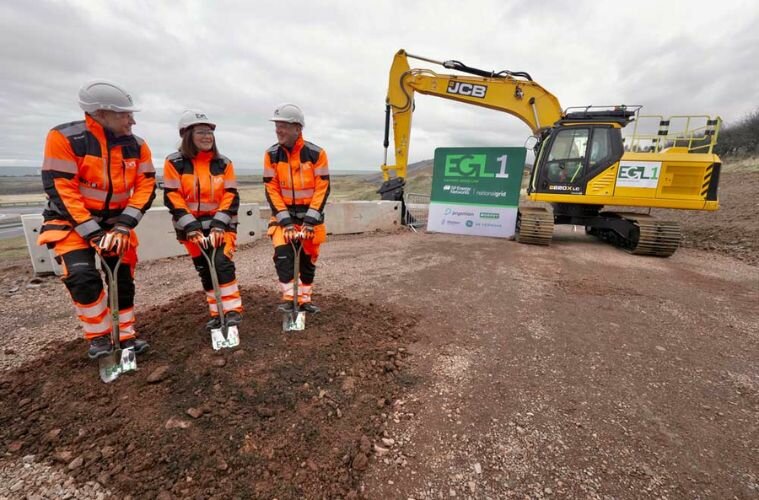
With a £2.5 billion investment and an anticipated completion in 2029, the project promises long-term economic and environmental benefits.
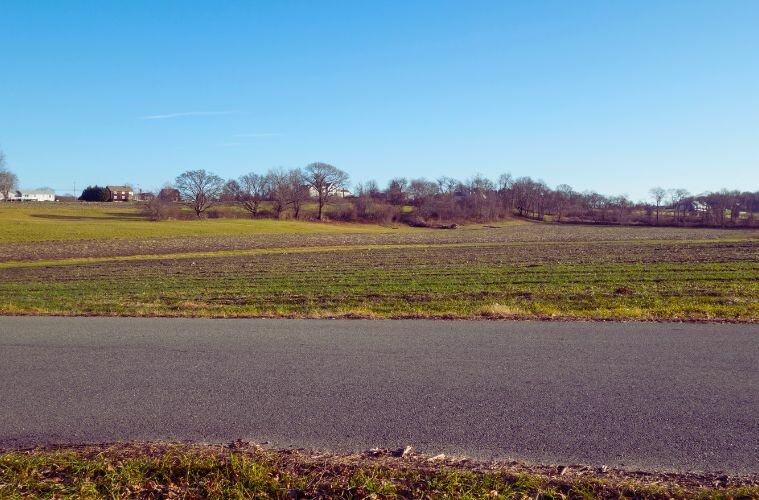
For years, biosolids have been praised as a sustainable solution for farming. But new research suggests they may be doing more harm than good.

AFFF alternatives or fluorine-free foams, are proposed as safer replacements for traditional firefighting foams. However, there are still several remaining safety questions about their long-term impact.
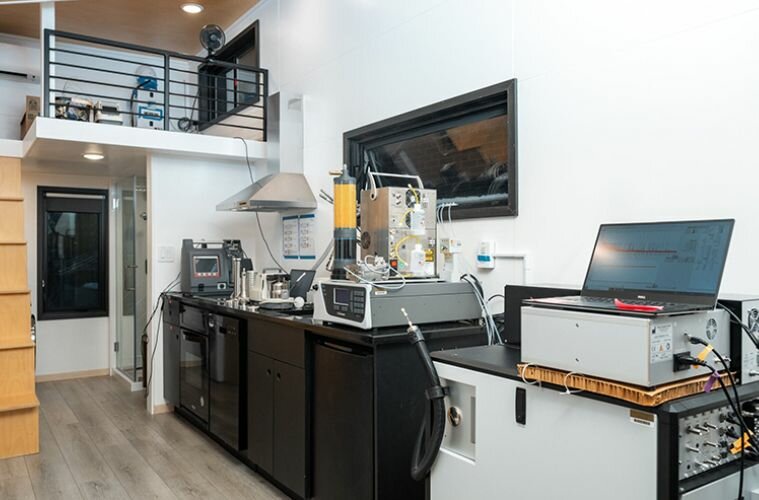
What smells clean isn’t always safe. New research shows that common scented products can release nanoparticles that penetrate deep into the lungs.
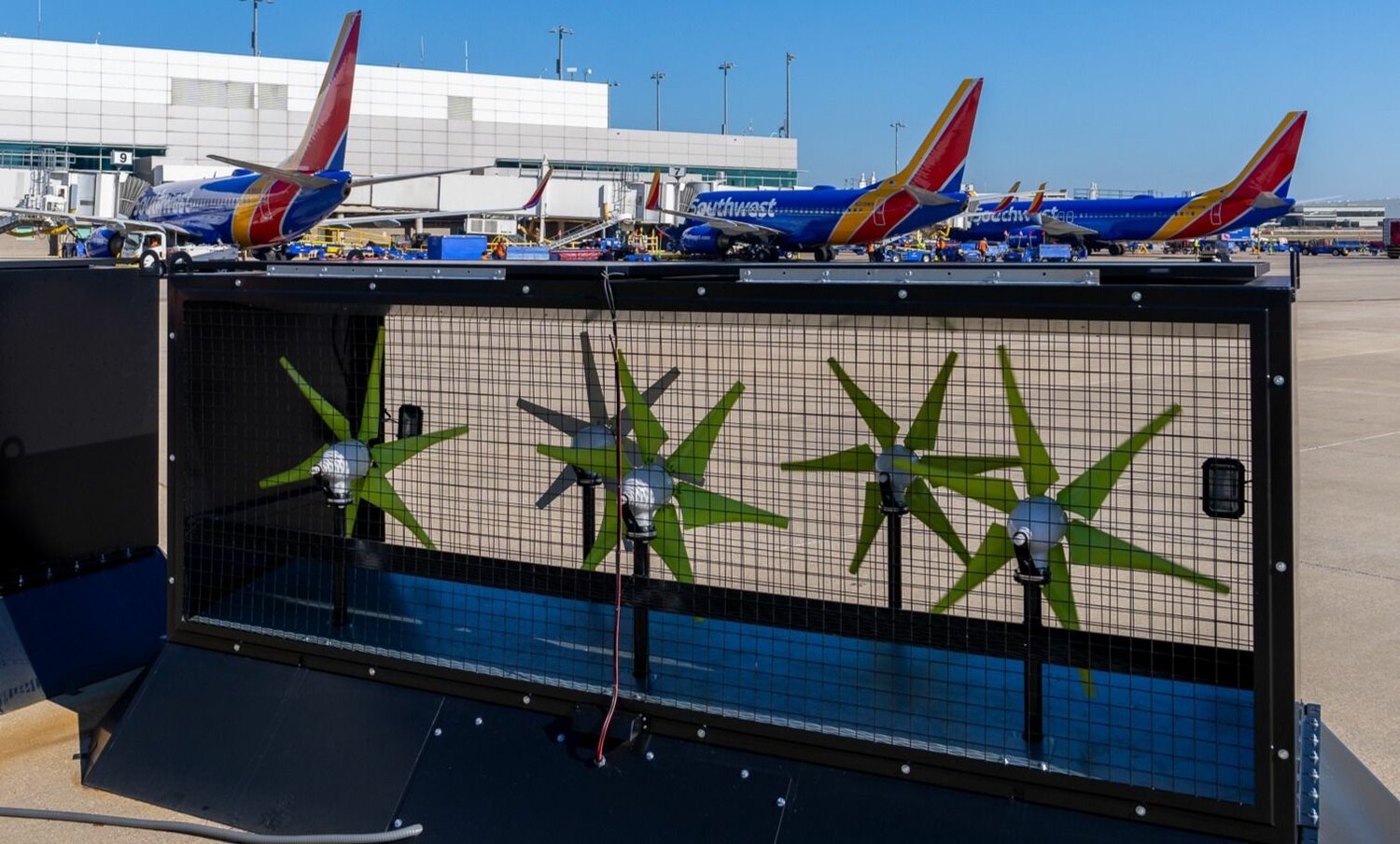
JetWind Power’s innovative energy pods transform airplane exhaust into renewable power, easing grid demand and scaling to global markets in 2025.

Columbia Climate School launches the first U.S. climate finance master’s, blending climate science with financial expertise for global impact.
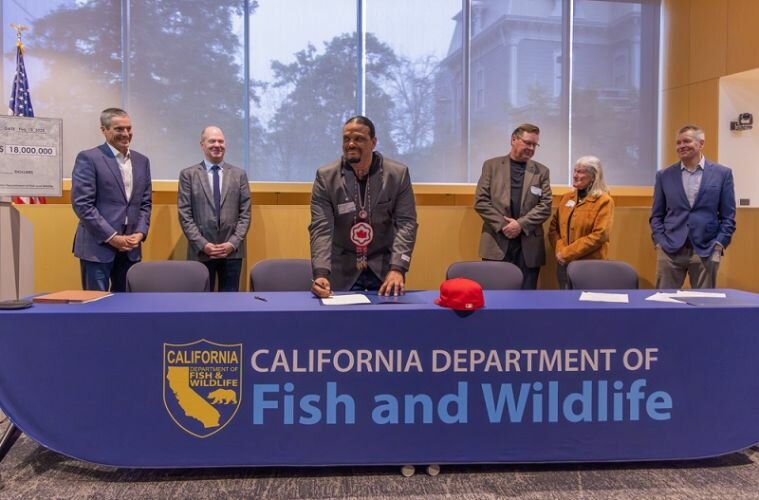
California’s new water agreement will remove dams on the Eel River, restoring fish habitats while ensuring supply for over 600,000 residents.

BOKSER Textiles is working toward a greener hospitality industry by incorporating CiCLO technology into its linens to reduce plastic waste and pollution.
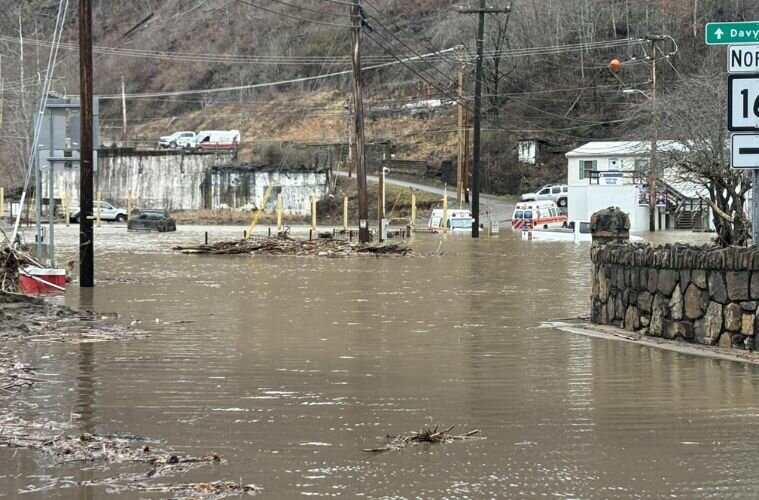
Floodwaters surge across West Virginia, forcing evacuations and emergency declarations in multiple counties.

Japan is investing big in perovskite solar tech, aiming to cut fossil fuel reliance and scale flexible, high-efficiency solar panels for dense urban areas.
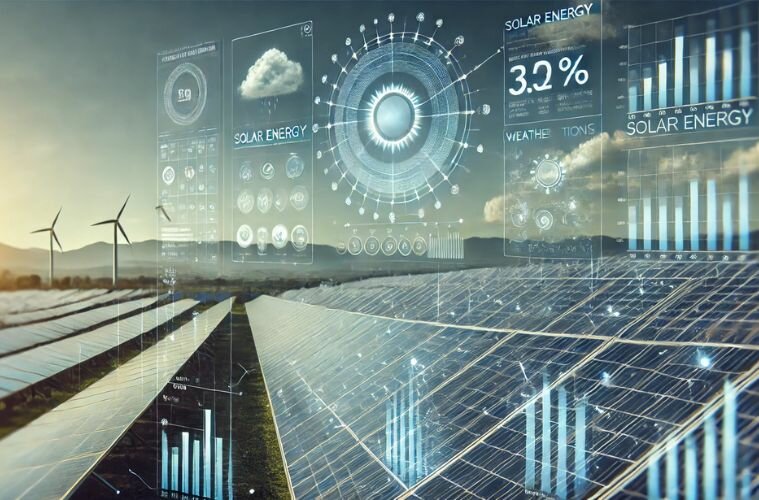
New research suggests that advanced post-processing techniques and machine learning models could revolutionize how solar power is predicted.

The Feb 10, 2025, Senate session focused on the Future Made in Australia Bill, sparking debate over tax breaks, corporate favoritism, job security, and transparency.

In 2025, the United States is intensifying its efforts to rehabilitate brownfield sites—properties hindered by the presence or potential presence of hazardous substances, pollutants, or …