
AI-driven power demand, nuclear revival, hydrogen breakthroughs, and energy shifts—February 2025’s top 10 stories reveal the future of energy tech.

Banks face ESG data challenges as the ECB warns of fines for failing to address environmental and social risks, while the EBA reports struggles in risk assessment.
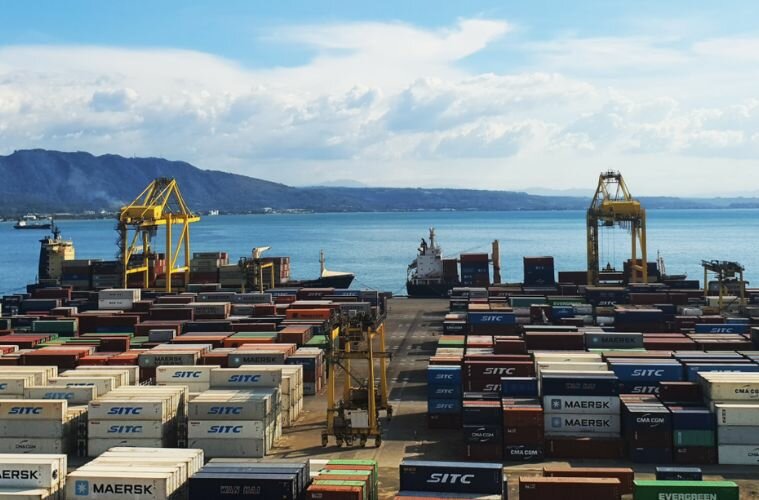
MCT now operates on solar power during the day, reducing carbon emissions while ICTSI invests $100M to expand the terminal’s capacity.

A new initiative combines technology investments and performance incentives to help Fonterra farmers reduce emissions and enhance sustainability.
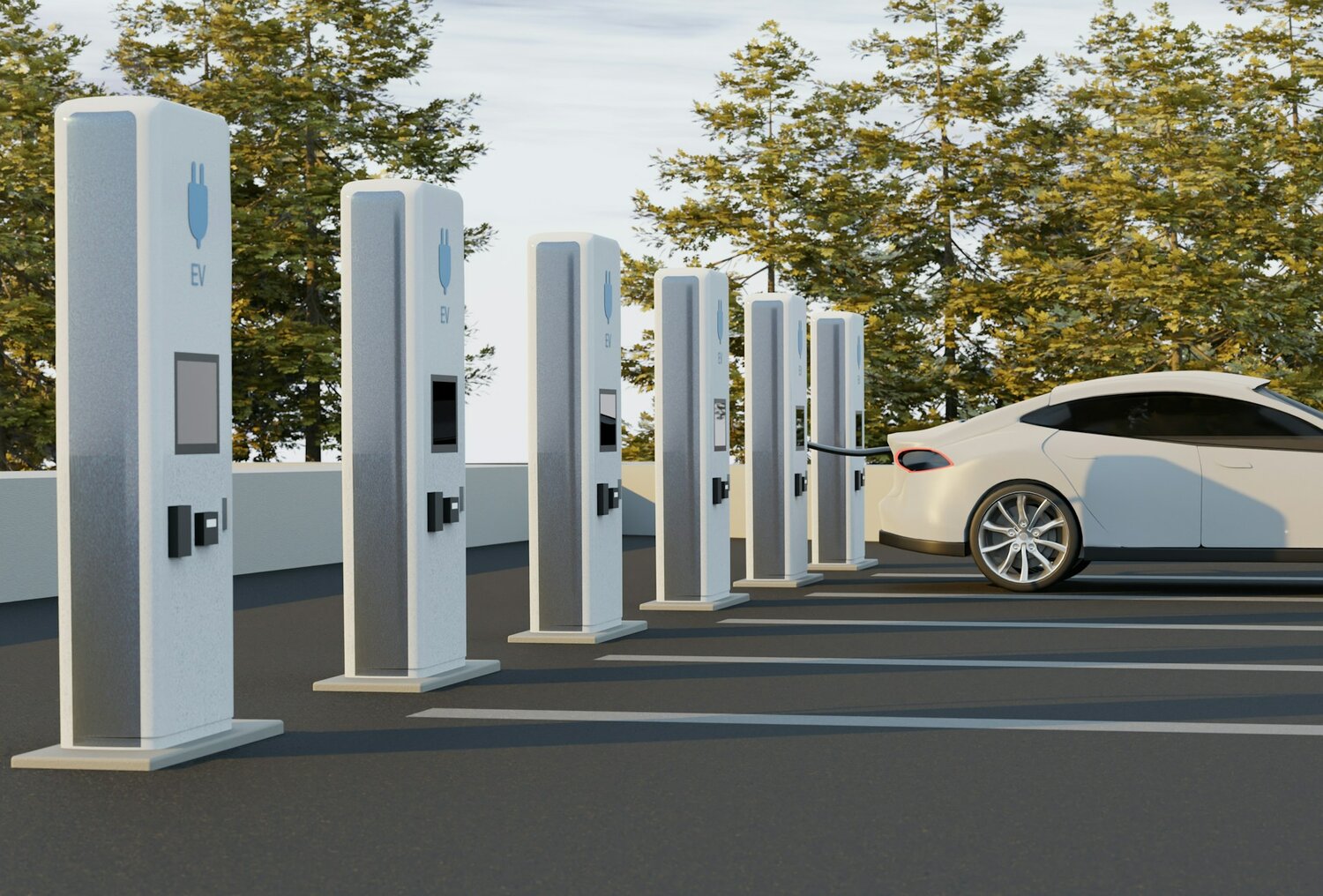
EV adoption is rising, doubling electricity demand in some areas. With smart charging and grid planning, utilities can balance the load efficiently.
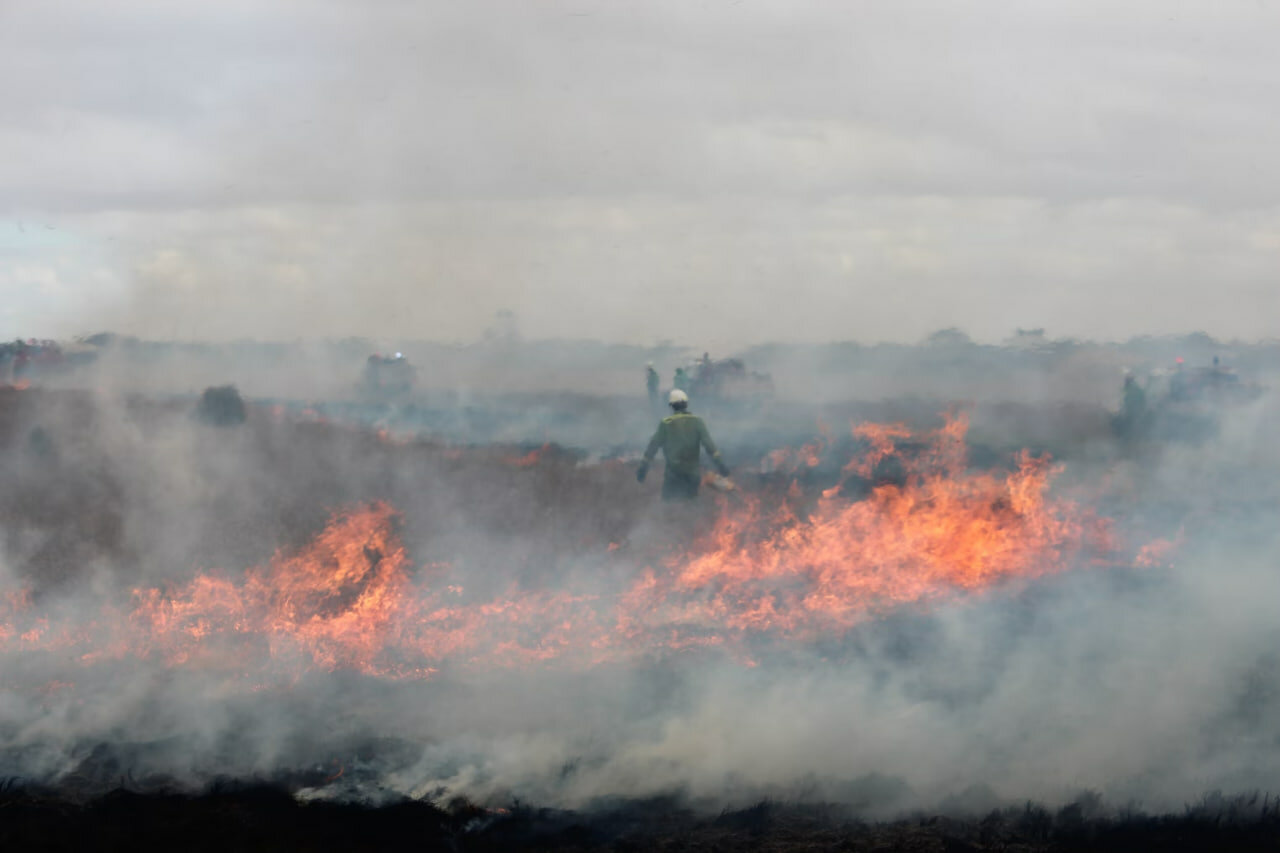
UK peatland fires are a major carbon threat, emitting up to 90% of fire-driven emissions. Businesses must act to mitigate climate risks.

In-depth insights into energy consumption, carbon emissions, and renewable energy usage across major blockchain networks.

Most businesses overlook ocean conservation in their sustainability plans. Strengthening ocean literacy is key to long-term corporate resilience.
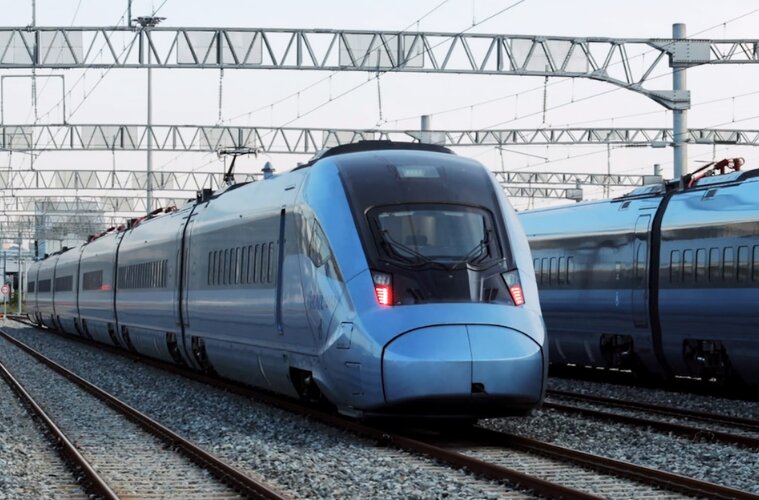
As part of its commitment to sustainability, Hyundai Rotem is actively developing hydrogen-powered trains and fuel cell trams, aligning with global carbon neutrality goals.
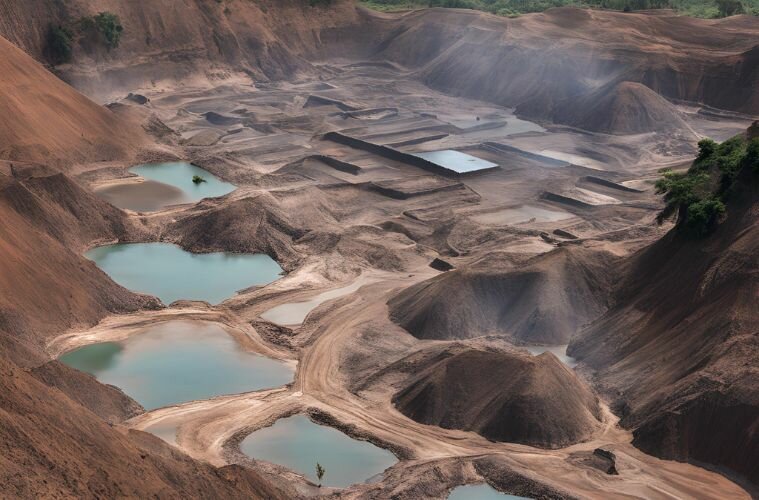
As nations and industries reassess their cobalt dependency, this export ban could serve as a turning point in the global race for battery minerals and supply chain resilience.

Boasting 800-volt architecture, this all-electric model can gain 300km of range in just 10 minutes and travel up to 700km on a full charge.

The funding will support the city’s implementation of SB 1383, a statewide mandate requiring jurisdictions to cut organic waste disposal and increase food recovery.

In an era where global health crises and sustainability challenges are increasingly intertwined, businesses must navigate complex policy landscapes while fostering resilience and innovation. The …
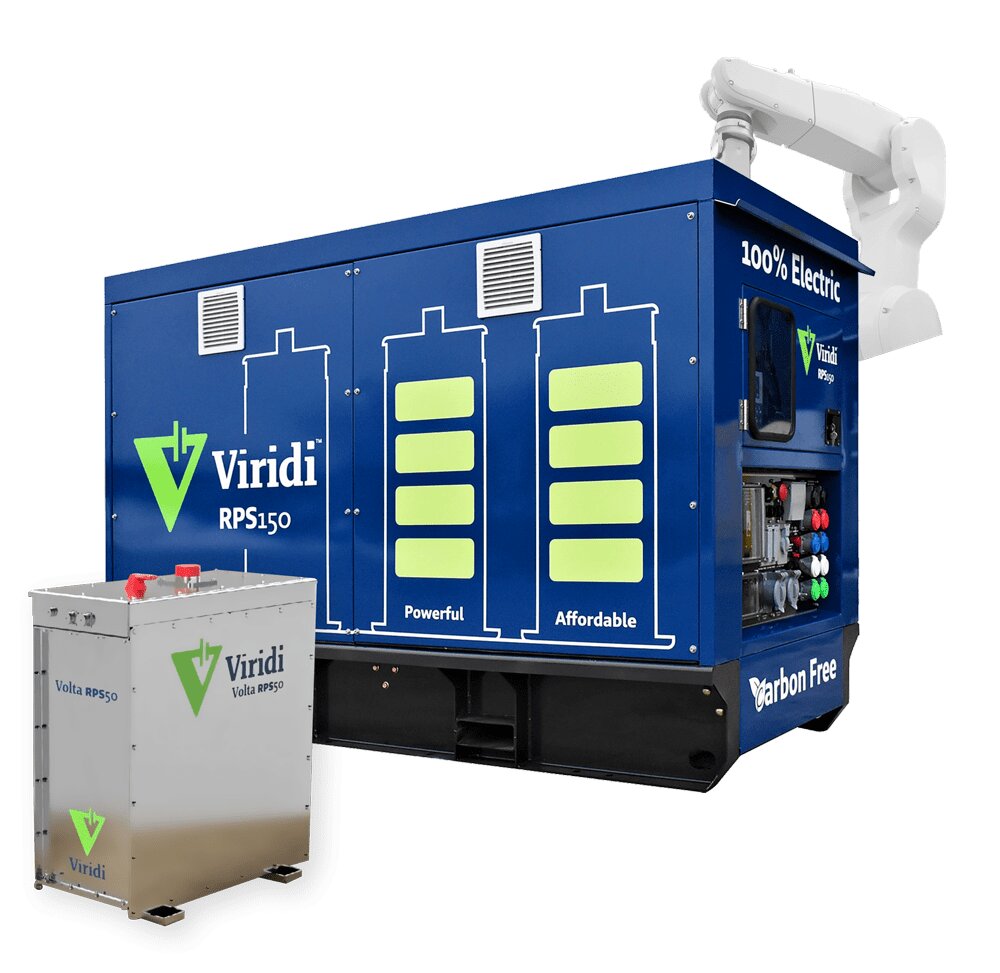
SolarBank and Viridi are developing a solar and battery storage project on a Buffalo landfill. The initiative will support community solar access.

Large corporations will have an additional year, until July 2028, to implement due diligence measures.

Lead Pipe Replacement and PFAS Removal Among $265 Million in Water Projects

AHT will provide the hydrogen injection and carbon capture system, while DB ESG will oversee testing and evaluation of the technology on the Class 66 locomotive.
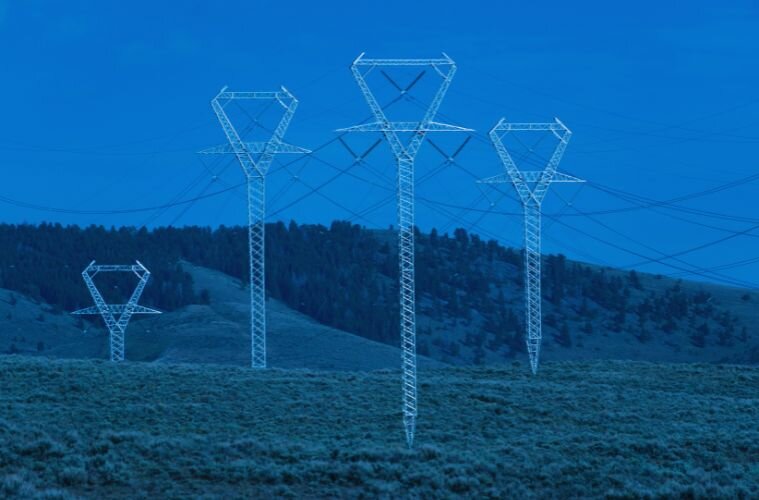
WEA calls for transparent, independent oversight of regional power markets, ensuring fair rules for all stakeholders in the evolving Western energy landscape.

The newly signed Nature Agreement outlines a roadmap for expanding protected areas, preserving critical habitats, and advancing Indigenous-led stewardship.
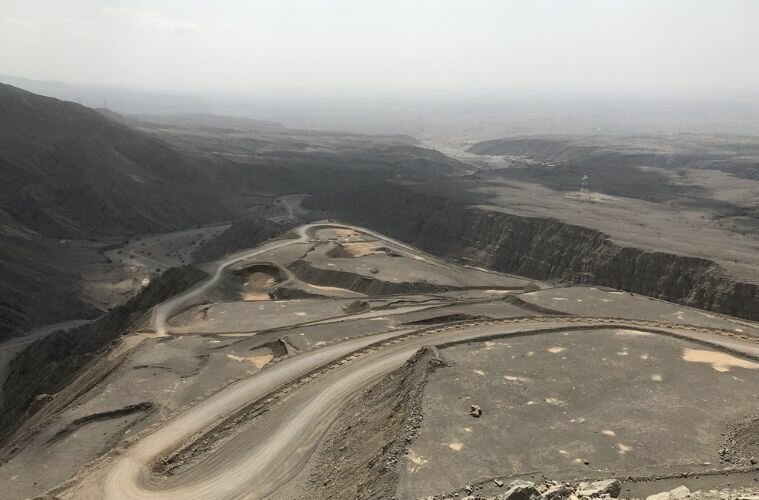
The partnership will focus on exploring high-impact projects and investments in pivotal regions such as Africa, North America, and Central Asia.