
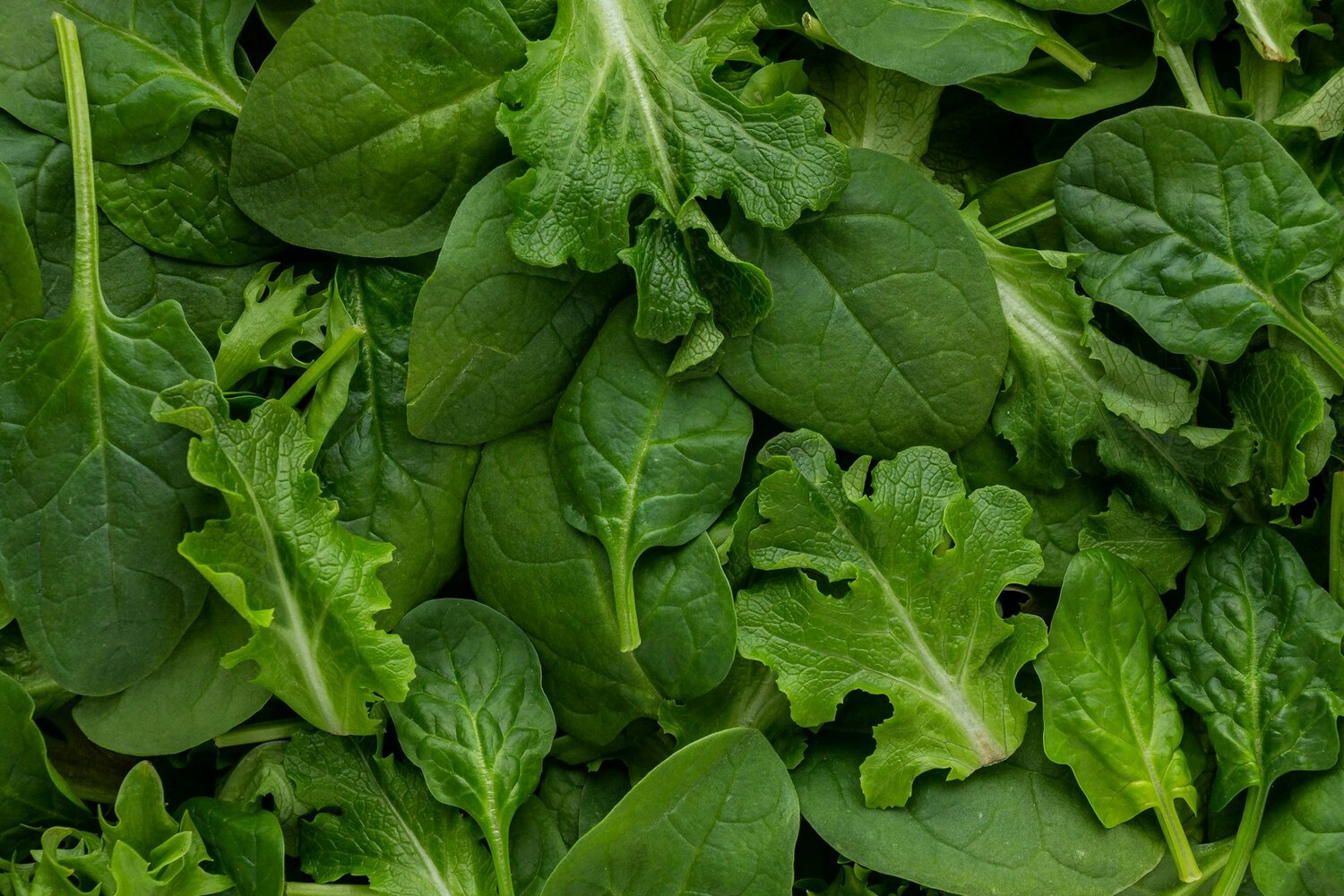
Scientists have successfully engineered plants to produce essential nutrients typically found only in animal-based foods using synthetic biology techniques.
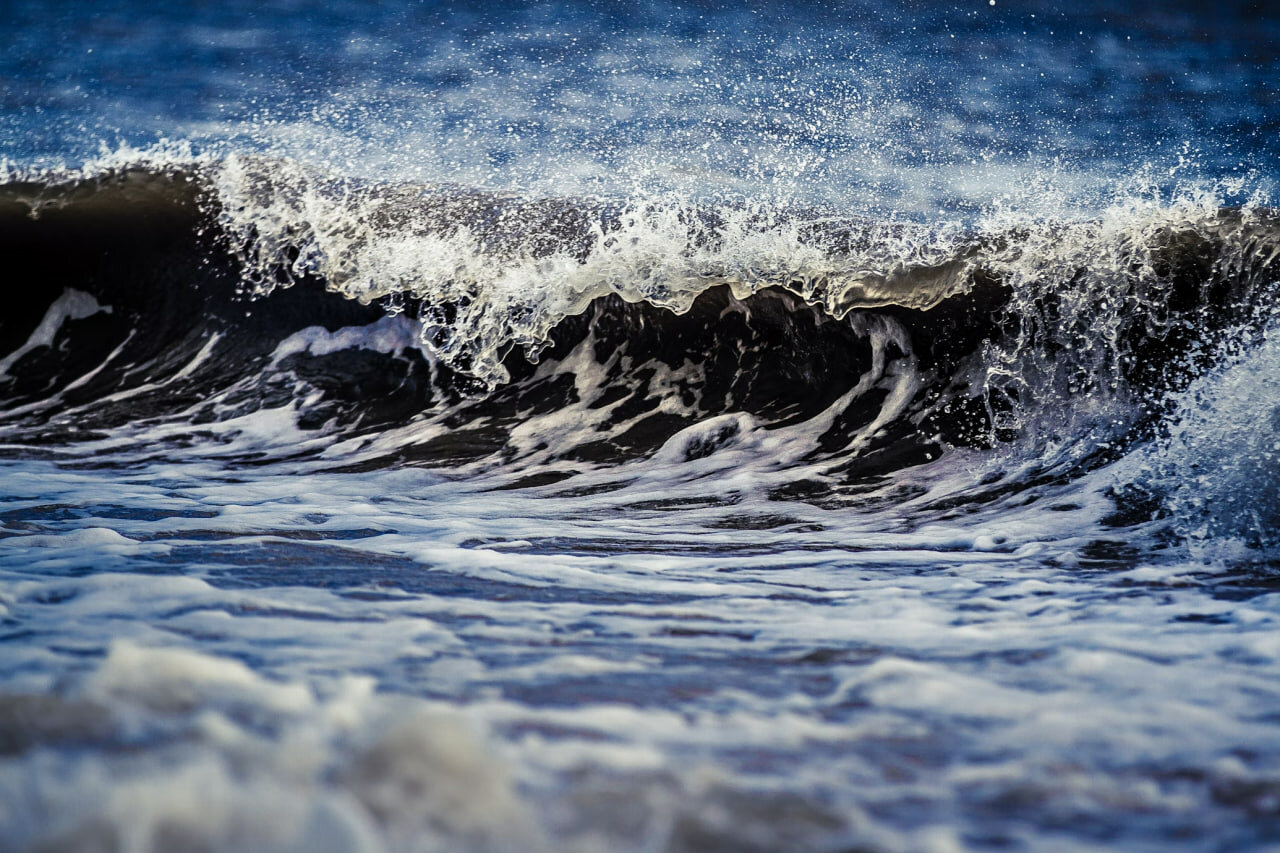
Marine heatwaves, once a rarity in UK waters, are emerging as a significant threat to the nation's £6.8 billion marine economy. New research suggests that the southern North Sea, a critical area for fishing and offshore energy, is particularly vulnerable to these extreme events, which could dramatically reshape marine ecosystems and industry operations in the coming decades.

Washington, D.C., has cultivated a strong local food movement, with the most Community-Supported Agriculture (CSA) programs and community gardens per capita.
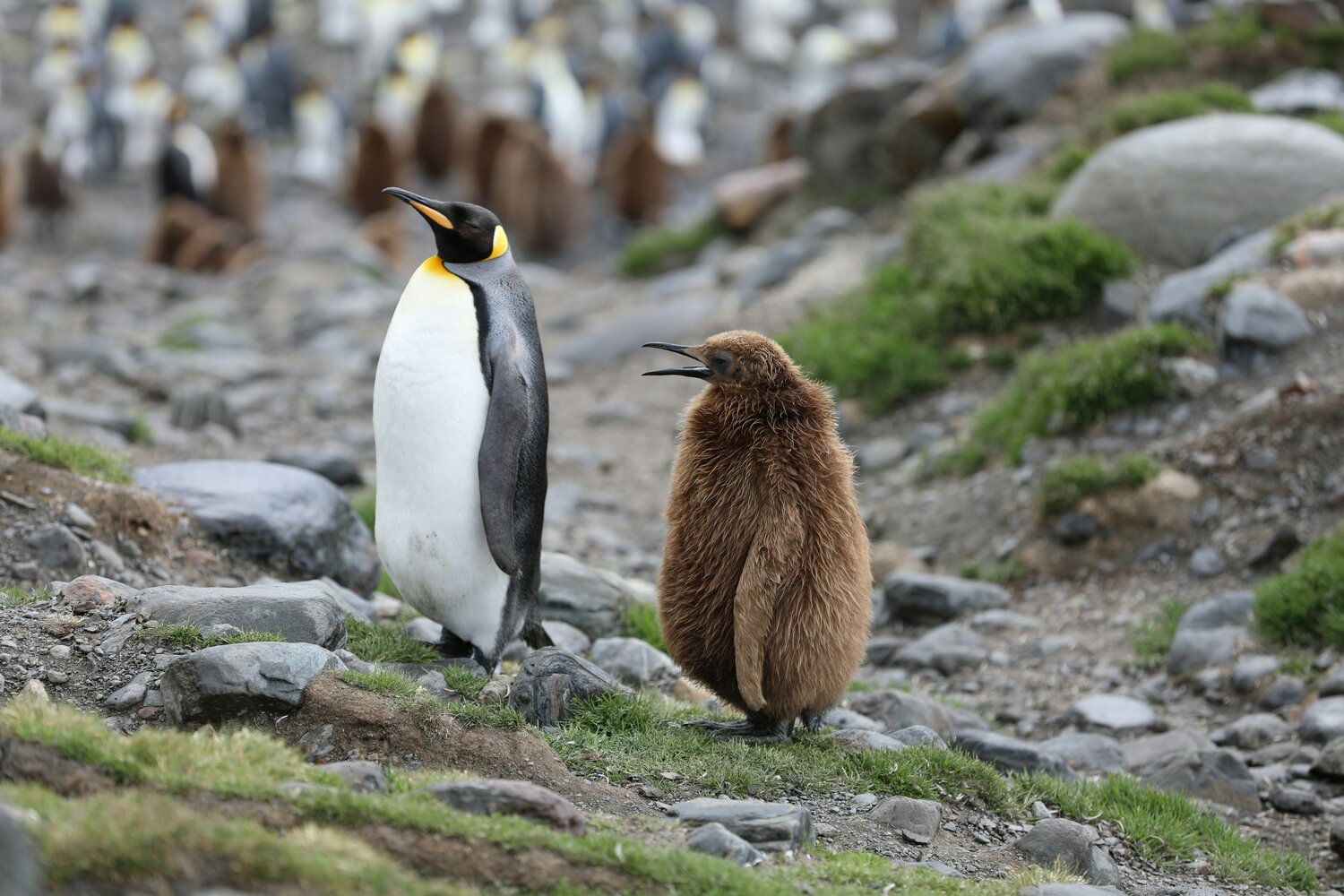
The Antarctic Peninsula’s vegetation cover has increased by more than 1,000% in the last 40 years, expanding from less than one square kilometer to nearly 12 square kilometers. This rapid greening trend is a clear sign of how quickly climate change is reshaping even the planet’s most remote and extreme environments.
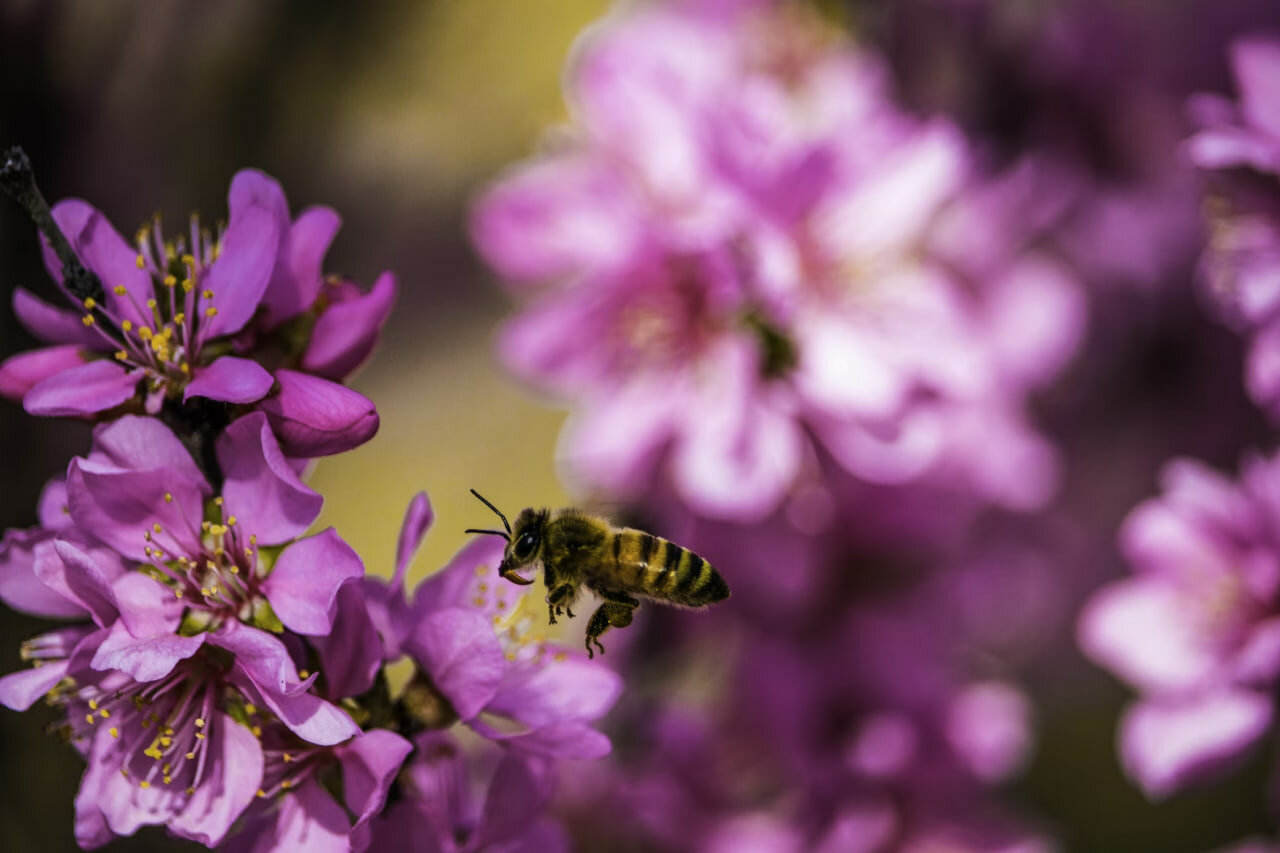
A recent study reveals that soil bacteria play a crucial role in enhancing flower attractiveness to pollinators, particularly in nutrient-poor environments. This discovery challenges conventional wisdom about soil management and opens new avenues for sustainable agriculture and ecosystem conservation.
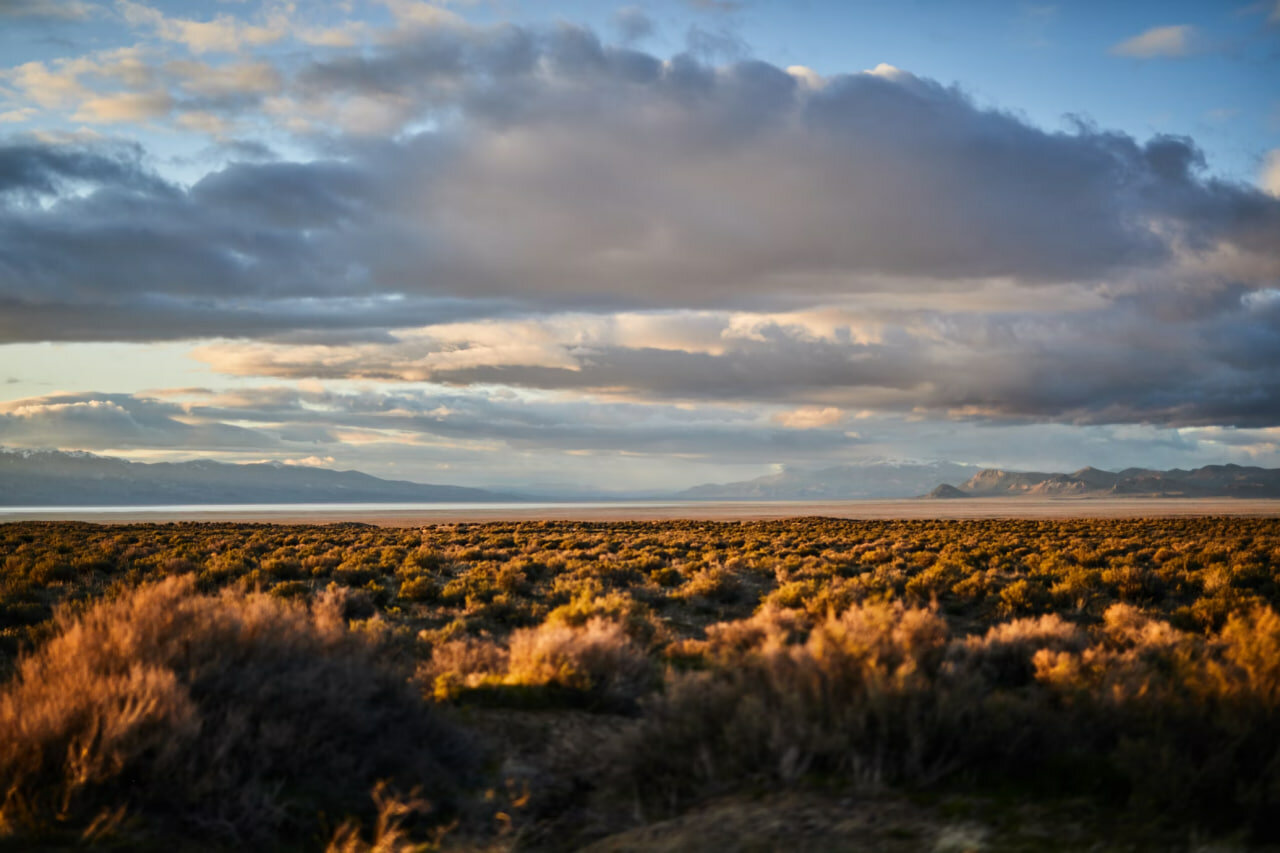
While 1.9 million acres were lost to cropland in 2022, this marks an improvement from the previous decade's average, highlighting the potential for positive change through collaborative efforts between policymakers, conservationists, and businesses.
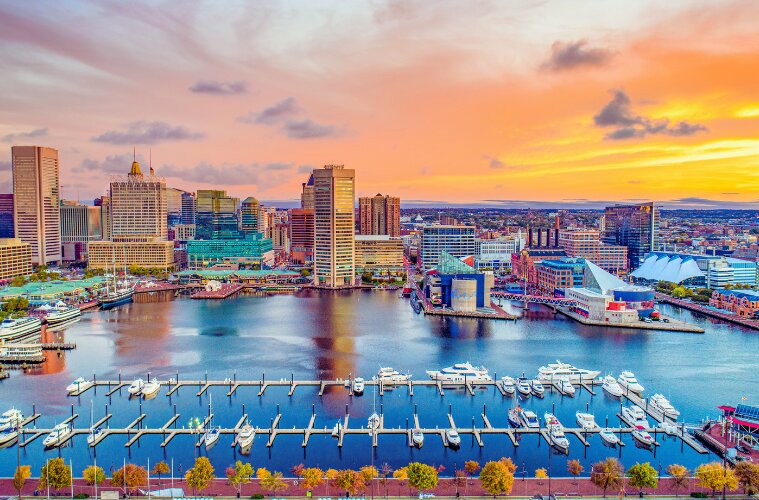
In a landmark settlement aimed at protecting Maryland's waterways, Fleischmann’s Vinegar Company has agreed to pay $1.1 million for unauthorized pollution discharges from its Baltimore facility. This marks a significant step toward environmental accountability and ecosystem restoration.
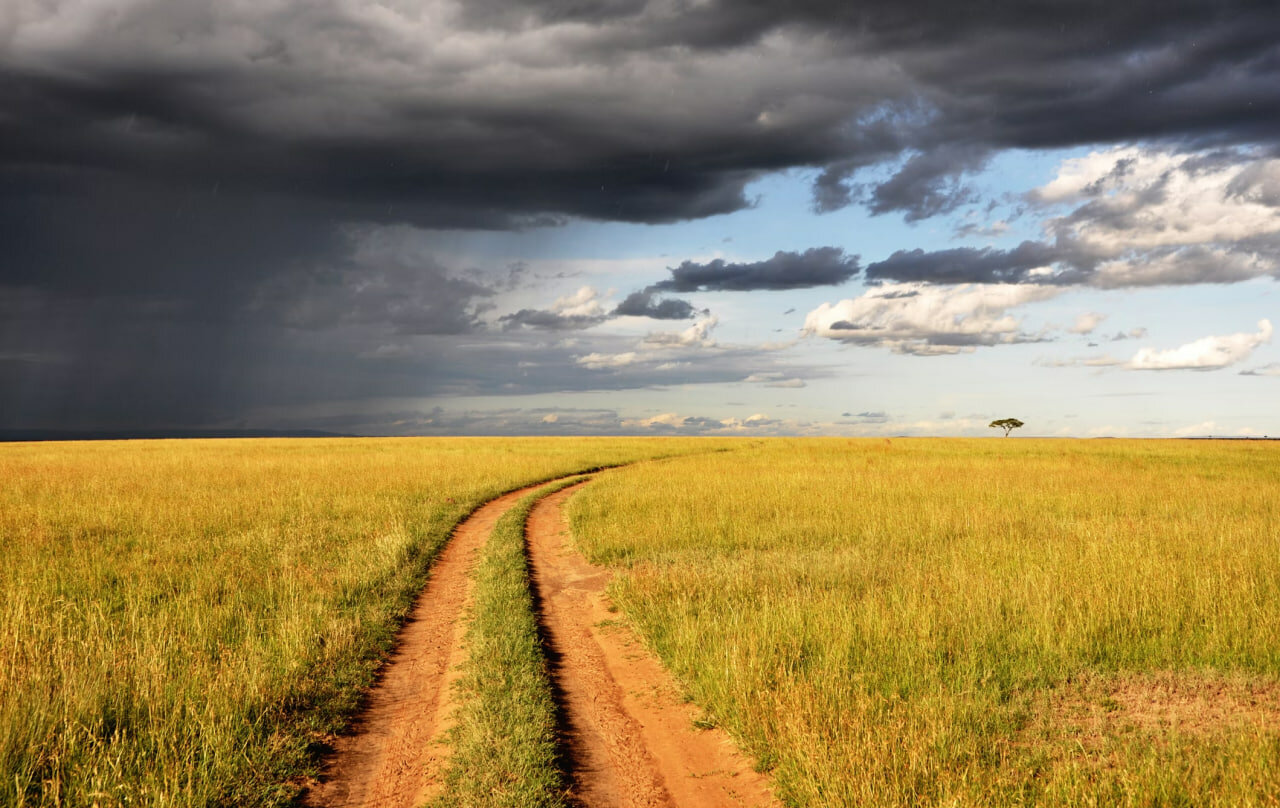
Researchers have laid out a blueprint for enhancing food security across Sub-Saharan Africa, leveraging the region's inherent strengths to overcome persistent challenges.
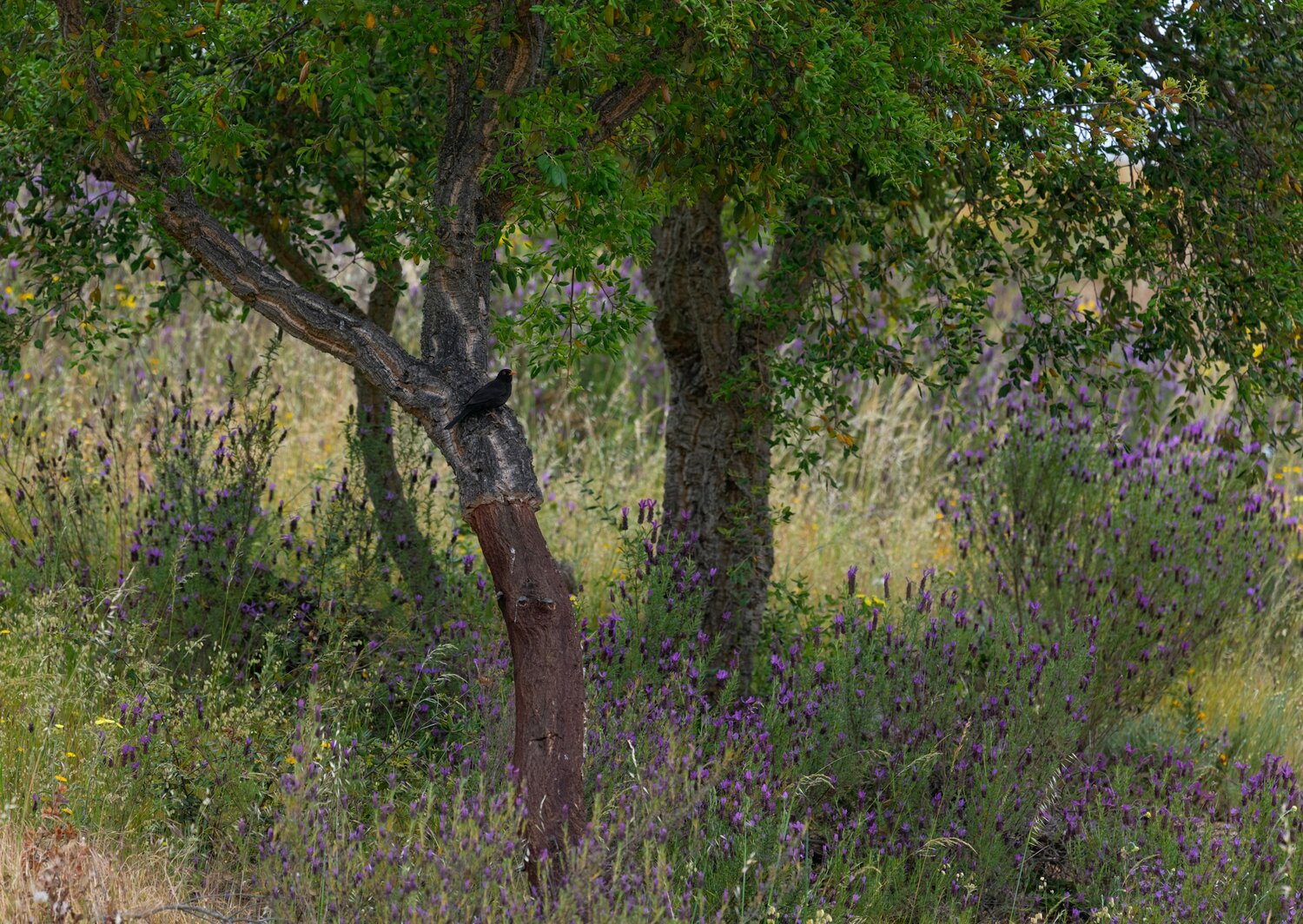
Cork and natural rubber hold immense potential as eco-friendly materials for industries focused on reducing environmental impact.
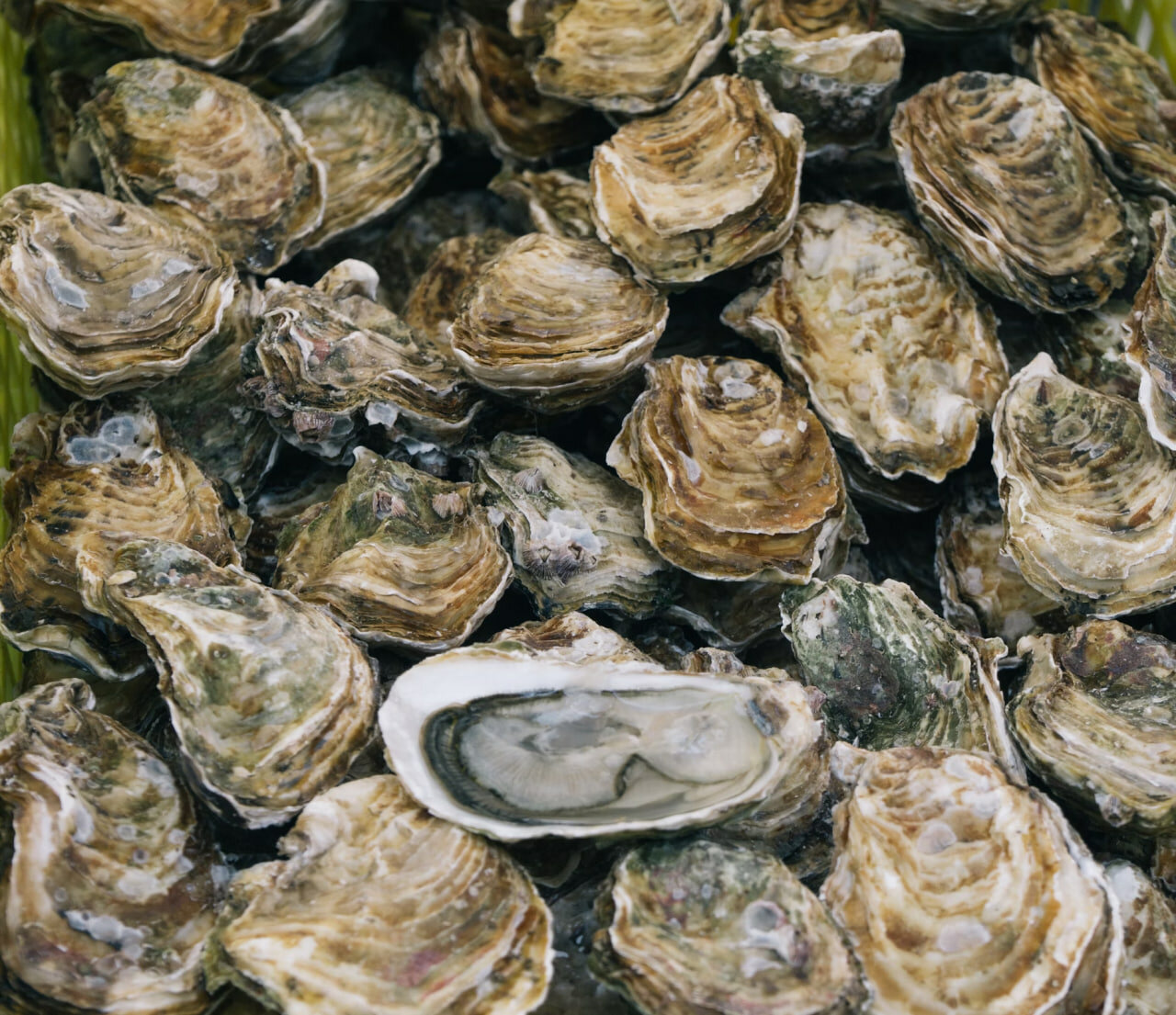
Researchers have discovered that a freshwater oyster from Africa produces a unique adhesive that could revolutionize industries from dentistry to construction. The innovative glue, made of aragonite mineral and special proteins, offers a promising model for developing stronger, more environmentally friendly adhesives.

The latest Big Butterfly Count reveals a worrying trend: butterfly numbers have plummeted to their lowest on record, with habitat loss, extreme weather, and intensive land management cited as key drivers of this decline.
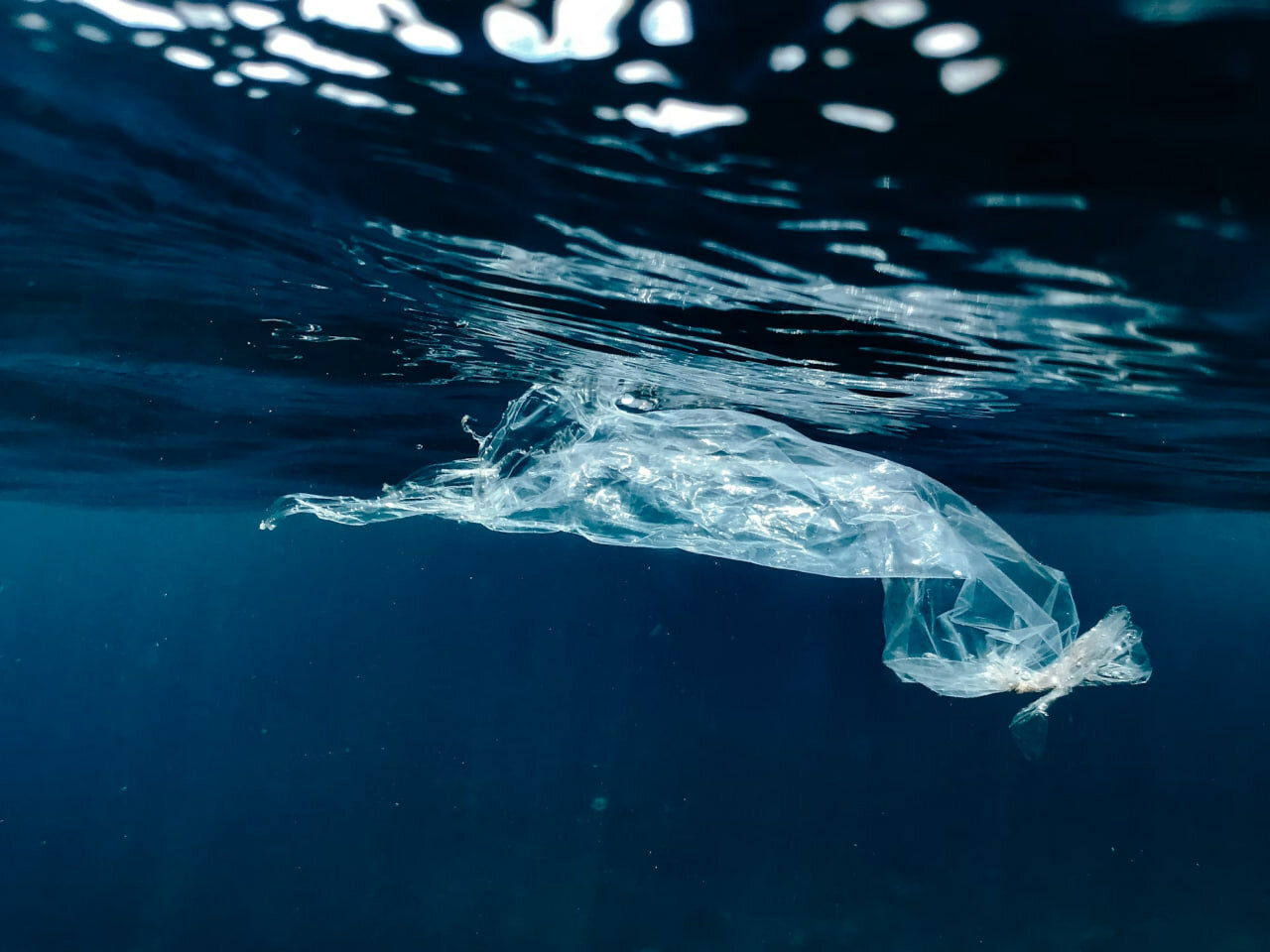
Scientists have discovered a vast genetic treasure of unseen ocean microbes, offering potential solutions to global health and environmental challenges.
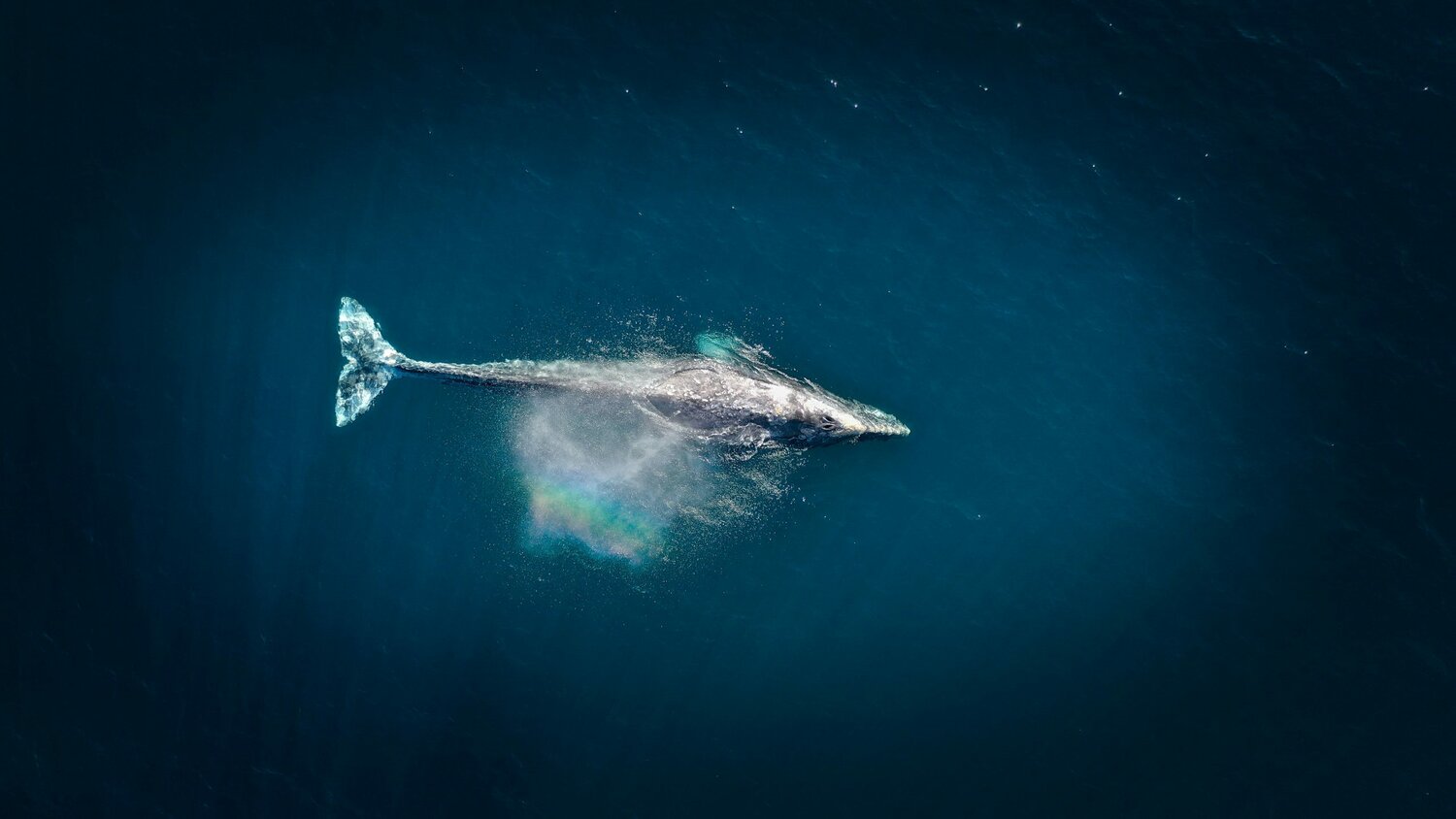
Japan has sparked global concern by harpooning its first endangered fin whale in over 50 years, mere days after anti-whaling activist Paul Watson was arrested in Greenland. Watson, a vocal critic of …

Join Sonya Parenti, a leading materials expert, as she explores the innovations and efforts showcased at the 2024 Future Fabrics Expo. From groundbreaking materials like HeiQ AeoniQ to ingenious dyeing techniques and circular systems like Circ and Epoch Biodesign, it’s clear that the path forward involves reducing our environmental footprint while embracing new technologies and ethical practices.