
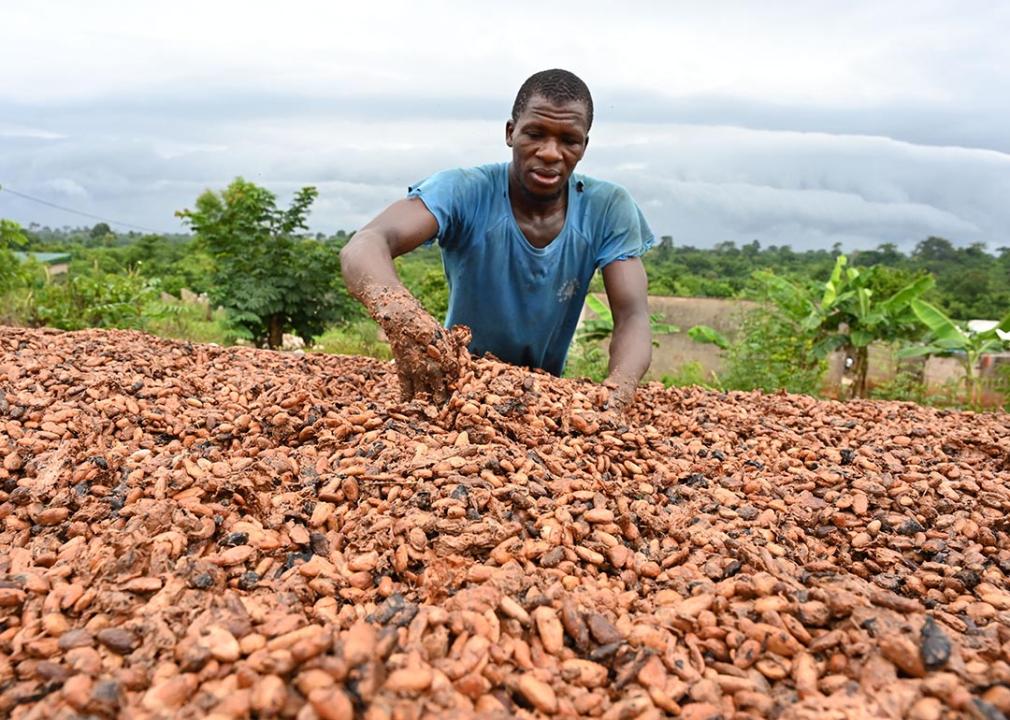
Grist reports that rising temperatures, erratic rainfall, and other climate impacts are throttling cocoa production and driving up chocolate prices.
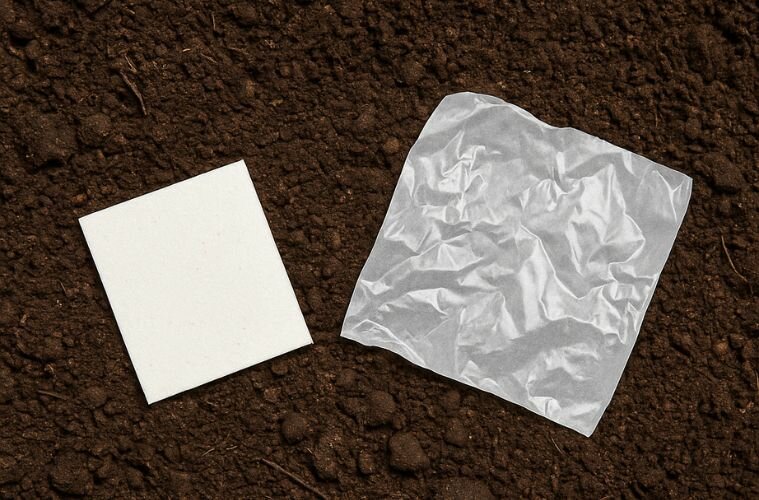
A new workflow enables soil-based testing of biodegradable plastics, supporting agriculture, packaging, waste, and materials industries with real-world data.

New research shows Queensland's regrowth forests offer vital habitat for threatened species—yet remain overlooked in conservation policy and land use planning.
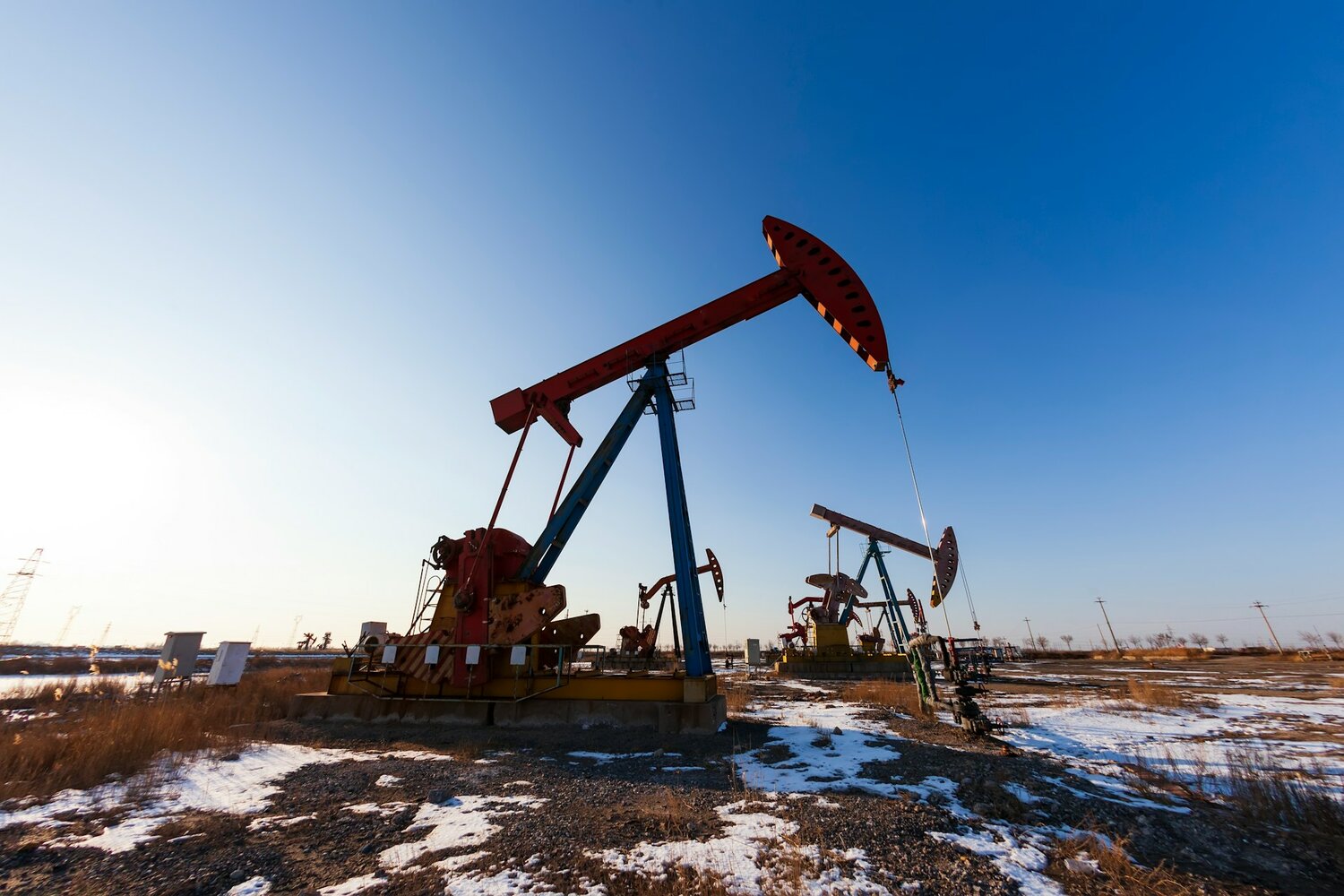
Well Done Foundation plugs its 50th orphaned oil well—its first in Oklahoma—through a landmark partnership with the U.S. Fish and Wildlife Service.
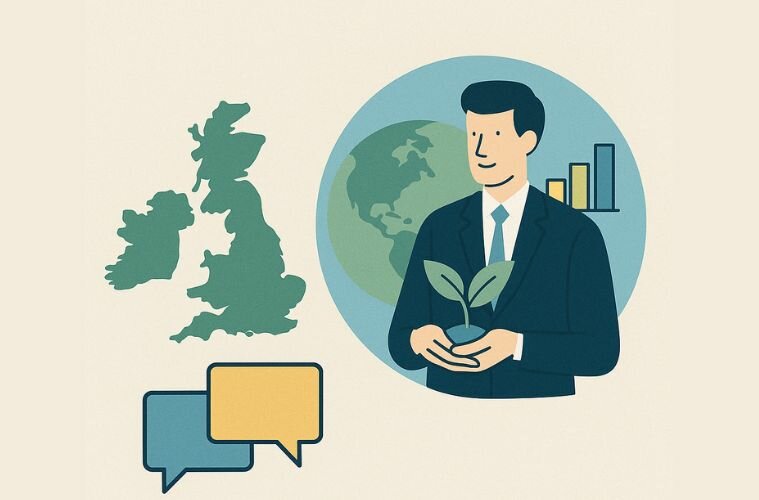
UK Expands Carbon Credit Trading to Strengthen Green Finance and Business Investment
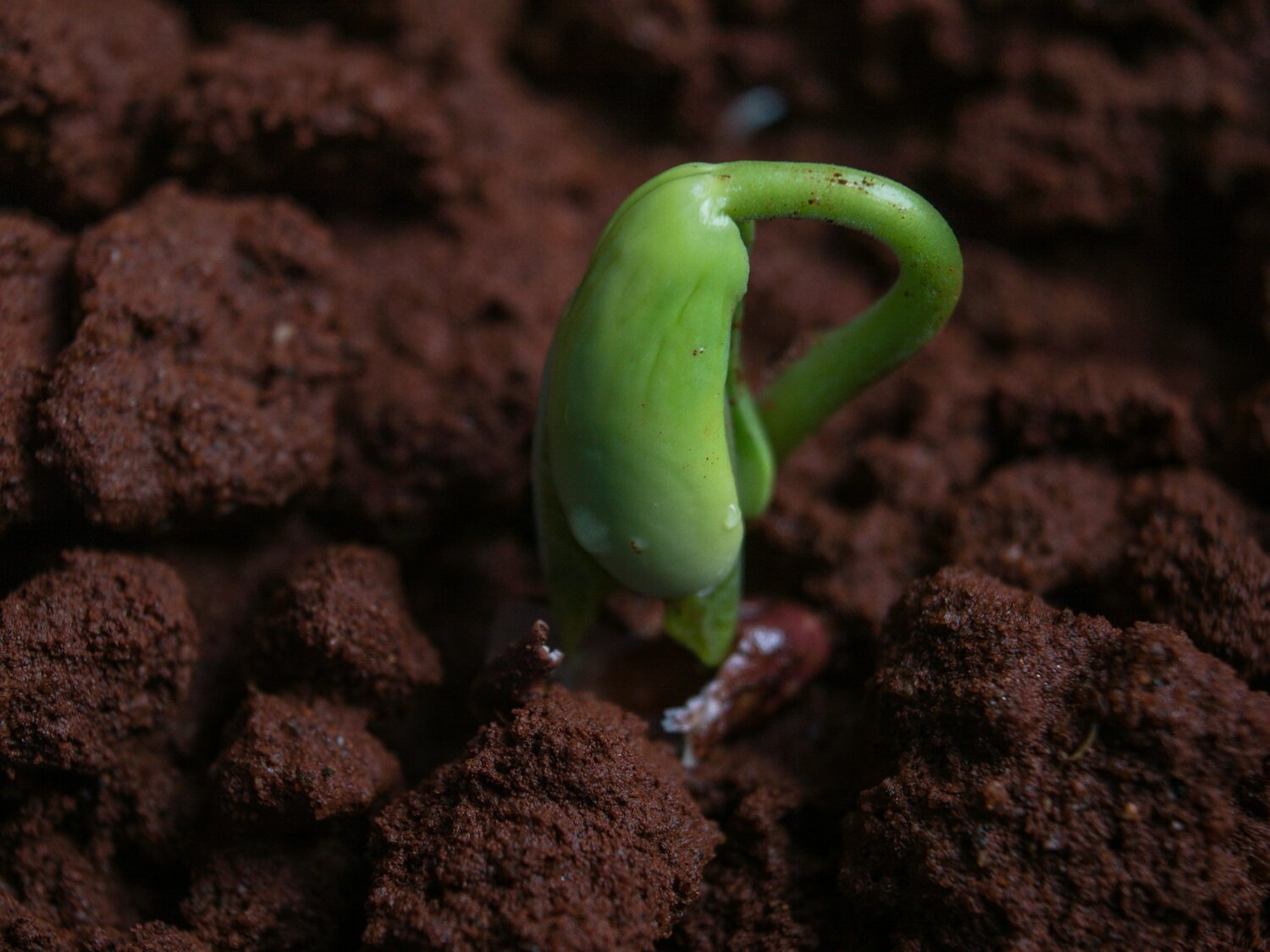
Toxic metals now taint 16% of cropland, affecting key food regions. Agribusiness faces rising risks to production and trade stability.

California launches a faster permitting process for wildfire safety projects, building on billions in investments and expanding environmental safeguards.

Hawaii Legislature passes resolution urging alignment with the UN Plastics Treaty and Rapa Nui Declaration to combat plastic pollution and protect marine ecosystems.
Changes to the landscape and pollution have harmed this vital ecosystem known as the ‘river of grass.’
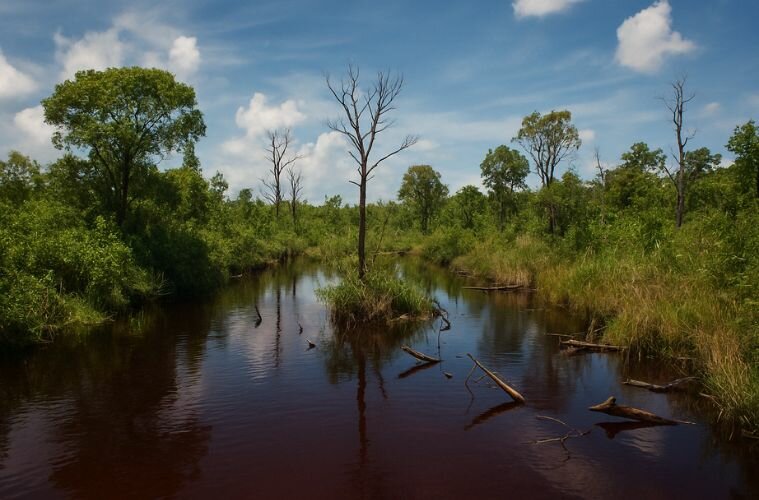
New research links unsustainable peatland use to rising flood risks in Indonesia, urging stronger hydrological planning and global supply chain accountability.
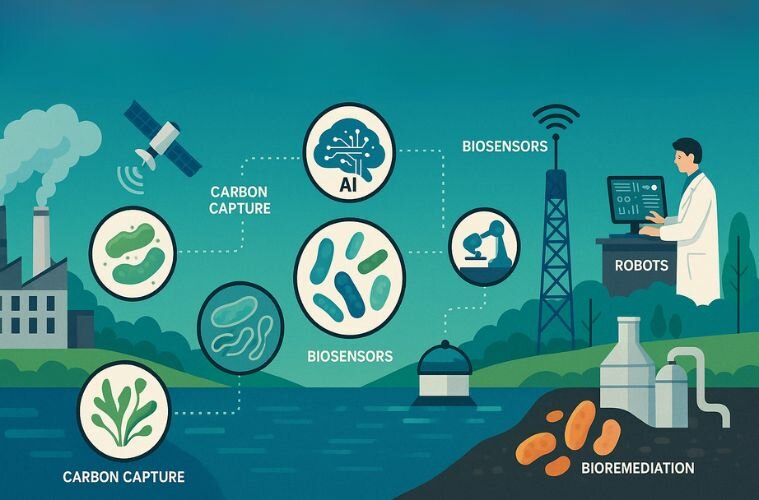
Engineering biology is combining with AI and IoT to deliver scalable, real-time solutions for pollution, climate resilience, and sustainable manufacturing.

New research suggests common starch-based bioplastics may cause insulin resistance and liver damage—raising urgent questions about their safety in food packaging.

U.S. nonprofit Saving Nature acquires 865 acres in Colombia’s Western Andes to restore habitats and protect biodiversity amid climate and agricultural threats.

Urbint acquires StormImpact to deliver predictive storm response for utilities. The move enhances grid reliability during extreme weather.
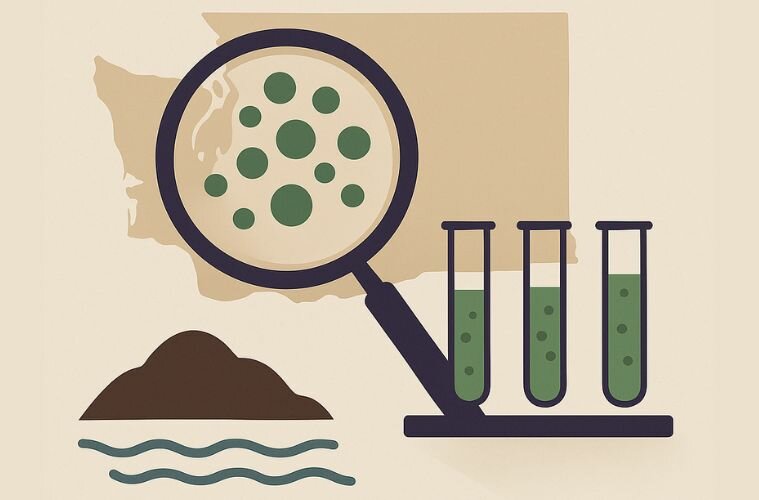
Washington mandates PFAS testing in biosolids starting 2027, with final reporting due 2029, advancing public health protections and data-driven regulation.

Remedy Scientific raises $11M to scale its automation-first remediation platform, targeting PFAS contamination and accelerating brownfield site cleanup across the U.S.

Retailers in 2025 face rising pressure to modernize return policies. AI, tariffs, and sustainability are shifting customer expectations.
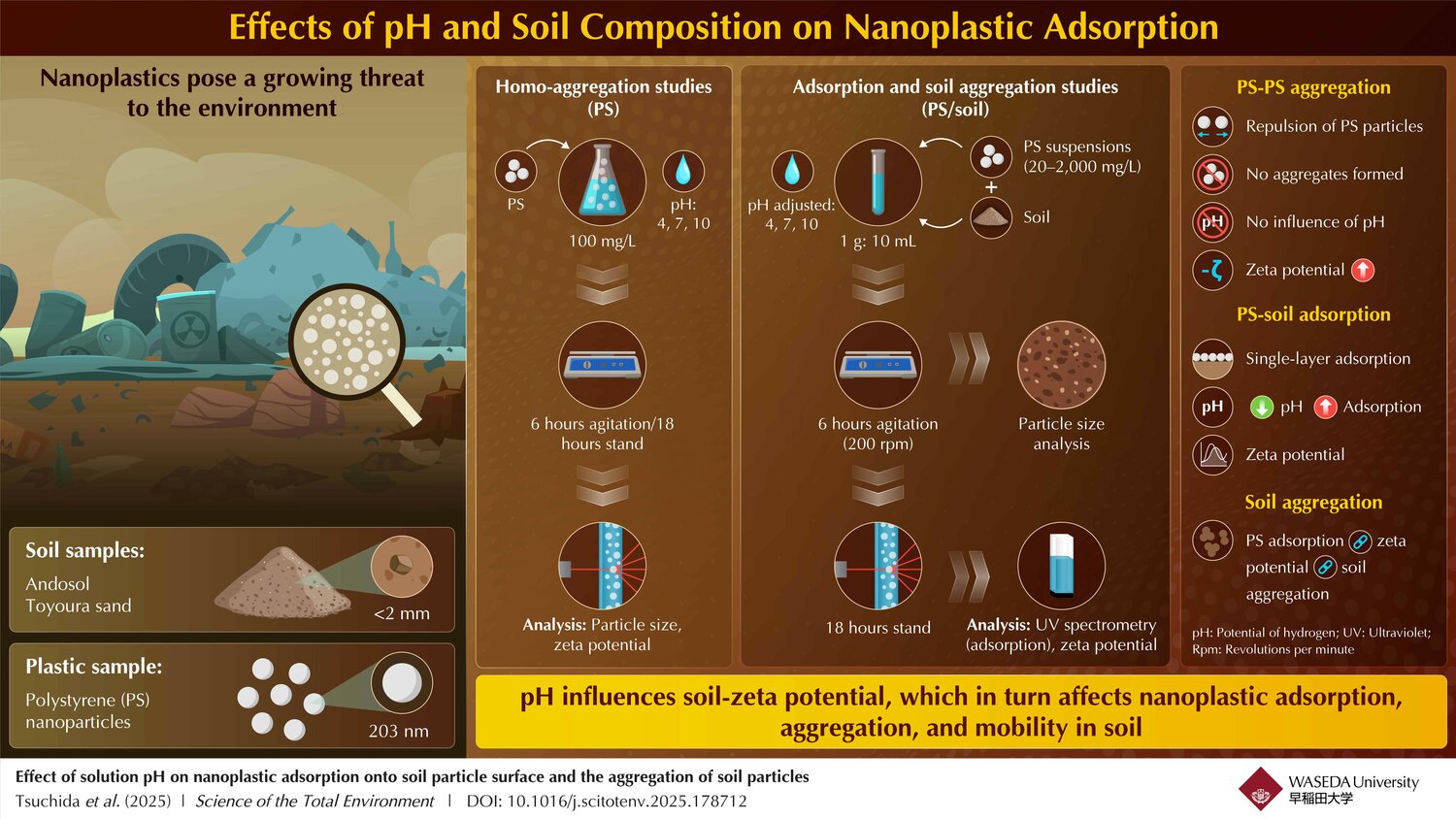
Soil composition and pH play key roles in nanoplastic movement. Findings may guide pollution control and improve remediation strategies.

Goats are helping cities like Pittsburgh and Toronto control invasive plants, reduce herbicide use, and restore ecosystems—naturally and effectively.

A new analysis shows climate models may underplay economic risk by ignoring global weather patterns. GDP losses could be far greater than expected.