

The Chesapeake Bay scored a C in 2025, down 5 points. Long-term trends show improvement, but climate extremes and equity gaps pose new challenges.

David Fotouhi’s Senate-confirmed role as EPA Deputy Administrator is under scrutiny due to past industry ties, raising questions about future environmental regulation.

Mixed-use project in Washington state brings Passive House design, Net Zero performance, and community-focused amenities to the real estate development sector.
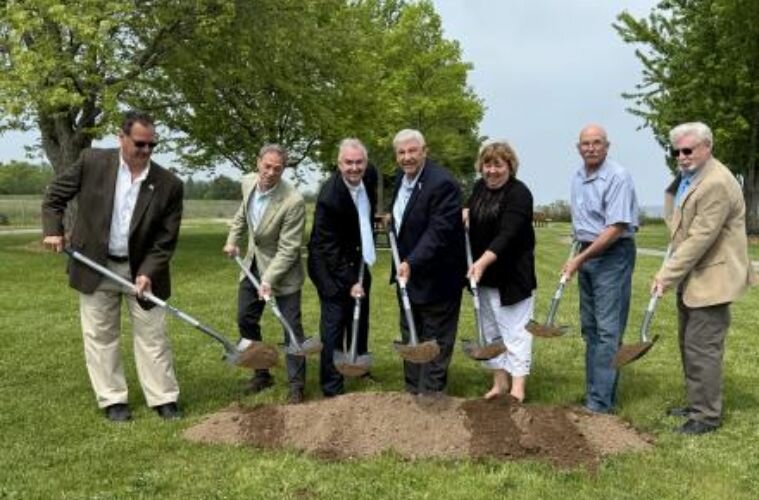
New York invests $13M to protect Lake Ontario, enhance flood resilience, and modernize public sanitation.

Beginning January 1, 2026, Illinois will prohibit the sale of cookware, cosmetics, and more with intentionally added PFAS, under expanded amendments to the PFAS Reduction Act.

Despite the growing body of scientific evidence, the report reveals significant voids in our understanding.

As droughts intensify, new modeling tech shifts water planning from reactive to strategic. It's a smarter way to manage scarcity at scale.

Europe’s forests are under pressure, but siloed monitoring hinders action. A new strategy calls for unity to close data gaps at scale.

A four‑class system for Paris compliance—from Target‑1.5°C to Exceedance‑2°C—simplifies complex climate data into clear, actionable policy metrics.

Environmental concerns and outdated zoning challenge waterfront development in Hudson, New York, prompting calls for stronger industrial oversight.

The increasing severity of flooding in Nigeria is directly linked to rising global temperatures and changing rainfall patterns.

Groundwater depletion in the Colorado River Basin is accelerating, threatening municipal supply, agriculture, and energy infrastructure.
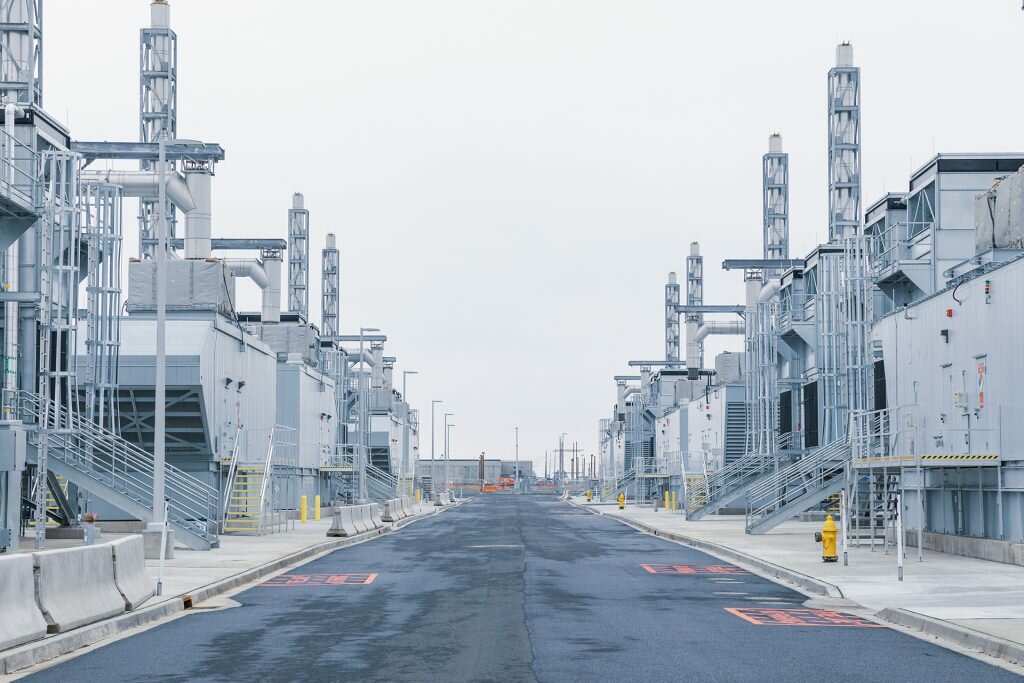
Microsoft cuts operational emissions but struggles with Scope 3, as FY2024 emissions rise. Here’s what it means for tech and climate leadership.

ML-powered climate forecasts drive resilient strategies to combat extreme weather, boost sustainable agriculture, and enhance disaster preparedness.

Songbirds now treat the Corn Belt like a major barrier. New research shows farmland forces flight changes once seen only over oceans.

Paine Schwartz Partners embeds sustainability in food system investments, aligning financial returns with measurable environmental and social impact.

Scaling up carbon removal won’t cut its impact. A new study finds afforestation and ocean-based methods stay effective at larger scales.

A new study reveals how cross-laminated timber (CLT) can play a dual role in reducing greenhouse gas emissions while reshaping forest management—though not without trade-offs for natural forests.

Wildfires are reshaping the carbon market. Forest offsets once seen as safe bets now risk becoming massive carbon sources overnight.

Efforts to replace flood infrastructure in a key Pacific Northwest estuary are colliding with salmon habitat protections—illustrating a broader challenge facing public and private sector landowners alike.