

As Michigan launches a state-level tax credit program for Sustainable Aviation Fuel, U.S. producers expand output—even as federal policy under the Trump administration sends mixed signals.

A new USGS survey reveals 29.4B barrels of oil under U.S. public lands. Modern tech is reshaping what’s considered recoverable.

Signed into law on June 24, 2025, Oregon’s HB2169 creates a coordinated state initiative to expand water reuse projects and remove regulatory barriers.

REEs like lanthanum and cerium share a transport site in algae. This competition may lower toxicity in mixed-metal environments.

Antarctic sea ice in winter caps CO₂ emissions and alters mixing. In low-ice years, more carbon escapes—reshaping global forecasts.

Eco Love, a U.S.-based lifestyle brand, is bringing sustainable household essentials made from bamboo, glass, and stainless steel to market, offering a scalable model for toxin-free, circular design in consumer goods.

Rollback of Clinton-era Roadless Rule would open protected lands like Alaska’s Tongass Forest to logging and development under Trump’s agenda.
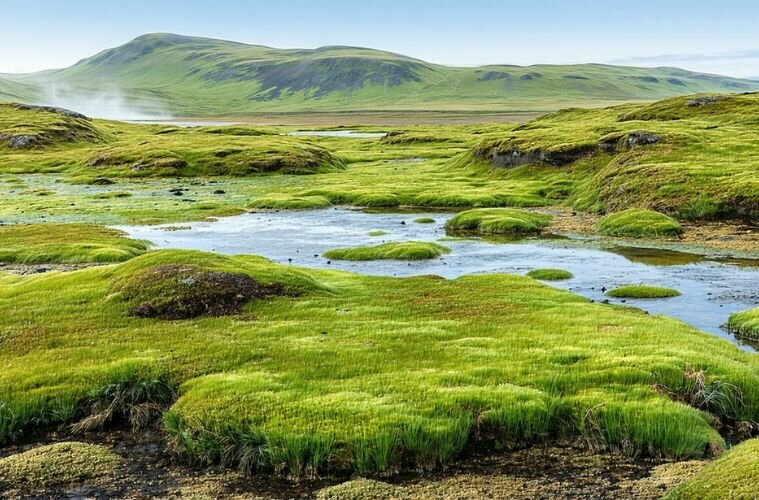
New satellite data shows Arctic peatlands have expanded over the past 40 years due to warming. This shift may strengthen the region’s carbon sink—at least for now.
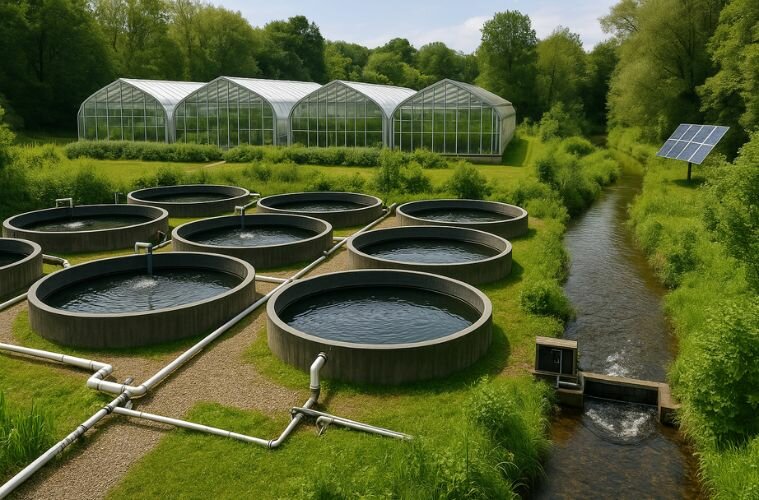
Sustainable freshwater aquaculture offers scalable, low-impact solutions for climate-resilient food systems, says 2025 global policy report.

Cellulose fibers made from crop byproducts could reshape sustainable fashion, using soda pulping to lower emissions and tap existing infrastructure.
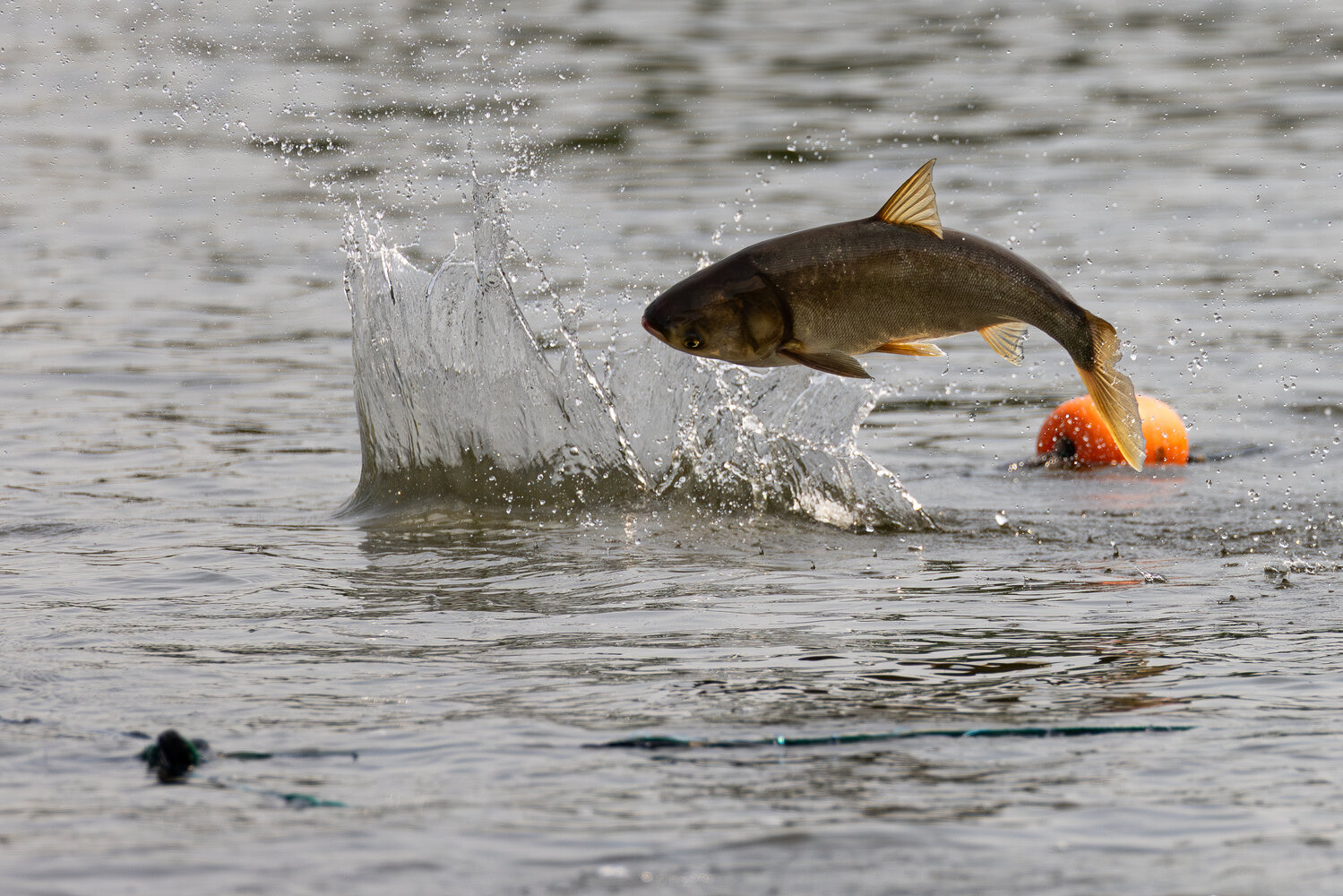
Pet food makers face a protein crunch. Invasive carp could be the fix—nutrient-rich, abundant, and good for ecosystems they disrupt.

The Appalachian Trail Conservancy has launched a $50 million Centennial Campaign to boost climate resilience, conservation, access, and visitor experience along the 2,190-mile trail from Georgia to Maine.

New UMass Amherst dataset helps planners and gardeners select climate-resilient native plants for the Northeast through 2060.

Zalando’s 2025 report shows over 70% of consumers want to shop sustainably, but high prices and low trust keep them from acting on their values.

Ocean chemistry shifts are outpacing current safety limits. Businesses tied to marine supply chains face rising risks without faster climate action.

Trump administration moves to expand energy development in Alaska’s National Petroleum Reserve, proposing 18.5M acres open to oil leasing.

Hawaii will fund a three-year pilot program to test innovative wastewater systems aimed at replacing over 80,000 polluting cesspools impacting water and coral reefs.
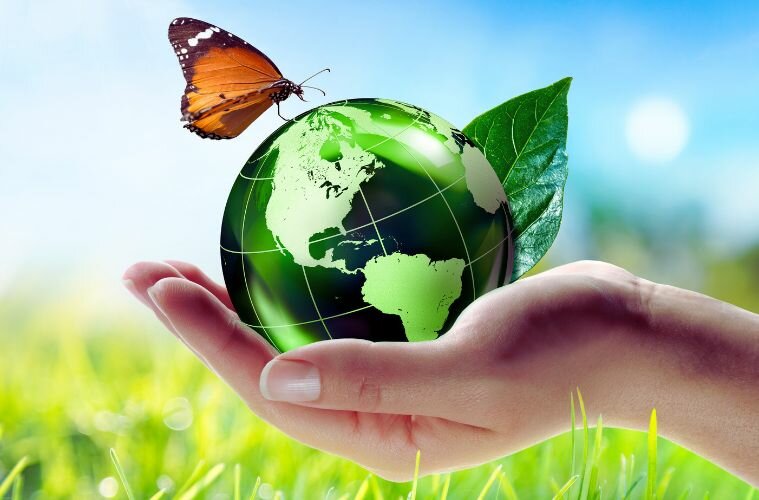
Caledon Central earns Platinum EcoSchools certification for the third year, leading with student activism, green innovation, and community-driven climate action.

Europe’s chip sector is going green. A new $63.8M initiative targets waste, emissions and supply chain risks across the entire semiconductor lifecycle.

U.S. farmers are pairing solar panels with crops to stabilize income. Agrivoltaics keeps land productive while generating clean energy.