

Brooklyn Navy Yard is opening 30 new spots for EV charging. The move supports NYC’s green goals and growing demand for clean transport.
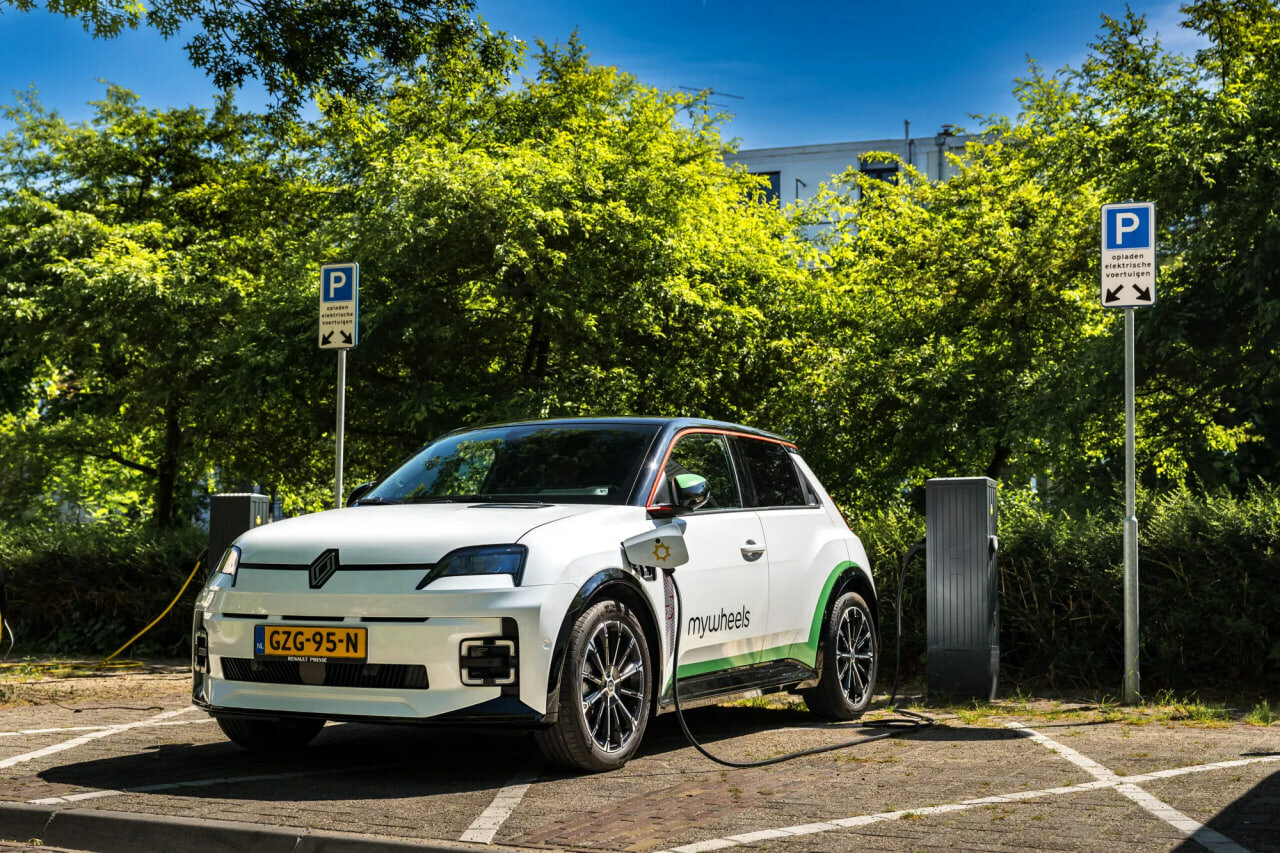
Utrecht’s EVs now double as flexible grid assets. The city’s V2G car-sharing network helps stabilize solar and wind energy across the region.

Without coordinated efforts to scale renewable supply or enhance energy efficiency, the environmental cost of powering AI could continue to escalate

ABB is acquiring power electronics firm BrightLoop to expand its reach in electrified transport. The deal taps rising demand across industries.
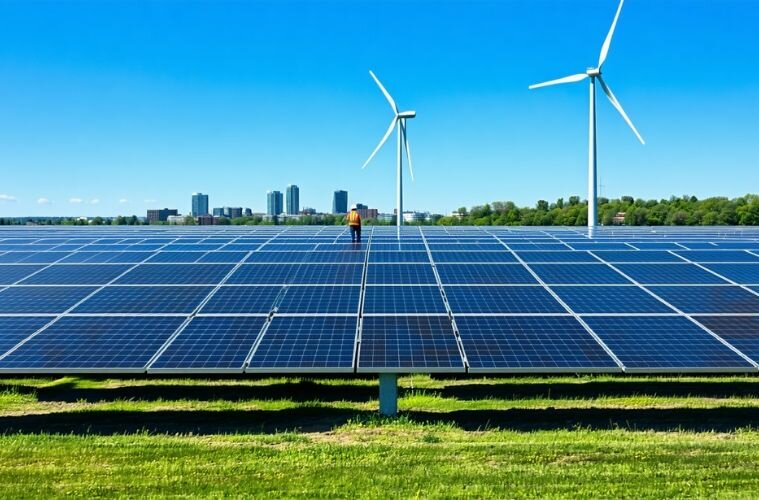
Connecticut HB 5004 lays out multiple renewable energy initiatives designed to advance the state’s decarbonization goals.
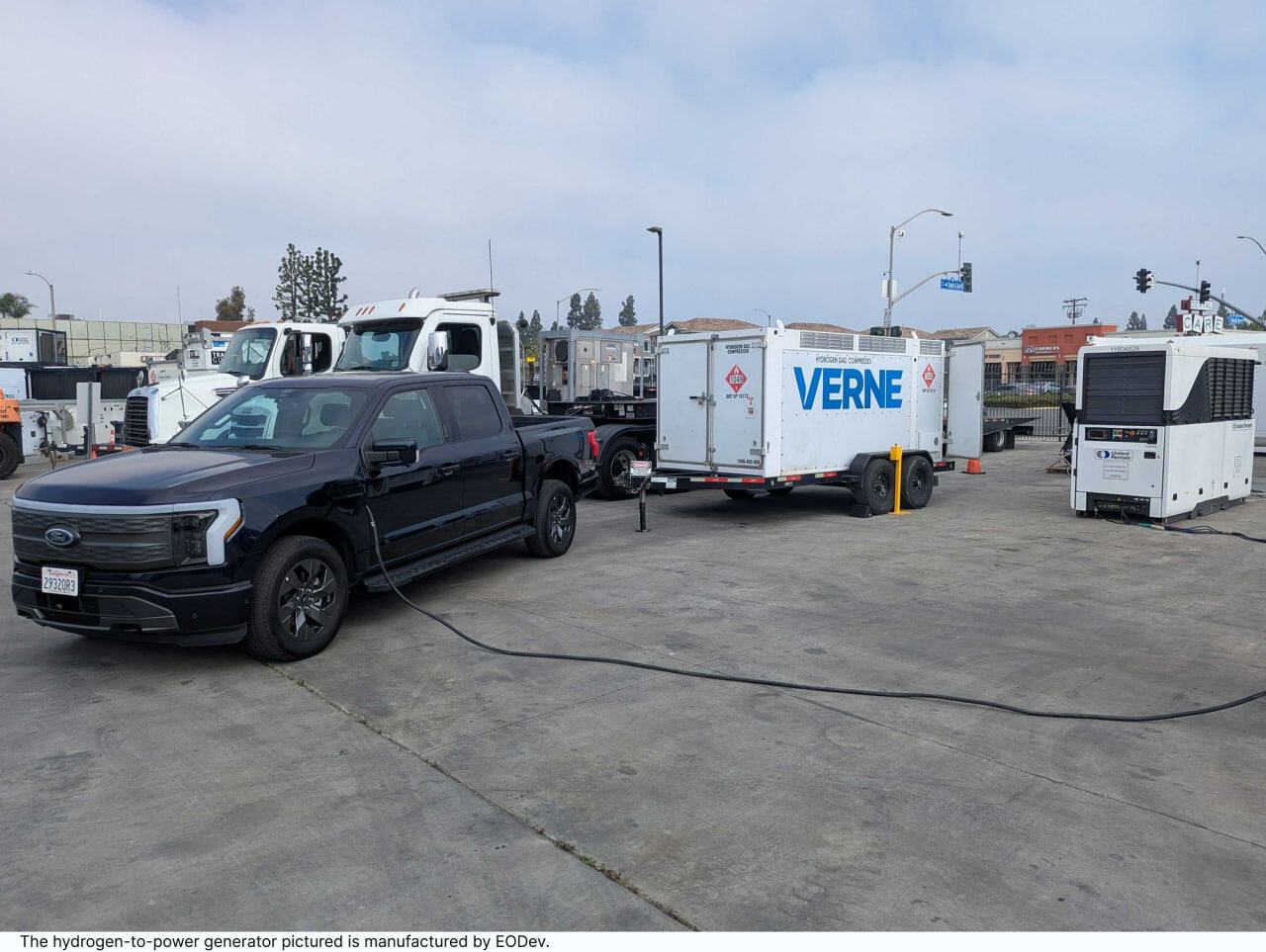
Hydrogen is stepping in where diesel dominated. A new service brings clean, quiet power to job sites, ports, and EV charging hubs.

Ontario’s Bill 40 reshapes energy policy with hydrogen innovation, rate stabilization, and streamlined municipal decisions to fuel economic growth across the province.
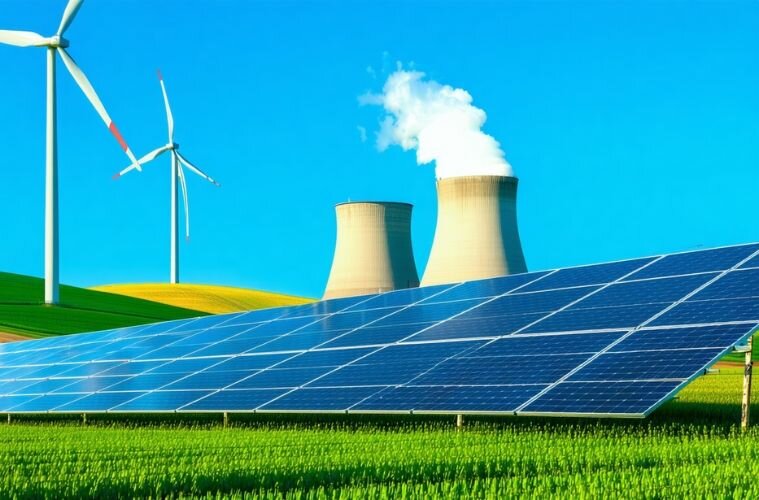
Wisconsin’s Assembly Bill 174, introduced in April 2025, is ushering in widespread changes across the state’s energy landscape.
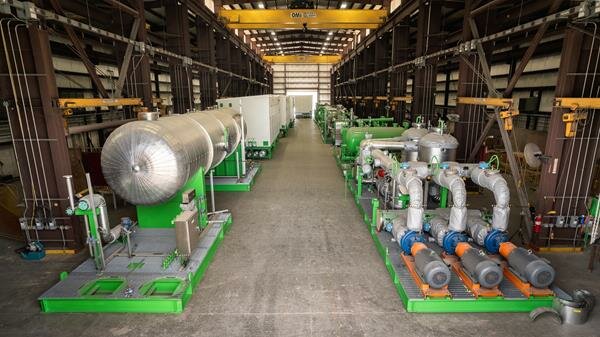
A Texas plant aims to produce low-carbon fuel for aviation and freight. Modular tech cuts cost and speeds up the clean hydrogen rollout.
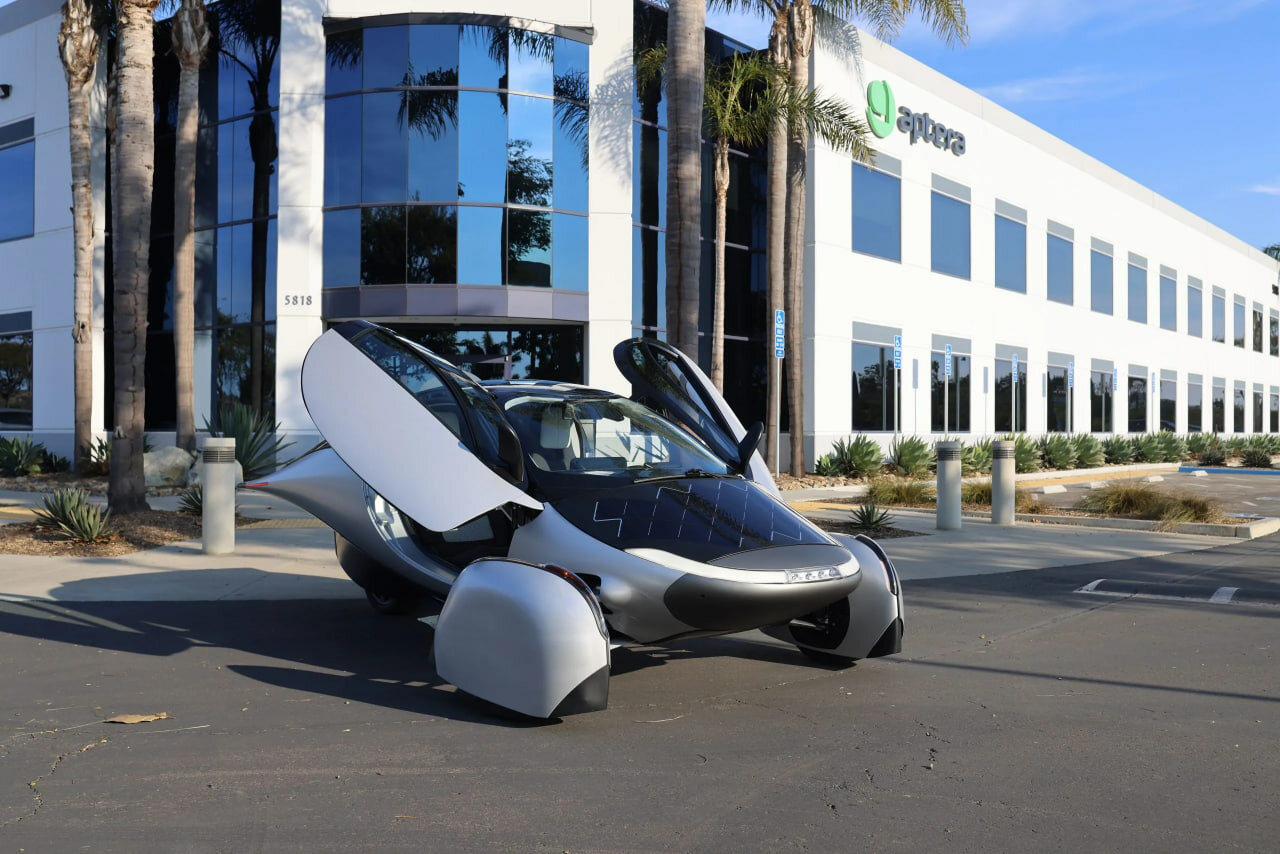
A new EV collab focuses on drivetrain gains, not bigger batteries as Aptera and Inmotive aim to stretch every solar mile even further.

ML-powered climate forecasts drive resilient strategies to combat extreme weather, boost sustainable agriculture, and enhance disaster preparedness.
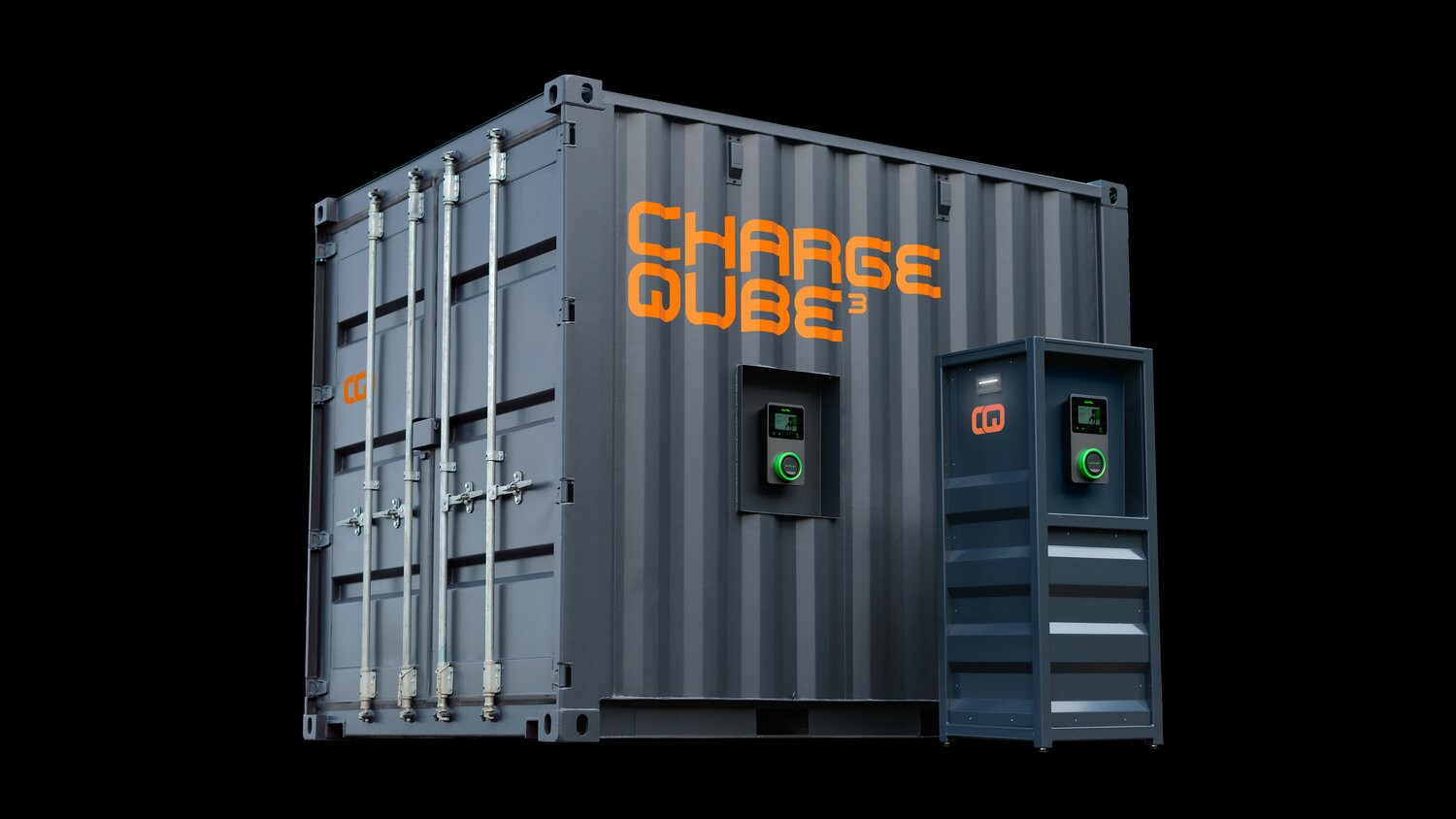
Addressing grid limitations, the Charge Qube delivers flexible EV charging via second-life batteries—supporting clean fleets, remote sites, and low-emission compliance.
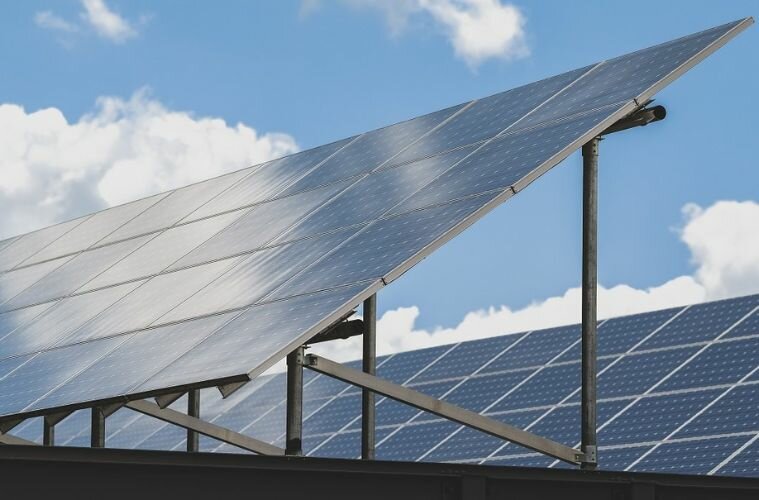
Virginia Tech advances its Climate Action Commitment with a 2.1 MW solar project, reducing emissions and expanding renewable energy education for students.
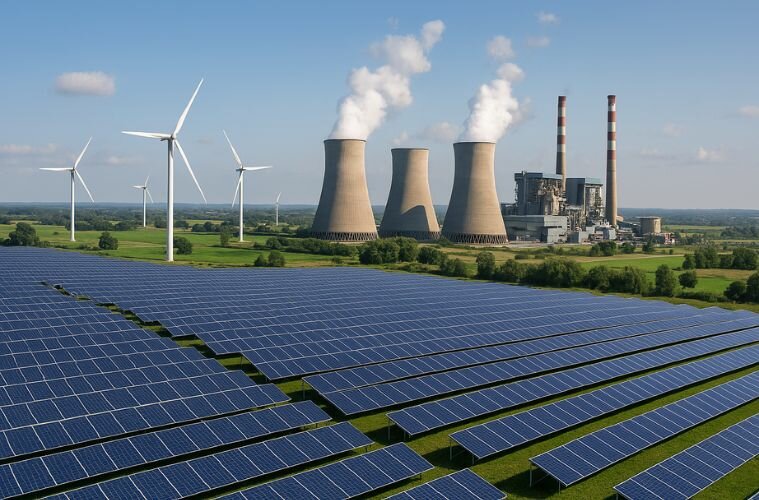
China has become the world’s first "electrostate," shifting from fossil fuels to a fully electrified economy powered by solar, wind, and battery storage. Yet, its continued coal expansion highlights the challenges of balancing growth with decarbonization.

A new DAC project could help reshape the carbon market’s tech future. With validation underway, credits may arrive as soon as summer 2025.
Texas Senate Bill No. 75 reinforces the state’s electric grid by establishing expert oversight and rigorous simulations to set new resilience standards that safeguard healthcare, water, communications, and transportation, ensuring public safety and economic stability.
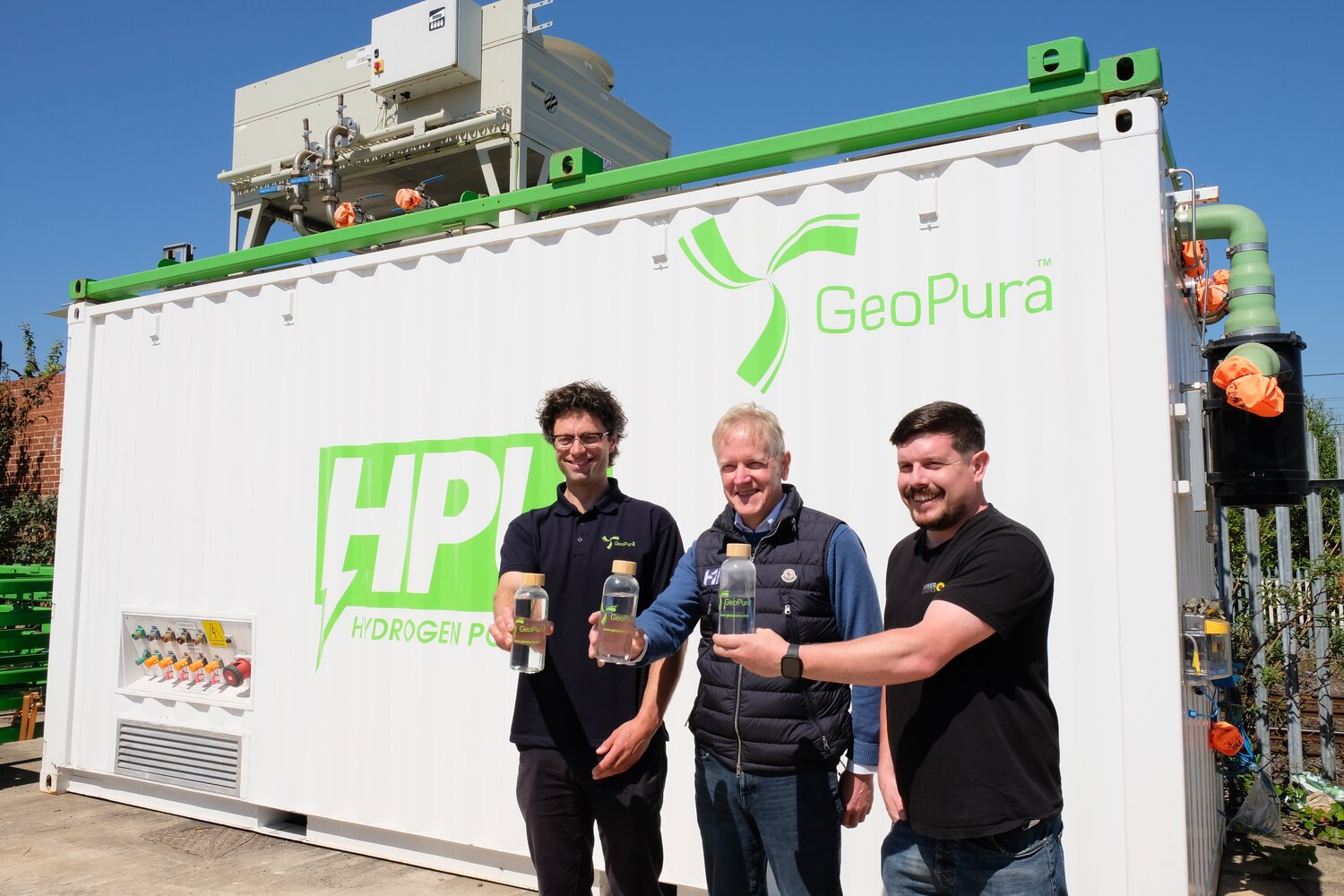
Extreme H just tested a new hydrogen unit with major power gains. The tech could fuel everything from races to remote live events.
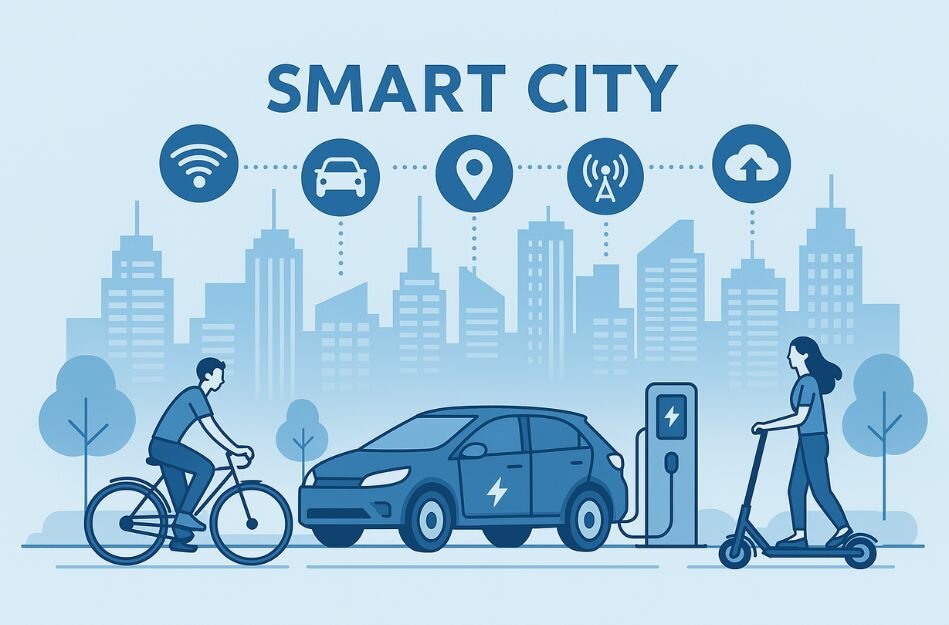
Micromobility Fire Safety Standards Act of 2025: Ensuring safe e-bike and e-scooter use in D.C. by requiring UL-certified batteries to prevent fire risks.
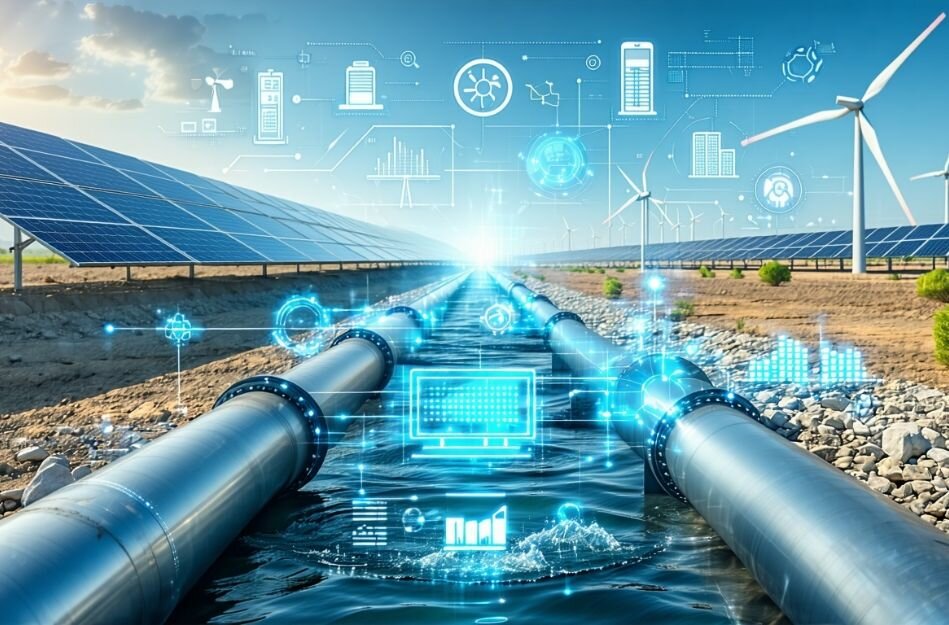
Explore Governor Newsom’s initiatives to modernize California’s infrastructure, from expediting the Delta Conveyance Project to record-breaking growth in battery storage capacity.
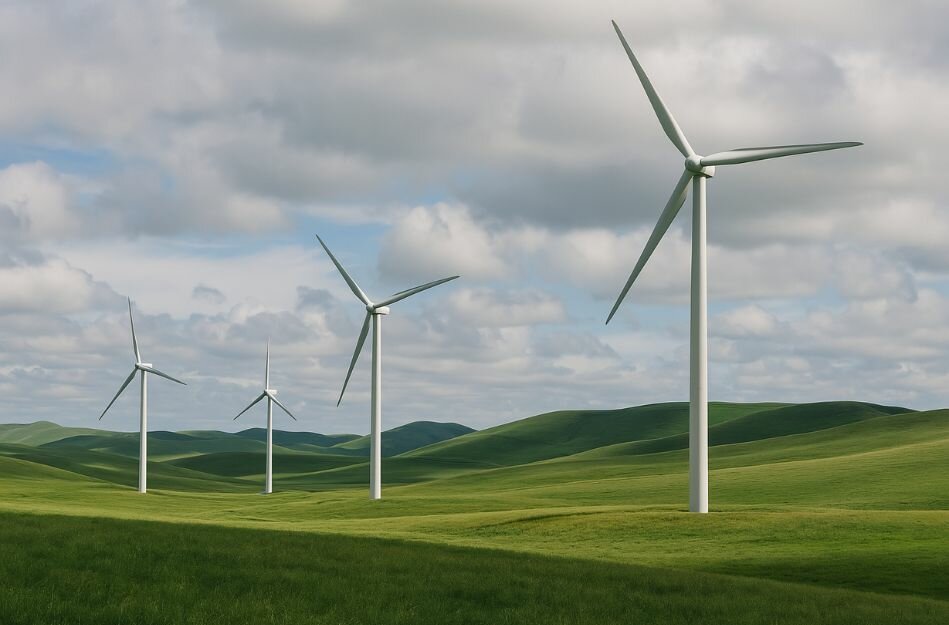
Oregon is shifting its wind energy regulations, raising the site certificate threshold from 50 MW to 100 MW. How will this impact developers and local permitting?