
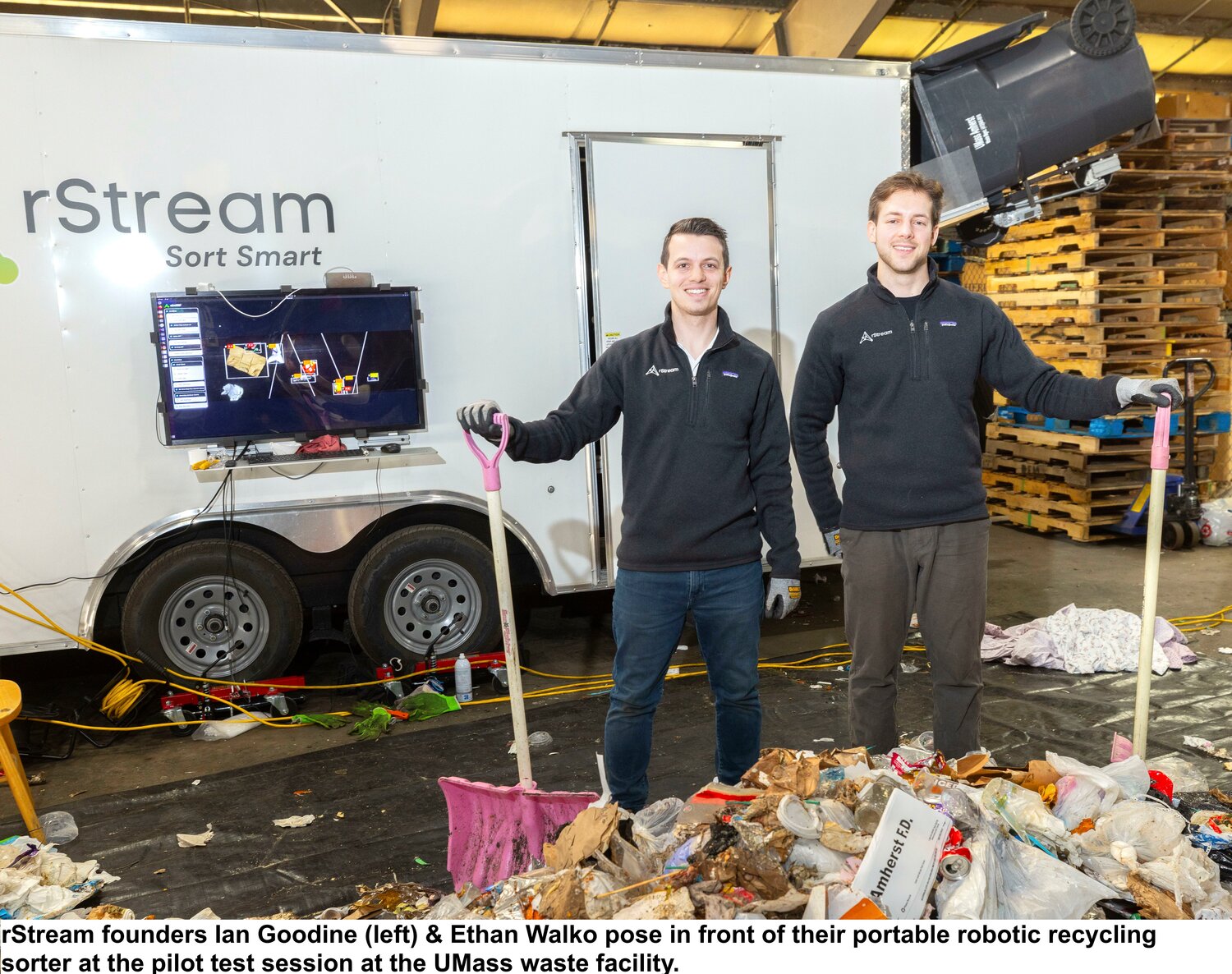
UMass Amherst is testing an AI-powered system that sorts waste in real time. The goal: reduce landfill use and improve recycling accuracy.
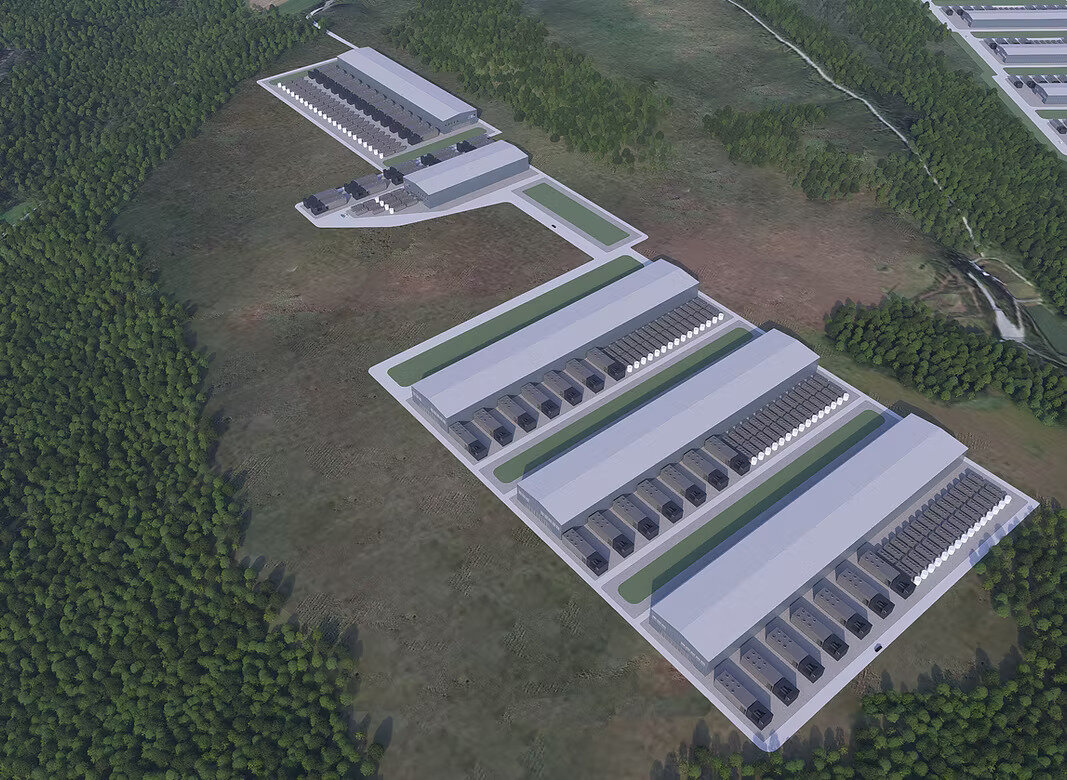
Pittsburgh is converting a former coal plant into a 4.5 GW data center. The gas-fueled site will support AI and high-performance computing.
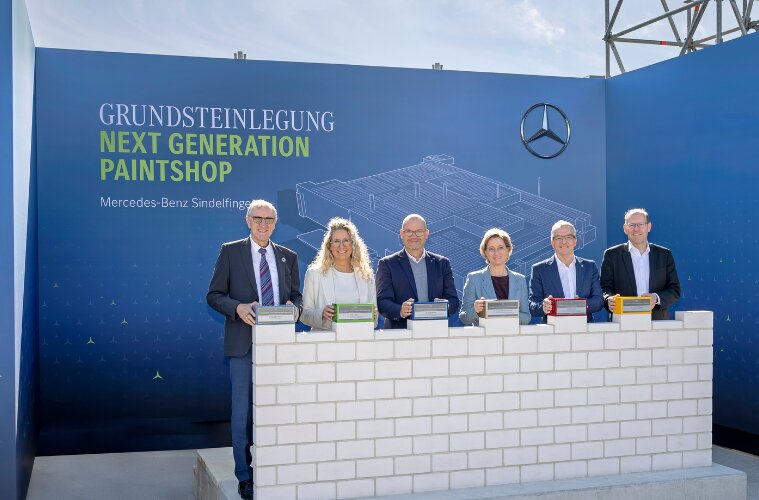
New Sindelfingen Facility Slashes Energy Use, Emissions, and Water Consumption While Enhancing Digital Integration

Milford Mining is investing $100M to expand copper operations in Utah. The move supports U.S. mineral supply goals and clean energy growth.

Effective response requires alignment across sustainability, supply chain, compliance, and executive leadership.
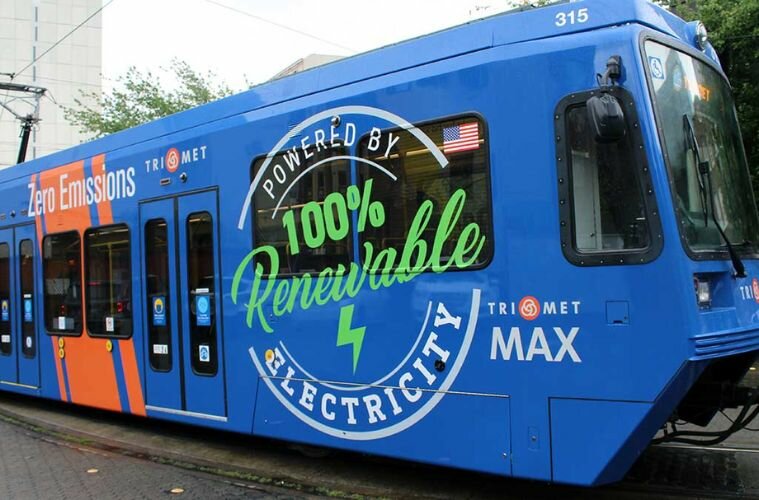
The Smart SW 185th Avenue ITS and Better Bus Project in Hillsboro, Oregon, proposes AI-integrated signals to ease traffic congestion, improve transit service, and enhance pedestrian safety near a busy MAX light rail crossing.
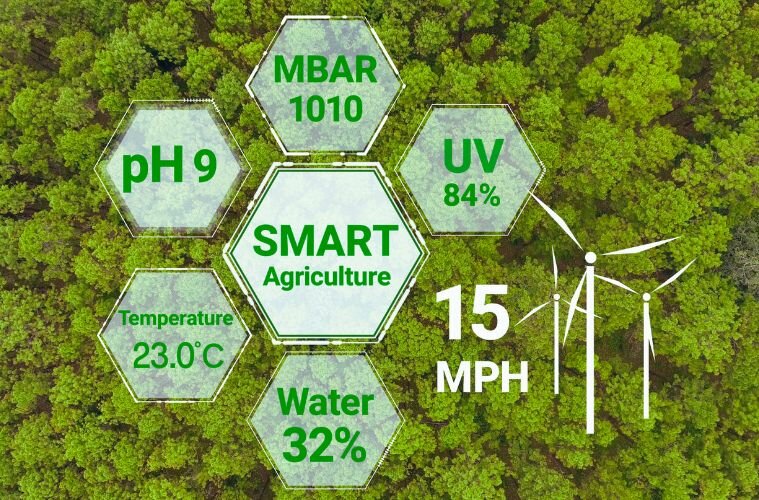
Learn how Bayesian probabilistic models improve agricultural planning, resource efficiency, and food security through real-time data and historical insights.
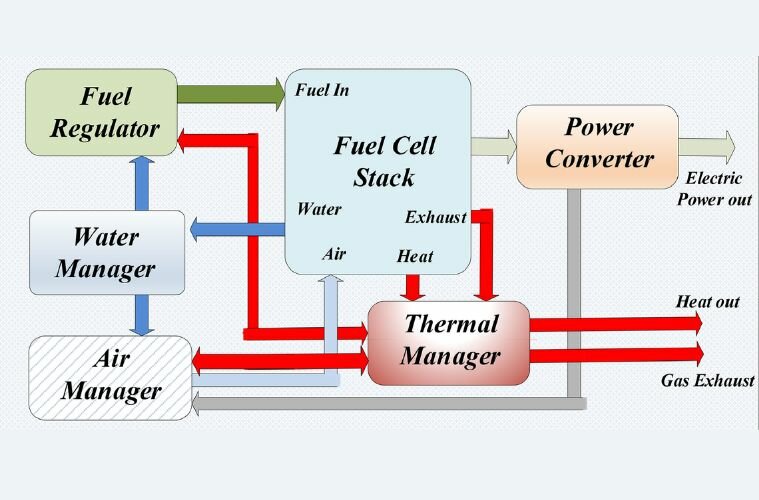
Fuel cells cut CO2 emissions by up to 40% and boost grid efficiency by 30%, making them essential for resilient, off-grid power in a decarbonizing world.

The early onset and concentration of severe weather systems in March 2025 are unusual, raising concerns about future flood risk management and climate resilience strategies.
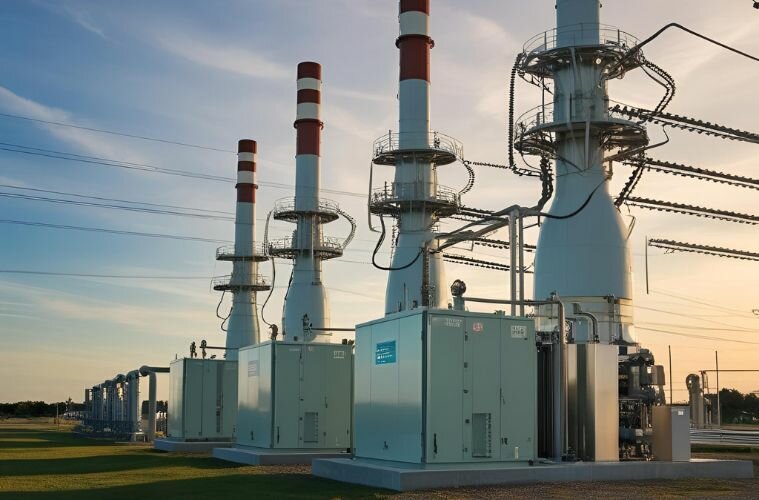
Energy storage operators face new compliance rules in California, with GO 167-C requiring logbooks, emergency plans, and safety incident reporting.

Fires near suburbs cause 3x more deaths per emission than wildfires—posing a hidden, rising threat to air quality and public health.

Real-time data helps facilities reduce waste, optimize staffing, and keep spaces stocked without unnecessary effort.

The Center will support mass cultivation, commercialization, and safety assessments for cell-cultured foods.
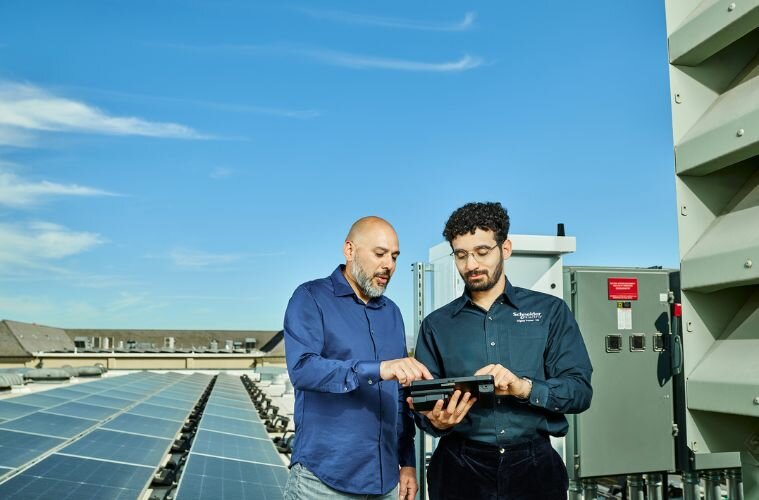
By implementing a microgrid that combines solar power, battery storage, and backup generation, the winery ensures uninterrupted operations while drastically cutting carbon emissions.

This initiative sets a precedent for scaling data centers without compromising sustainability goals by leveraging behind-the-meter energy strategies, natural gas efficiency, and carbon capture technology.
AI-driven power demand, nuclear revival, hydrogen breakthroughs, and energy shifts—February 2025’s top 10 stories reveal the future of energy tech.
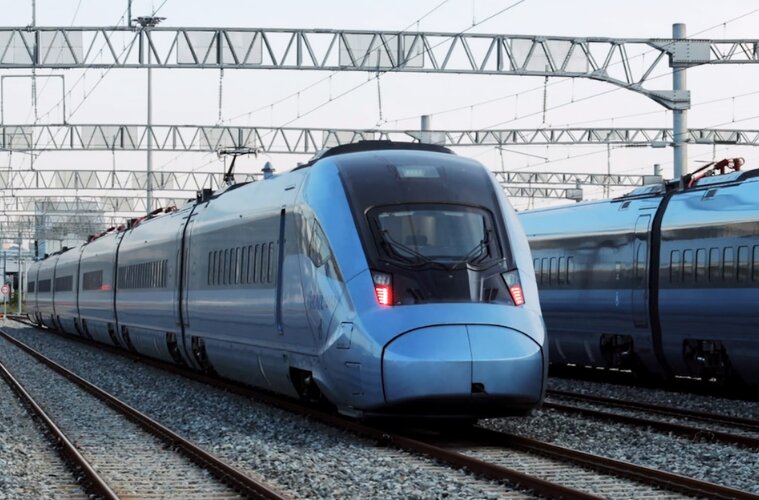
As part of its commitment to sustainability, Hyundai Rotem is actively developing hydrogen-powered trains and fuel cell trams, aligning with global carbon neutrality goals.
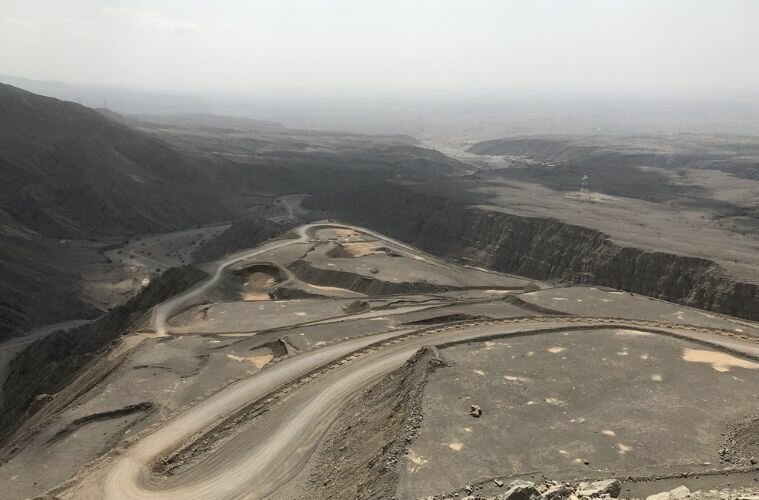
The partnership will focus on exploring high-impact projects and investments in pivotal regions such as Africa, North America, and Central Asia.

Projected at $9.3B by 2030 with a 4.6% CAGR, the environmental testing market faces uncertainty as Trump’s rollbacks shift compliance and industry testing needs.
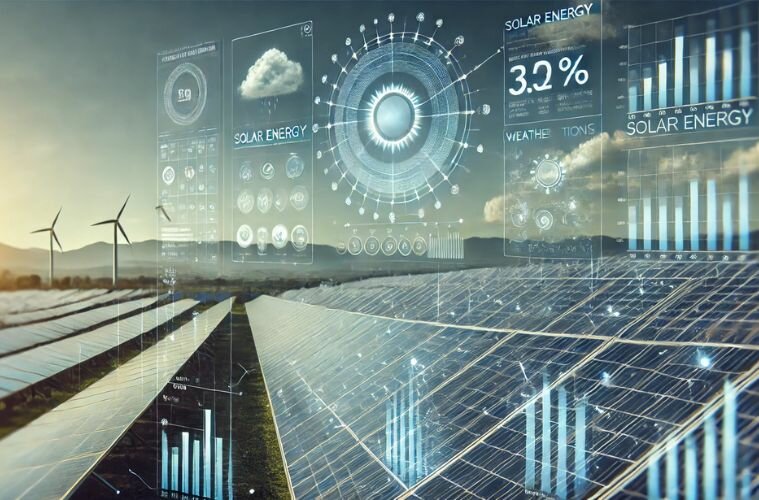
New research suggests that advanced post-processing techniques and machine learning models could revolutionize how solar power is predicted.