

Research shows that precisely timed cattle grazing can help manage cheatgrass infestations in the western U.S., reducing wildfire risks and boosting livestock performance.

With Munch's Surprise Packages, users save on food while retailers turn unsold products into revenue, reducing waste and promoting sustainability.

A new study has revealed that earthworms are likely the primary source of high PFAS levels found in eggs from backyard chickens near a chemical plant in the Netherlands. The findings, which have prompted a nationwide investigation, challenge previous assumptions about the source of PFAS contamination in local food production.
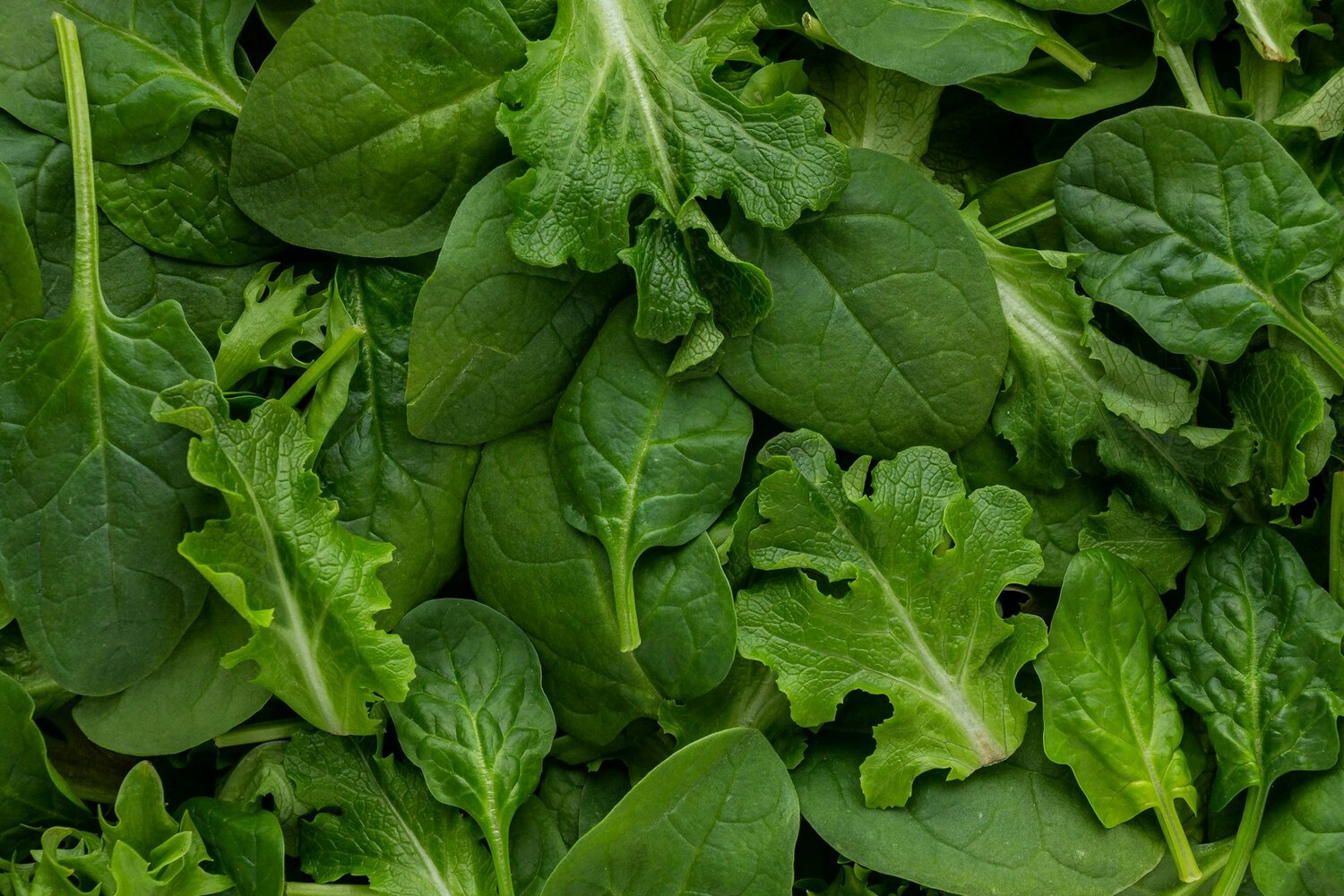
Scientists have successfully engineered plants to produce essential nutrients typically found only in animal-based foods using synthetic biology techniques.
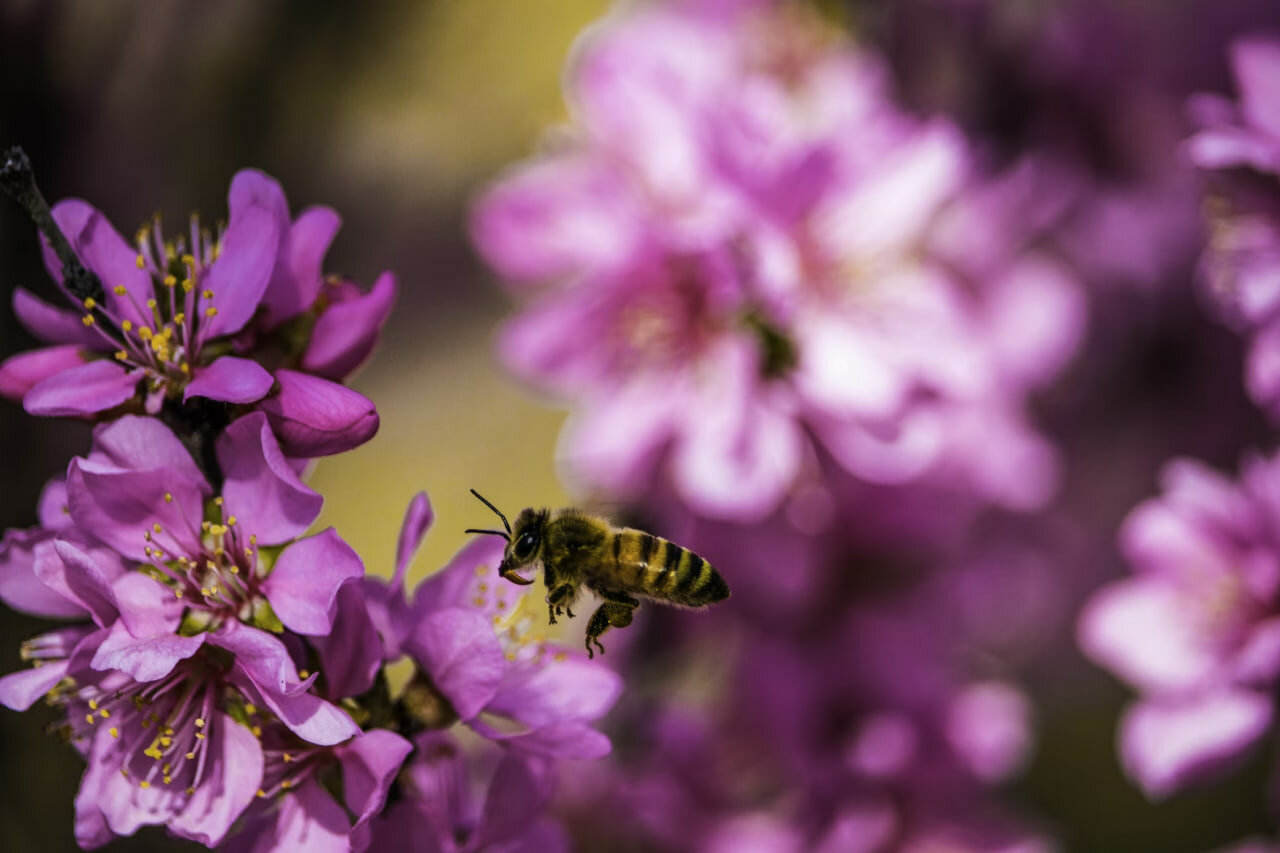
A recent study reveals that soil bacteria play a crucial role in enhancing flower attractiveness to pollinators, particularly in nutrient-poor environments. This discovery challenges conventional wisdom about soil management and opens new avenues for sustainable agriculture and ecosystem conservation.
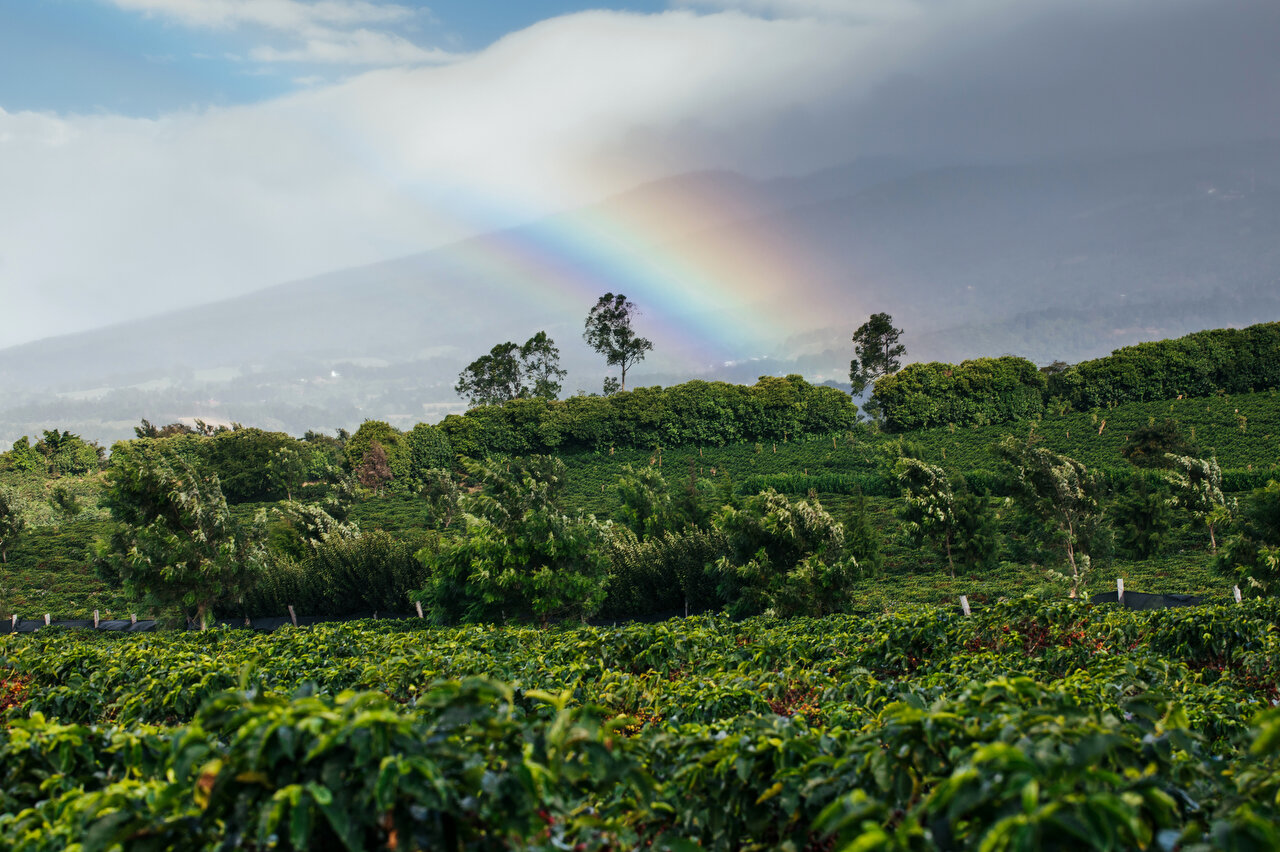
Company invests in new farms in Guatemala and Costa Rica with future plans in Africa and Asia to boost coffee productivity, profitability, and climate resilience.

While 1.9 million acres were lost to cropland in 2022, this marks an improvement from the previous decade's average, highlighting the potential for positive change through collaborative efforts between policymakers, conservationists, and businesses.

Researchers have laid out a blueprint for enhancing food security across Sub-Saharan Africa, leveraging the region's inherent strengths to overcome persistent challenges.

The latest Big Butterfly Count reveals a worrying trend: butterfly numbers have plummeted to their lowest on record, with habitat loss, extreme weather, and intensive land management cited as key drivers of this decline.
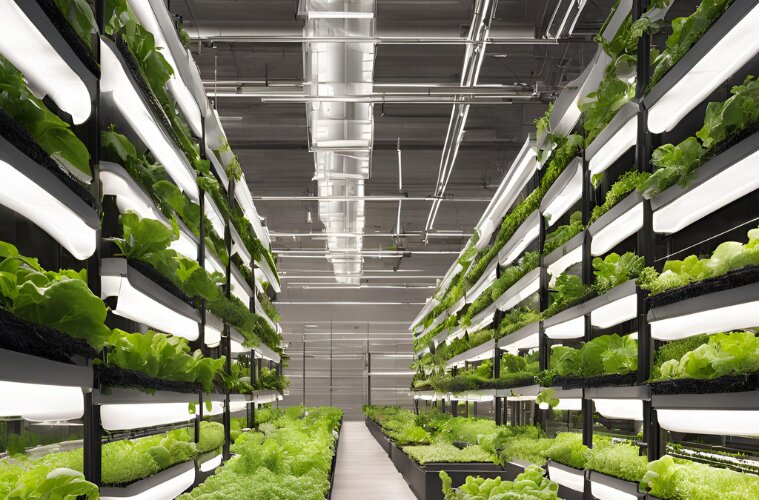
As cities continue to grow, integrating Agriculture 4.0 into urban environments will be essential for meeting the food demands of an expanding population while supporting the development of greener, more resilient urban systems.
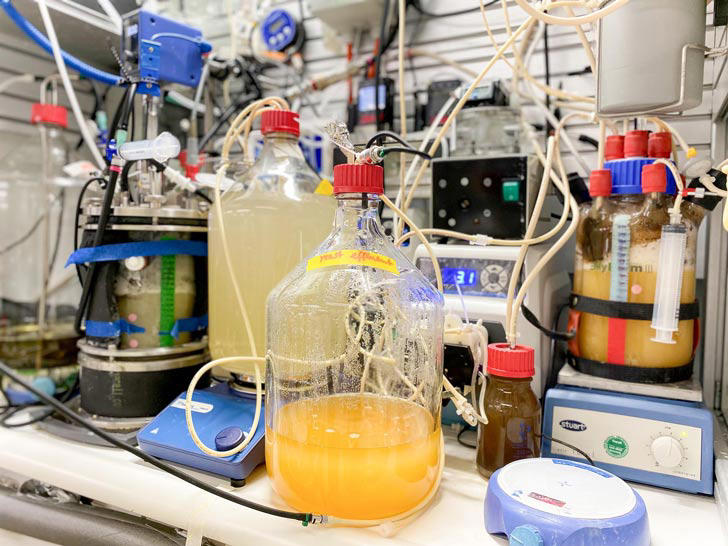
In a world grappling with rising carbon emissions and malnutrition, scientists have unveiled a groundbreaking method to produce vitamin B9, or folate, using renewable energy and CO2. This cutting-edge approach provides a sustainable source of essential nutrients and reduces traditional food production's environmental footprint.

The U.S. Environmental Protection Agency has awarded $3.2 million in research grants to Texas A&M University and Texas Tech University to investigate PFAS contamination in agriculture. These studies will focus on understanding how PFAS chemicals accumulate in crops and livestock and explore innovative strategies for reducing exposure, ensuring the sustainability and health of farming communities nationwide.